Ancient Roman Sex Work: Prostitution, Power, and Pleasure in Rome
When we talk about ancient Roman sex work, the organized, visible, and legally regulated trade of sexual services in ancient Rome. Also known as Roman prostitution, it wasn't hidden or shameful—it was part of the city's economy, social structure, and even religious life. Unlike today’s debates around legality and morality, Rome treated sex work as a public utility. Prostitutes—called meretrices—worked openly in brothels (lupanaria), on street corners, and even in taverns. Many were slaves, war captives, or freedwomen with few other options. But some ran their own businesses, paid taxes, and even owned property.
Sex work in Rome didn’t exist in a vacuum. It connected to Roman brothels, small, often grim stone buildings with numbered cubicles, found in every major city and along major roads. Also known as lupanaria, these spaces were marked by graffiti, erotic murals, and prices carved into the walls. The famous Lupanar in Pompeii had 10 rooms, each with a crude bed and a painted scene above the doorway. These weren’t just for pleasure—they were advertisements. Clients didn’t need to ask what was available; they just picked a number. And the women? Some left messages behind—like one woman who wrote, "I am a good girl, and I don’t cheat." Others recorded debts, complaints, or even their names. These aren’t just archaeological finds—they’re voices from the margins of history.
Roman sexuality, a system where desire was fluid, power defined consent, and social status mattered more than gender. Also known as class-based sexual norms, it didn’t punish same-sex acts or commercial sex—it punished crossing lines of rank. A free Roman man sleeping with a prostitute, a slave, or even a male adolescent wasn’t seen as immoral. But if he let himself be penetrated? That was a scandal. Sex wasn’t about identity—it was about dominance. And while elite men could hire sex workers without shame, poor women who sold sex were often branded as morally corrupt, even if they were just surviving. This double standard lasted for centuries.
What you’ll find in the posts below isn’t just a list of old facts. It’s the real, messy, human story behind the stone walls and painted rooms. You’ll see how Roman sex work tied into broader systems of power, how it mirrored modern debates about labor and autonomy, and how its echoes still appear in today’s legal and cultural battles over sex work. These aren’t ancient relics—they’re mirrors.
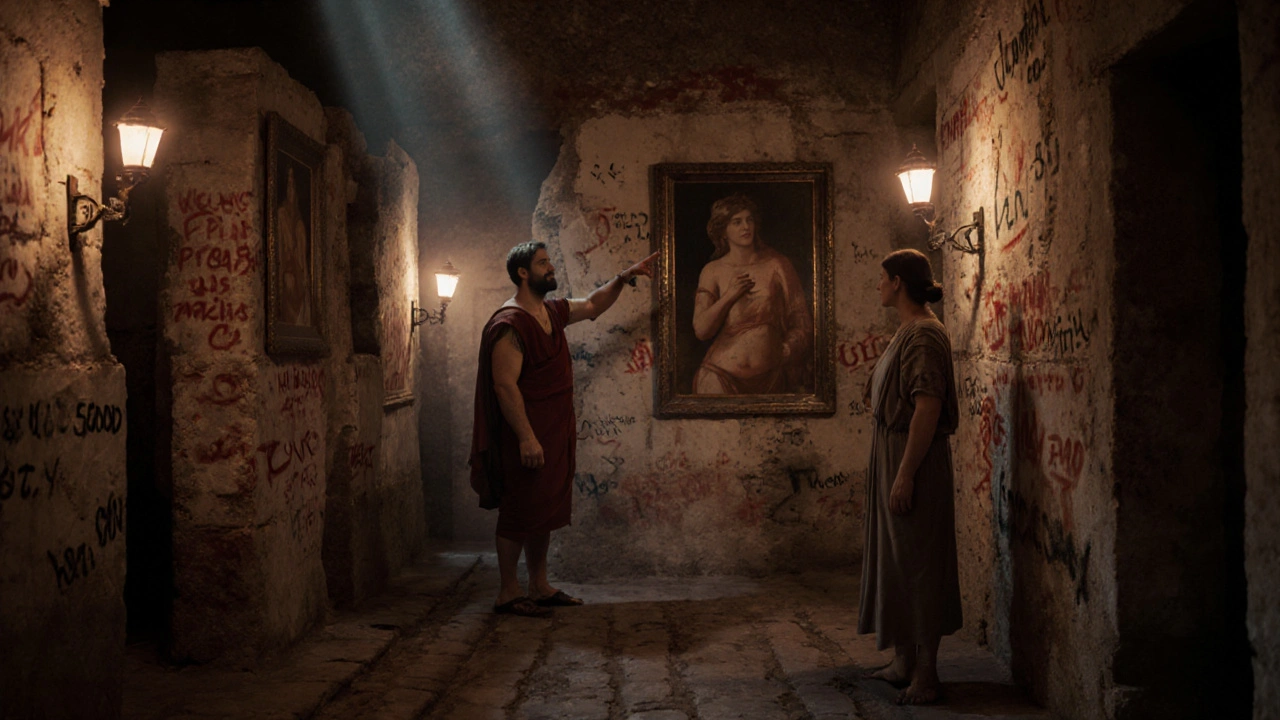
Roman Sex Work Categories: Meretrices, Lupae, and Tabernae Differentiation
Oct 28 2025 / History & CultureRoman sex work was legal, taxed, and strictly categorized. Meretrices were registered workers with limited rights, lupae were unregistered street workers with no protection, and tabernae were the brothels where it all happened. This system reflected Rome’s complex views on gender, class, and power.
VIEW MORE