Roman Sex Work Cost Calculator
Understand the true cost of Roman sex work
Based on historical records from Pompeii and Roman economic documents, this calculator shows how much a worker would need to earn to afford services from different categories of Roman sex workers.
Cost Breakdown
Historical Context: A basic encounter cost 2 asses in Pompeii, which was about 1/8 of a laborer's daily wage (16 asses). Elite courtesans charged up to 10,000 sesterces ($100 denarii), which was more than two years' wages for a laborer.
Key Insight: Registered meretrices had legal protection but lost citizenship rights. Unregistered lupae had no legal protection but also paid no taxes. The economic reality was stark: a single encounter with a top courtesan could cost a worker half their weekly pay.
When you think of ancient Rome, you might picture senators in togas, gladiators in the Colosseum, or marble statues of gods. But behind the grand architecture and political drama was a very real, very regulated world of sex work - one that was legal, taxed, and deeply woven into the fabric of daily life. Unlike today’s taboos, Roman society didn’t hide prostitution. It named it, classified it, and put it on the books. And the differences between the women who worked in it weren’t just about price - they were about status, law, and survival.
Meretrices: The Registered Professionals
Meretrices were the only Roman sex workers with official status. These were women who registered with the city’s aediles, the officials who managed public order and markets. In return for paying a fee and listing their name, pseudonym, and price, they got a license - the licentia stupri. But this wasn’t a badge of honor. It was a legal trap. Once registered, a meretrix lost her citizenship rights. She couldn’t sue anyone in court. She couldn’t testify against a powerful man. If she was raped, the law didn’t protect her. Her name was permanently recorded in public registers. No erasing it. No hiding it. This was the cost of being legal. They didn’t all work in brothels. Some ran their own businesses from rented rooms or even from their homes. The best ones - the delicatae - were elite courtesans. These women often came from respectable families, sometimes even patrician ones, but had fallen on hard times or chosen a different path. They dressed well, spoke Latin fluently, and moved in circles where senators and wealthy merchants gathered. Their services could cost up to 10,000 sesterces - that’s more than two years’ wages for a laborer. Graffiti from Pompeii’s brothel shows their prices: 2 asses for a basic encounter, 4 asses for something more, and up to 16 asses for the top-tier workers. That might sound cheap, but remember: a laborer earned about 16 asses a day. So one night with a meretrix could cost a worker half their weekly pay.Lupae: The Streetwalkers and the Unregistered
While meretrices had paperwork, lupae had nothing. The word means “she-wolves,” and it wasn’t a compliment. These women worked the streets, alleys, and back corners of Rome. No registration. No protection. No tax records. Just survival. They were often poor, sometimes enslaved, and almost always invisible to the law. If a pimp abused them, there was no recourse. If a client refused to pay, they couldn’t take him to court. They were classified as infames - people stripped of social standing - alongside actors and gladiators. Their clothing was rough. Some wore straw belts to mark their trade. Others wore nothing that resembled respectable Roman dress. Their prices? One or two asses per encounter. That’s roughly one-tenth of what a registered meretrix charged. They worked fast, in the dark, under the threat of arrest or violence. Unlike meretrices, they didn’t pay the imperial sex tax. That’s because they weren’t on the books. They were the underground economy - the ones the state ignored until they became a nuisance. Historians estimate that lupae made up the majority of sex workers in Rome. For every registered woman, there were probably three or four unregistered ones. They were the ones who vanished from history - no inscriptions, no graffiti, no names. Just numbers in the margins of Roman life.Tabernae and Lupanaria: Where the Work Happened
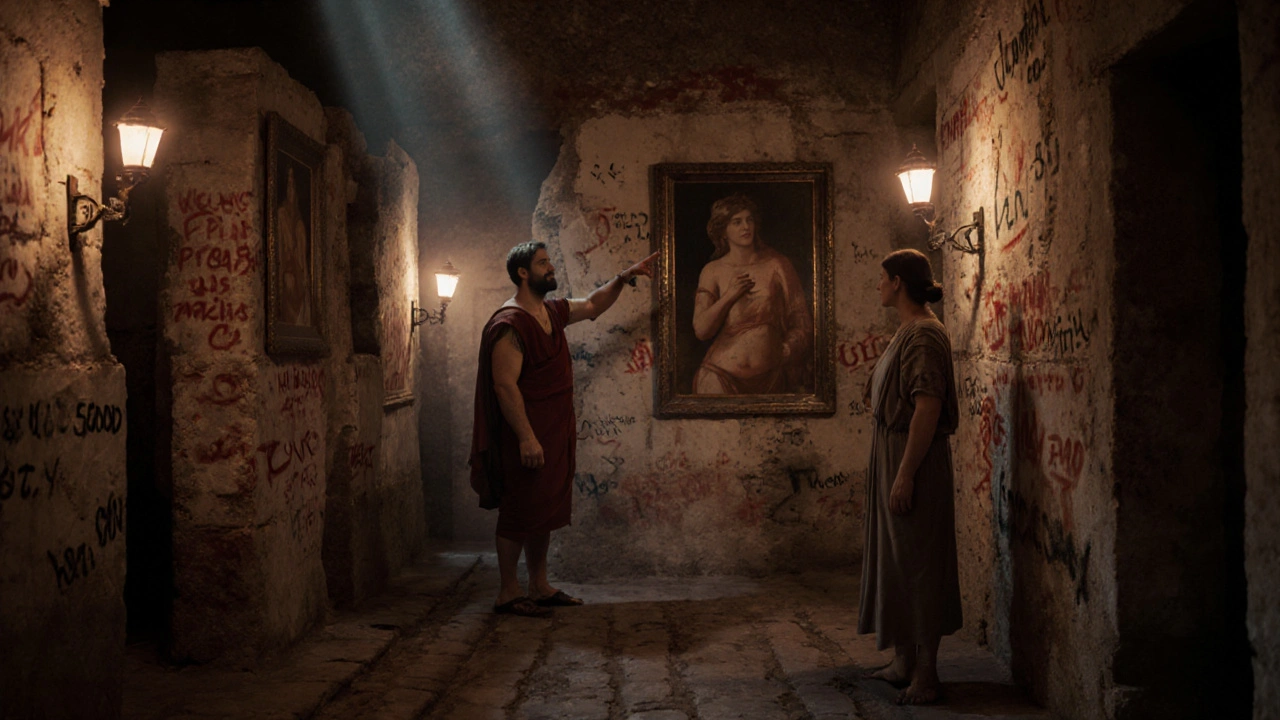
Sex work didn’t happen in secret. It happened in plain sight - in places called tabernae meretriciae - literally, “prostitute’s cots.” These weren’t always fancy. Most were just small rooms in bars, bathhouses, or rented apartments. Only one purpose-built brothel has been found intact: the Lupanar in Pompeii. The Lupanar was a two-story building with ten tiny rooms, each with a stone bed and erotic frescoes on the walls. The frescoes weren’t just decoration - they were a menu. Each painting showed a different position, so clients could point and choose. Graffiti on the walls listed prices, names, and even reviews: “Crescens is good with his hands,” one wrote. Another: “Felix charges too much.” The rooms weren’t equal. Corner rooms cost more. Women who rented them paid up to 300% more in rent. That’s because those rooms had better lighting, more privacy, and were easier to access. The women who worked there had to be the most desirable - or the most desperate. Most brothels weren’t like the Lupanar. They were tucked into other buildings. A bar might have a back room. A bathhouse might have a hidden stairway. Archaeologists found evidence that 85% of Roman sex work happened in these mixed-use spaces. The state didn’t care as long as the women were registered and paying taxes.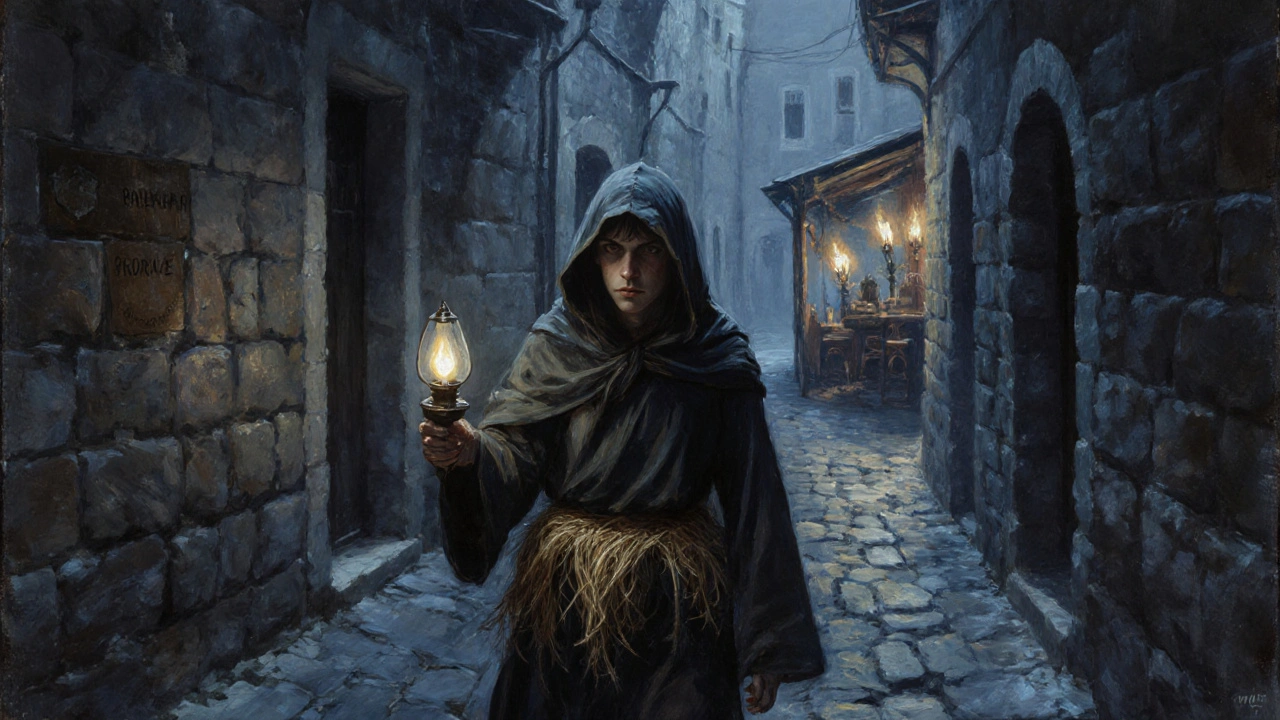
The Tax That Shaped the Industry
In 38 CE, Emperor Caligula introduced the first official sex tax. Registered meretrices paid 1% of their earnings. Pimps - lenones - paid 4%. This wasn’t just about revenue. It was about control. The state wanted to track who was doing what, where, and for how much. The money flowed into the imperial treasury - until Emperor Alexander Severus got tired of it. In the 220s CE, he redirected the funds to public building maintenance. “It’s dirty money,” he reportedly said. So instead of funding the army or the emperor’s palace, it went to repairing aqueducts and roads. The tax stayed - but the stigma didn’t. By 390 CE, Emperor Theodosius I abolished the tax entirely. Christianity was rising. Public morality was changing. But prostitution? It stayed legal. The state didn’t ban it. It just stopped taxing it. The women who worked in it? They were still infames. Still unprotected. Still invisible.Who Were These Women? The Real Lives Behind the Labels
Most meretrices weren’t free agents. They were former slaves, or daughters of poor families who had no other way to survive. A 2017 study by Rebecca Futo Kennedy found that 78% of registered sex workers came from households earning below subsistence levels. Registration wasn’t a choice - it was a last resort. Some women managed to climb out. A few inscriptions record former meretrices who became wealthy patrons, funding public fountains or temples. Julia Procilla, for example, left money in her will to build a public bench. But these were rare. Less than 1% of women in the trade ever escaped its shadow. Then there were the lowest of the low: the bustuarie, or graveyard prostitutes. They worked among tombs, dressed in tattered clothes, pale and gaunt, to appeal to clients with necrophilic fantasies. Their price? One or two asses. Same as the lupae. But their stigma was worse. Even male sex workers existed - called scorta. But Roman society had a strict rule: a freeborn Roman man could never be penetrated. So male prostitution was mostly for slaves, foreigners, or those without citizenship. It was a different world, with different rules.
The Myth of the Voluntary Prostitute
Some modern writers paint Roman sex work as a kind of early entrepreneurship. “Look,” they say, “these women had economic power. They earned more than most women.” That’s misleading. Yes, a top meretrix could earn 100 times what a textile worker made. But she also had no legal rights. No safety net. No future. Her children were often killed - archaeological evidence from Pompeii shows that over 90% of infants born to sex workers were male and were deliberately murdered, likely to avoid paternity claims from wealthy clients. The system didn’t empower women. It exploited desperation. It gave a few a chance to survive - but only by stripping them of everything else.What Happened to Them?
By the 6th century, under Emperor Justinian, the legal framework began to crumble. The state still didn’t ban prostitution, but it started pushing women into monasteries or forcing them to marry. The old categories - meretrices, lupae, tabernae - faded. The tax was gone. The registers were lost. But the patterns didn’t disappear. The stigma. The lack of rights. The economic coercion. These are the same forces that still shape sex work today - in different clothes, but the same structure. The Romans didn’t invent exploitation. But they did invent a system that named it, taxed it, and tried to make it look orderly. And in doing so, they left behind a map - not of pleasure, but of power.Were Roman sex workers legally protected?
Only registered meretrices had minimal legal standing - but even they lost citizenship rights. They couldn’t sue, testify, or seek protection from assault. Unregistered workers like lupae had no legal rights at all. The system was designed to control, not protect.
How much did Roman sex workers earn?
Prices varied widely. Street workers (lupae) charged 1-2 asses per encounter. Registered meretrices charged 2-16 asses, with elite courtesans (delicatae) earning up to 10,000 sesterces per session. A laborer earned about 16 asses a day, so a single encounter with a top worker could cost a week’s wages.
Was prostitution legal in ancient Rome?
Yes, prostitution was legal and regulated from the Republic through the Empire. The state licensed registered workers, taxed their income, and tracked their names. But legality didn’t mean dignity - registered workers lost citizenship rights, and unregistered ones had no protection at all.
What’s the difference between a meretrix and a lupus?
A meretrix was a registered, licensed sex worker with a public record, paying taxes and operating in brothels or independently. A lupa (plural lupae) was unregistered, worked the streets, and had no legal standing. The term lupa was derogatory, meaning “she-wolf,” and implied low status and moral degradation.
Did Roman brothels have rules?
Yes. Brothels like the Lupanar in Pompeii had fixed prices posted in graffiti. Workers paid rent for rooms - corner rooms cost 300% more. Clients could choose services by pointing at frescoes. The state didn’t run the brothels, but it required registration and taxation for those who worked inside them.
Were there male sex workers in ancient Rome?
Yes, but they operated under different rules. Freeborn Roman men could not be penetrated without losing social status. Male sex work was mostly done by slaves, foreigners, or non-citizens. They were called scorta, and while they existed, their work was less documented and socially stigmatized in different ways.
Why were infants killed in Roman brothels?
Bioarchaeological evidence from Pompeii shows that over 90% of infants born to sex workers were male - and most were killed shortly after birth. This was likely to prevent paternity claims from wealthy male clients, who could use the child to demand inheritance or social recognition. Female infants were more likely to be raised, possibly for future work in the trade.