Caligula tax: The History of Sexual Exploitation and State-Controlled Pleasure
When you hear Caligula tax, a notorious Roman levy that forced sex workers to pay a portion of their earnings to the state. Also known as the portoria genitalia, it wasn’t just a tax — it was a system that turned human bodies into state revenue, making pleasure a legal obligation under imperial rule. This wasn’t some obscure footnote. It was policy. And it wasn’t just about money — it was about control, visibility, and who got to decide what bodies were worth.
The Roman sexuality, a complex mix of public display, private vice, and legal regulation was never simple. While elite men could sleep with slaves, prostitutes, and concubines without shame, the women — often enslaved or poor — paid the price in coins and dignity. The state-controlled prostitution, a system where brothels were licensed, workers registered, and taxes collected by the state wasn’t just tolerated — it was institutionalized. Temples in Pompeii had brothels. Cities had tax rolls for sex workers. And under Caligula, the state didn’t just collect fees — it demanded a cut from every encounter, turning intimacy into a line item on a ledger.
This wasn’t unique to Caligula. Earlier emperors like Augustus had already tied morality to taxation, pushing laws that punished celibacy and rewarded childbearing. But Caligula took it further — he reportedly taxed not just sex workers, but also men who paid for sex, and even those who enjoyed it without paying. The ancient Roman taxes, a web of levies on everything from salt to slaves to sexual acts were designed to fund the empire’s excesses — and sex was one of the most reliable sources. Women had no choice. Men had no consequences. The state had all the power.
What’s startling isn’t just that this happened — it’s how closely it mirrors modern debates. Today, we still argue about whether sex work should be criminalized, regulated, or decriminalized. We still debate who gets to profit from intimacy, who gets protected, and who gets punished. The sexual exploitation history, the long pattern of using vulnerable people’s bodies to generate state or private wealth didn’t start with modern trafficking rings. It started with Roman coins and imperial decrees.
Look at the posts below. You’ll find stories about Victorian vibrators sold as medical devices, Etruscan tomb art that celebrated sex as sacred, and the Hicklin Test that banned books over fear of moral corruption. These aren’t random. They’re all part of the same thread: how power, law, and money have shaped what sex means, who gets to have it, and who gets paid for it. The Caligula tax was the first time a government openly said: your body is ours to tax. And we’re still living with that idea.
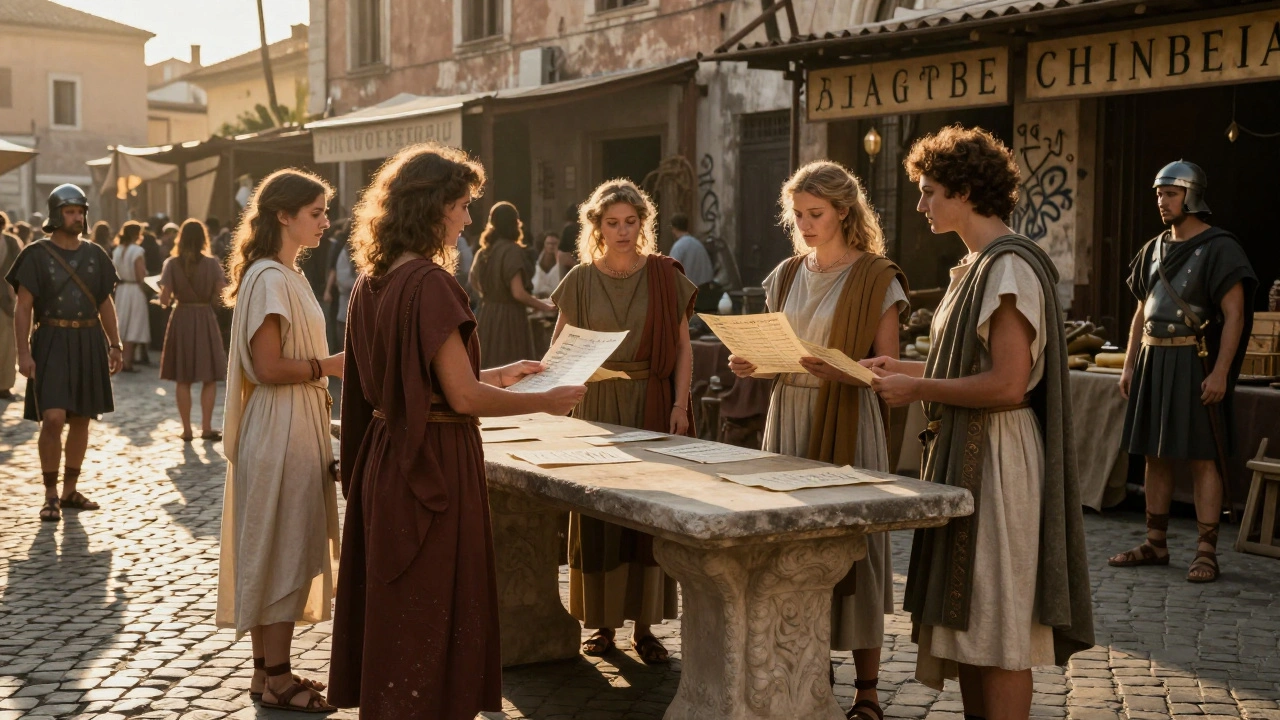
Imperial Taxes on Prostitution: How Rome Taxed Sex Work from Caligula to Anastasius
Dec 9 2025 / History & CultureFrom Caligula to Anastasius, Rome taxed sex work for nearly 500 years - turning marginalized women into revenue sources while denying them basic rights. A deep look at the world's first state income tax on prostitution.
VIEW MORE