Celtic marriage tradition: Ancient rituals, gender roles, and hidden customs
When we think of Celtic marriage tradition, a system of unions rooted in kinship, land rights, and spiritual law among ancient Celtic tribes of Ireland, Scotland, and Gaul. Also known as Brehon law marriages, it wasn’t about romantic love alone—it was a legal, economic, and sacred bond that shaped entire communities. Unlike Roman or medieval Christian unions, Celtic marriages didn’t need a priest, a church, or even a written contract. They were agreed upon by families, witnessed by the community, and often sealed with symbolic acts—like sharing a drink from a single cup or walking around a sacred stone three times.
This system gave women far more power than most contemporary cultures allowed. A Celtic woman could own property, initiate divorce, and keep her dowry if the marriage ended. She wasn’t just a bride—she was a co-partner in land, livestock, and labor. The dowry in Celtic culture, the property or goods a woman brought into the marriage, often included land, tools, or livestock that remained her legal asset, wasn’t handed over to the husband—it was held in trust, managed jointly, and returned if the union dissolved. Meanwhile, the druidic wedding rites, spiritual ceremonies led by druids to bless unions and invoke ancestral protection tied the marriage to the land, the seasons, and the gods. These weren’t performances—they were sacred contracts with cosmic consequences.
The Celtic gender roles, fluid and practical, where women could be warriors, healers, and legal arbiters alongside men meant marriage wasn’t about submission—it was about balance. A man’s status wasn’t just tied to his sword or his cattle, but to the strength and autonomy of his wife. And when marriages ended? They ended cleanly. Divorce was common, socially accepted, and legally straightforward—no shame, no stigma, just a return to balance.
What’s left of these customs? Not much in the open—but echoes remain. The idea of a woman keeping her name, the tradition of handfasting, the emphasis on mutual consent over religious sanction—all trace back to these ancient practices. The Celtic marriage tradition wasn’t romantic folklore. It was a working system that treated women as full partners, honored personal choice, and tied love to land, law, and legacy. Below, you’ll find articles that dig into the real history behind these customs—how they shaped power, how they were erased, and how they still whisper through modern relationships.
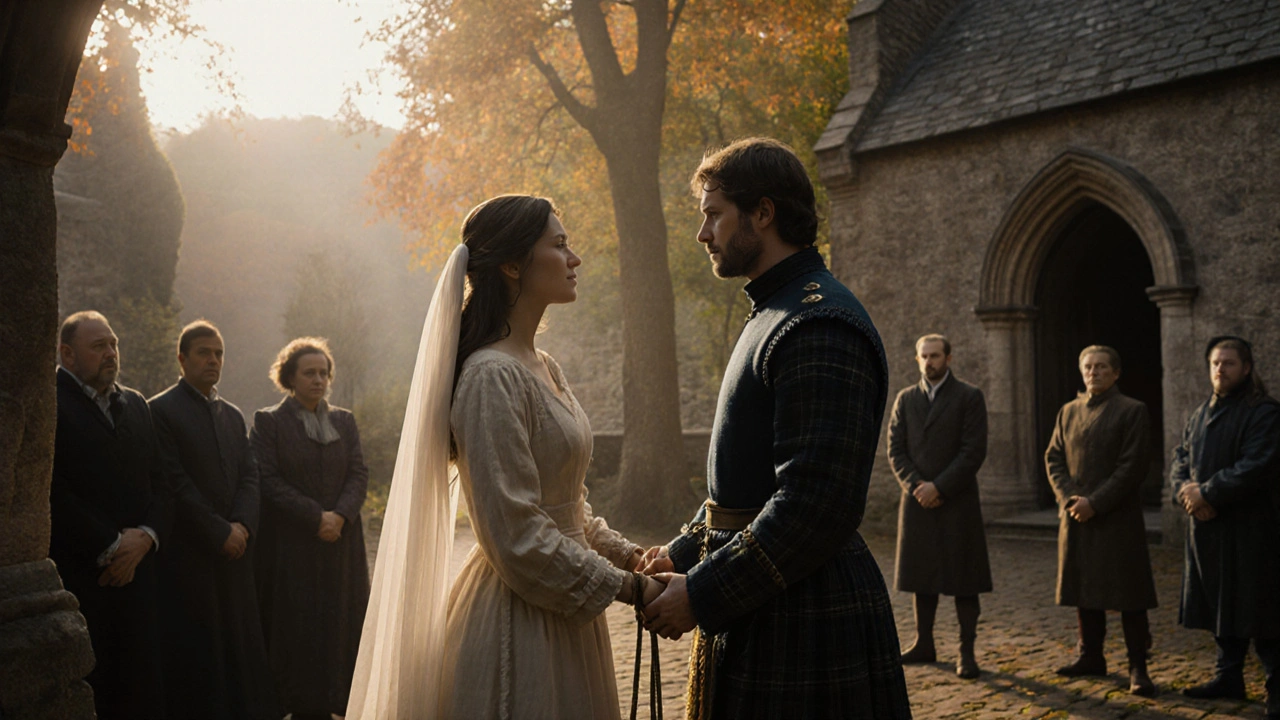
Handfasting and Trial Marriage: The Truth Behind the Celtic Year-and-a-Day Tradition
Nov 20 2025 / History & CultureHandfasting is often called a Celtic trial marriage lasting a year and a day-but that's a myth. Learn the real history of this ritual, how it became a modern wedding symbol, and why the truth is even more powerful than the legend.
VIEW MORE