Handfasting History Quiz
How much do you know about handfasting?
Test your understanding of the historical facts versus modern myths about this Celtic-inspired ritual.
Question 1: What was the actual purpose of handfasting in historical times?
Question 2: When was the 'year and a day' concept about handfasting invented?
Question 3: Where can handfasting be legally recognized today?
Question 4: What is the main message about modern handfasting according to the article?
People often hear about handfasting as an ancient Celtic ritual where couples tested their marriage for a year and a day-if it didn’t work out, they walked away. It sounds romantic, almost like a folk tale from a fantasy novel. But here’s the truth: handfasting was never a trial marriage in Celtic times. That idea? It was invented in the 1800s.
What Handfasting Actually Was
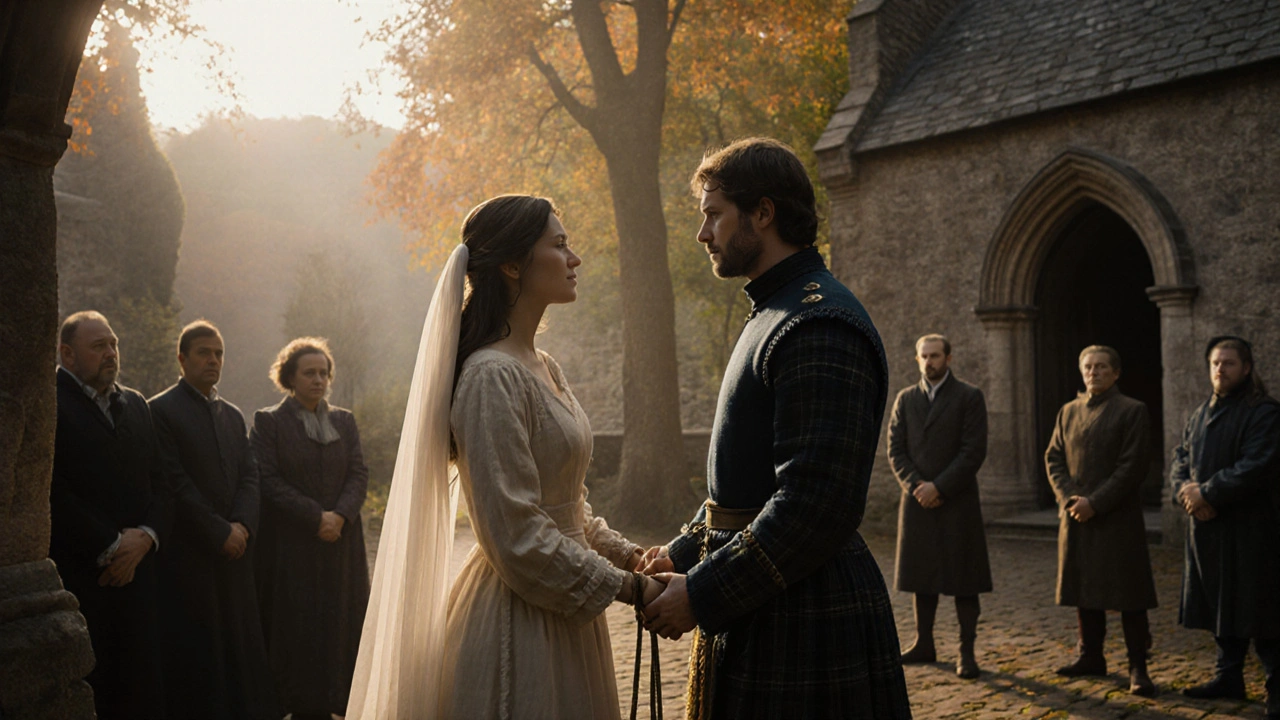
Handfasting wasn’t some mystical Celtic custom passed down for thousands of years. It was a legal practice in medieval Scotland and Ireland, and later in Tudor England, where a couple could marry by simply speaking vows to each other in front of witnesses. No priest. No church. No fancy ceremony. Just two people saying, “I take you as my spouse,” and binding their hands together with a cord or ribbon as a symbol of their commitment.This wasn’t a trial. It was final. Once those vows were spoken, the marriage was legally binding-just like a church wedding. You couldn’t walk away after a year. The only way out was death. That’s what the courts and church records show. In 1612, William Shakespeare was called as a witness in a legal case about a handfasting marriage in London. The court treated it as a real marriage, not a test run.
The Myth of the Year and a Day
The idea that handfasting was a one-year trial marriage? That comes from a novel. Sir Walter Scott’s 1820 book The Monastery described a fictional Celtic custom where couples lived together for a year and a day, and if the woman wasn’t pregnant, the man could send her back. It was fiction. But people believed it. By the 1900s, it was repeated in books, movies, and even wedding websites as if it were fact.Here’s the kicker: the Celts didn’t even do handfasting. There’s no archaeological evidence, no legal documents, no folklore from Celtic times that mention binding hands during marriage. Celtic unions were simple contracts-often arranged by families, sometimes involving cattle or land. No ribbons. No knots. No ritual binding.
The “year and a day” idea was a romantic fantasy created by 19th-century writers obsessed with the idea of “noble savages” living by ancient, natural laws. It fit the mood of the time-nostalgic, poetic, and deeply wrong.
How Handfasting Became a Modern Ritual
Fast forward to the 1970s. The neo-pagan and Wiccan movements were growing in the UK and US. People wanted spiritual, nature-based ceremonies that felt personal. They needed symbols. They found handfasting in old texts-but misunderstood them. They took the binding of hands, mixed it with the fictional “year and a day” idea, and created something new.Today, handfasting is a beautiful, meaningful ritual. Couples tie their hands together with ribbons-sometimes tartan, sometimes colored to represent love, trust, or strength. They speak vows. They exchange rings. It’s emotional. It’s visual. And it’s completely modern.
In Scotland, things got a little more official. In 2004, the Pagan Federation of Scotland got legal permission to perform weddings using handfasting as part of the ceremony. That means if you do a handfasting with one of their celebrants, your marriage is legally recognized. But that’s the exception. In most places, handfasting is symbolic. You still need to register your marriage with the government separately.
Why the Myth Persists
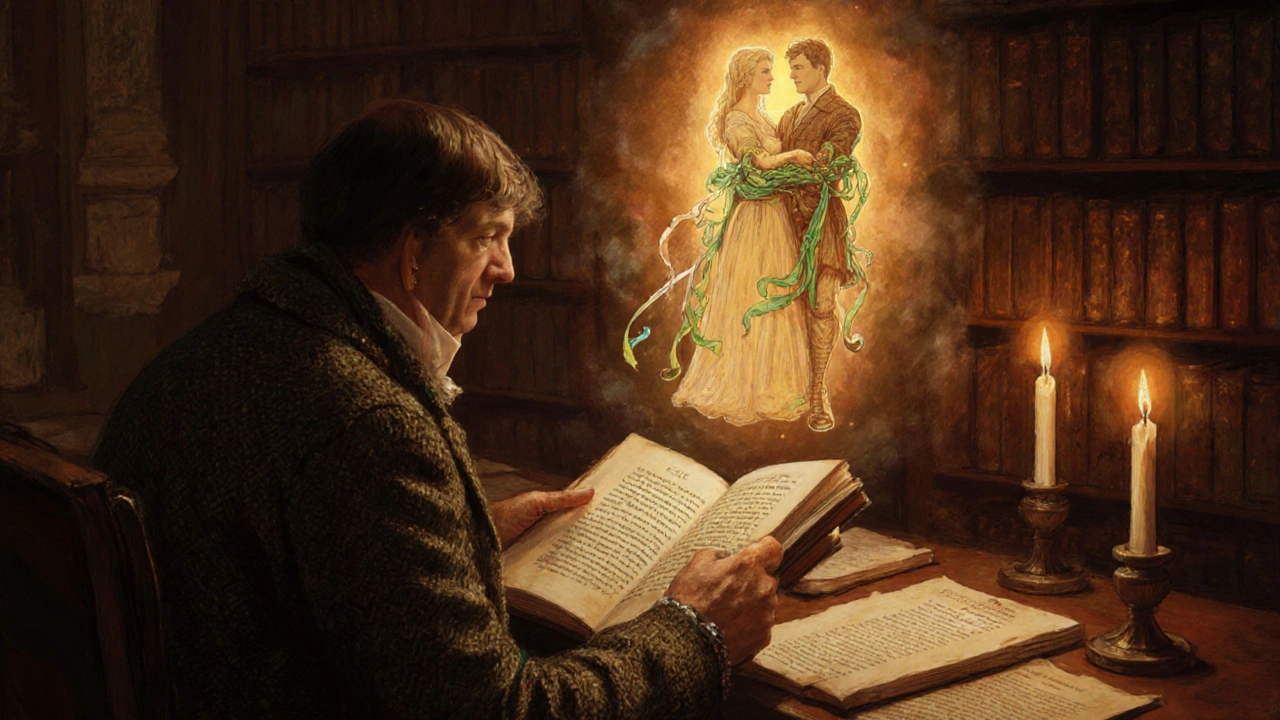
So why do so many people still believe handfasting was a trial marriage? Because it’s comforting. The idea that you can test a relationship before committing feels modern, practical, even empowering. It fits our culture of options, flexibility, and self-determination.But history doesn’t care if it’s comforting. It cares about evidence. And the evidence says: handfasting was a real marriage, not a trial. The “year and a day” part? A literary invention.
That doesn’t make modern handfasting less valuable. It just means we’re not reviving an ancient tradition-we’re creating a new one. And that’s okay. People have been doing that with rituals for centuries.
What Handfasting Looks Like Today
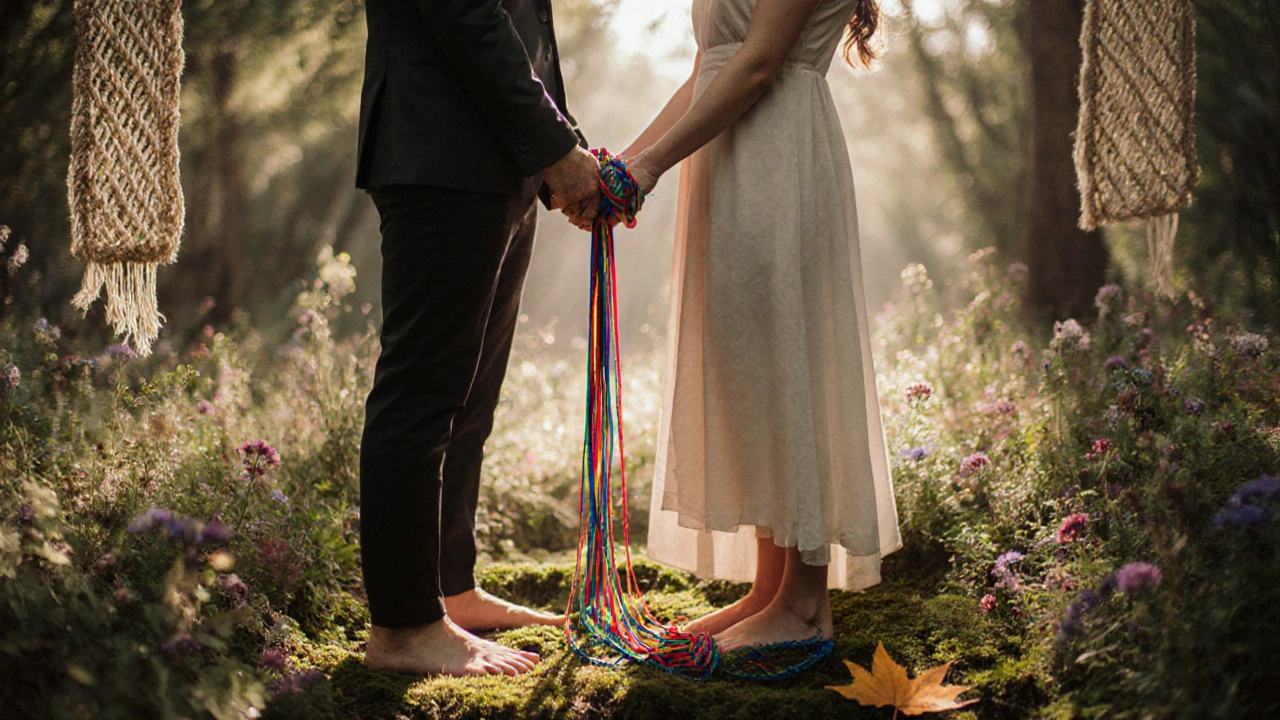
If you’re planning a handfasting today, here’s what you’ll typically see:- A cord, ribbon, or woven band-often made of silk, wool, or cotton
- Colors chosen for meaning: red for passion, green for growth, blue for loyalty
- The couple stands facing each other, hands clasped
- The officiant wraps the cord around their hands, tying it in knots while speaking words of commitment
- Some couples keep the ribbon as a keepsake; others cut it and burn it as a symbol of letting go of past hurts
Many couples do this alongside their legal marriage. Others use it as the centerpiece of a humanist or pagan ceremony. In the UK, about 15% of non-religious weddings now include some form of handfasting, according to 2022 wedding trend reports.
Scotland’s Unique Legal Role
Scotland is the only place in the modern world where handfasting can be part of a legally binding marriage. That’s thanks to the 2004 authorization for Pagan celebrants. Before that, Scottish law allowed “irregular marriages”-marriages by mutual consent without a ceremony. That ended in 1939 with the Marriage (Scotland) Act. But in 2004, the law changed again to let registered celebrants, including Pagans, conduct legal ceremonies that include handfasting.So if you want a legally recognized handfasting, Scotland is your only real option. Elsewhere, it’s a beautiful symbol-but not a legal substitute.
What You Should Know Before You Do It
If you’re considering a handfasting for your wedding:- Don’t assume it’s legally binding unless you’re in Scotland and using an authorized celebrant
- Don’t confuse modern symbolism with ancient history-your ritual is still powerful, even if it’s new
- Think about what the knot means to you. Is it unity? Permanence? Partnership? Let that guide your words and choice of materials
- Consider adding your own twist. Some couples weave in heirloom threads. Others use cords made from fabric of their childhood blankets
The real magic of handfasting isn’t in its past. It’s in what it means now. Two people, choosing to bind their lives together-with their own words, their own symbols, their own truth.
Where the Truth Leaves Off, Meaning Begins
You don’t need ancient Celts to make a ritual sacred. You just need intention.Handfasting today isn’t about reviving a forgotten past. It’s about creating a present that feels true. Whether you tie your hands with a simple ribbon or a family heirloom, the act becomes meaningful because you choose it to be.
The year-and-a-day myth? It’s a story. A pretty one. But it’s not history. And that’s fine. We don’t need to be bound by the past to honor what matters now.