City Walls Prostitution: The Hidden History of Sex Work Behind Ancient Fortifications
When you think of city walls prostitution, the organized, often tolerated sex work that flourished just outside or within the fortified boundaries of ancient and medieval cities. Also known as walled-city sex trade, it was a quiet but essential part of urban economies—not just crime, but commerce. These walls weren’t just for defense. They were boundaries that controlled movement, classified people, and contained the messy realities of human desire. Prostitution didn’t happen in the open square—it happened in the gray zones: near gates, along trade routes, inside the shadow of towers, where soldiers, merchants, and travelers passed through.
ancient brothels, regulated spaces where sex work was officially permitted or ignored by authorities. Also known as lupanars, they were common in Roman cities like Pompeii and Ostia, often clustered near bathhouses and ports. In medieval Europe, urban prostitution, sex work confined to specific districts under city ordinances. Also known as stews, it was tolerated in places like Southwark in London or the Leidsegracht in Amsterdam—not because it was moral, but because it was useful. City leaders knew that locking sex work inside walls kept it away from churches, noble homes, and main markets. They taxed it. They policed it. Sometimes, they even licensed it. The walls didn’t stop sex work—they contained it. And in doing so, they created zones where women, and sometimes men, could survive, earn, and even build small communities under the watch of guards and magistrates.
Behind those stones and gates, sex workers navigated a world of risk and resilience. Some were enslaved. Others were widows or refugees with no other options. A few ran their own operations. The walls protected the city’s image—but not the people inside them. Records from 14th-century Paris show brothels near the Porte Saint-Antoine, where women paid fees to the city for the right to work. In 16th-century Nuremberg, brothels were required to have red lanterns outside—clear signs, but also warnings. These weren’t secret. They were managed. And they were everywhere city walls existed.
What you’ll find below are deep dives into how sex work lived in the shadows of power—from temple courtesans in ancient Mesopotamia to the women who sold sex near castle gates in feudal Japan. You’ll see how laws changed, how diseases spread, and how resistance grew in places no one was supposed to look. This isn’t just about sex. It’s about survival, control, and the quiet ways people carved out space for themselves when the world said they didn’t belong.
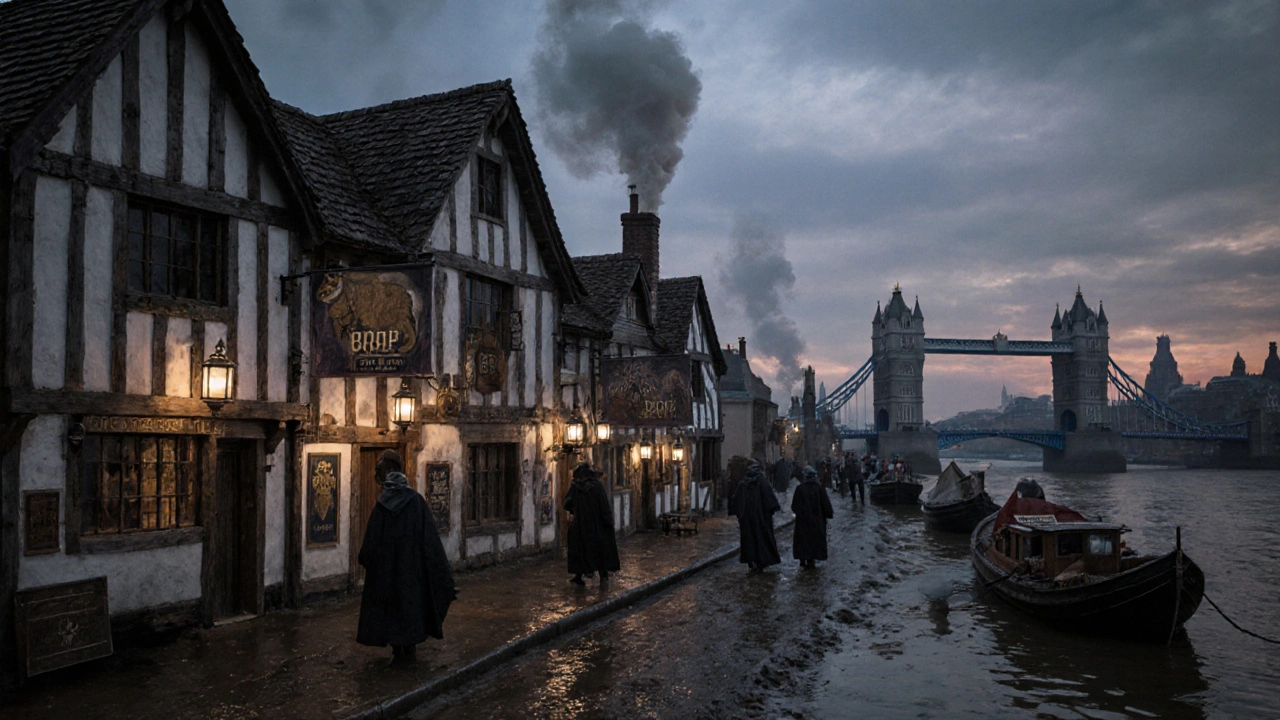
Medieval Brothels Beyond City Walls: How Cities Tolerated Sex Work
Oct 27 2025 / History & CultureMedieval cities didn't ban prostitution-they controlled it. Brothels outside city walls were licensed, taxed, and strategically placed near ports and gates. This system of tolerance lasted for centuries before religious reforms shut it down.
VIEW MORE