Cold War Guatemala: Sex, Power, and Suppression in a Hidden Era
When we think of the Cold War Guatemala, the U.S.-backed military regimes in Guatemala during the mid-20th century that crushed dissent under the guise of anti-communism. Also known as Guatemalan Counterinsurgency Period, it was a time when the state didn’t just target rebels—it policed bedrooms, banned books, and punished anyone who stepped outside rigid gender lines. This wasn’t just politics. It was a full-scale attack on how people loved, spoke, and lived.
Under U.S.-funded military governments, anything seen as ‘deviant’—homosexuality, feminist organizing, even open discussions about sex—was labeled communist propaganda. Teachers who mentioned contraception were fired. Women who spoke out about domestic violence were disappeared. Men who showed emotion were accused of being weak, unmanly, and dangerous. The same logic that justified burning libraries was used to silence queer voices and control women’s bodies. This was sexual repression, the systematic suppression of sexual expression and identity under state control, wrapped in religious and nationalist rhetoric. And it worked. For decades, people stayed quiet. Families hid their own. Archives were emptied. Stories vanished.
But the repression didn’t just erase history—it shaped it. The fear of being labeled a subversive meant that even private acts became political. A man holding another man’s hand could get arrested. A woman reading a book about birth control could be watched by the secret police. And when the military burned down villages, they didn’t just kill people—they destroyed the spaces where intimacy, resistance, and truth could grow. This era connects directly to today’s fights over gender identity, reproductive rights, and free speech. The tools of control then—censorship, shame, silence—are still being used, just in new forms.
What you’ll find below isn’t just history. It’s the quiet rebellion that survived. Articles on how sexual repression shaped legal systems, how gender roles were weaponized, and how people found ways to love anyway. You’ll read about the forgotten voices, the coded language, and the moments when someone dared to say yes—to themselves, to each other, to life. These aren’t just stories from Guatemala. They’re warnings. And reminders.
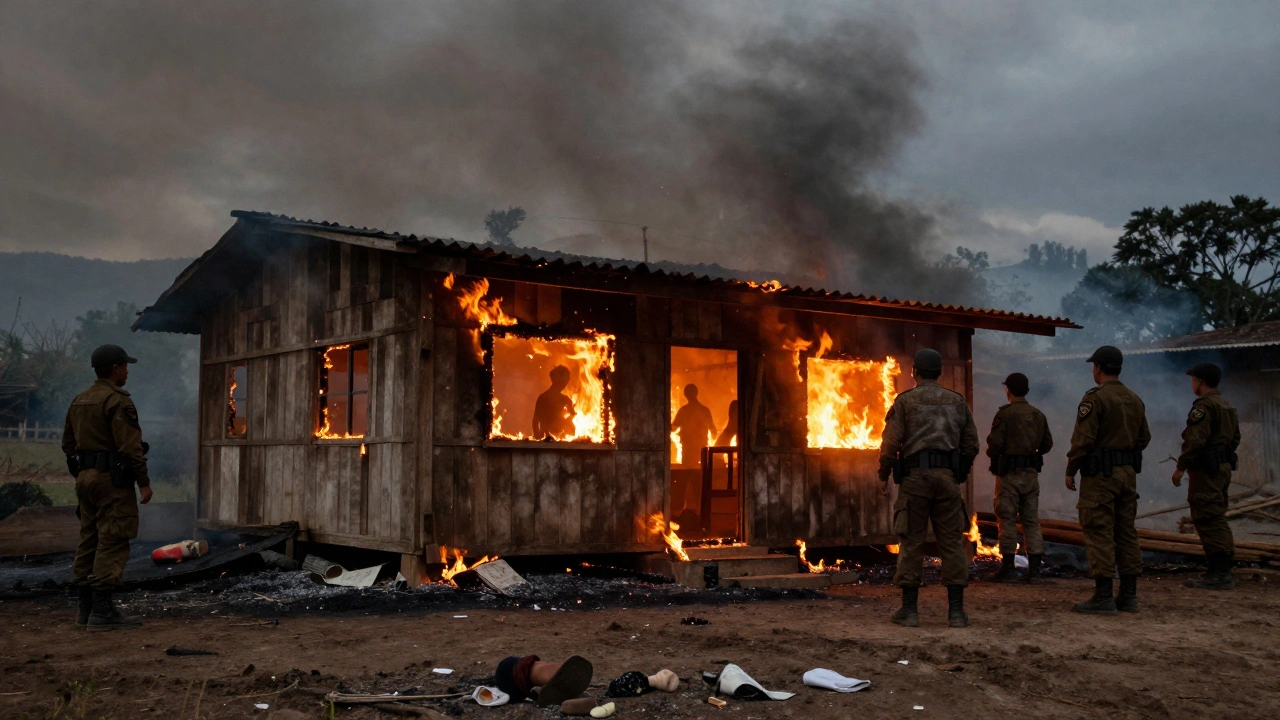
The Río Negro Massacres: Sexual Violence as a Weapon in Cold War Guatemala
Dec 6 2025 / History & CultureThe Río Negro Massacres were a state-sponsored genocide against Q’eqchi’ Maya communities in Guatemala during the Cold War. Sexual violence was a systematic weapon used to destroy cultural identity, yet remains underreported. Survivors still seek justice.
VIEW MORE