Guatemala Genocide Impact Calculator
This calculator visualizes the human cost of the Río Negro massacres and the wider Guatemalan genocide. Based on data from the Historical Clarification Commission (CEH) and other sources.
Results
The Río Negro massacres were not random acts of brutality. They were part of a deliberate campaign by the Guatemalan military to erase entire Indigenous communities. Sexual violence was not an afterthought—it was strategy.
This tool visualizes the human cost of the genocide, showing how many people were affected by direct violence, displacement, and sexual violence as a weapon of war.
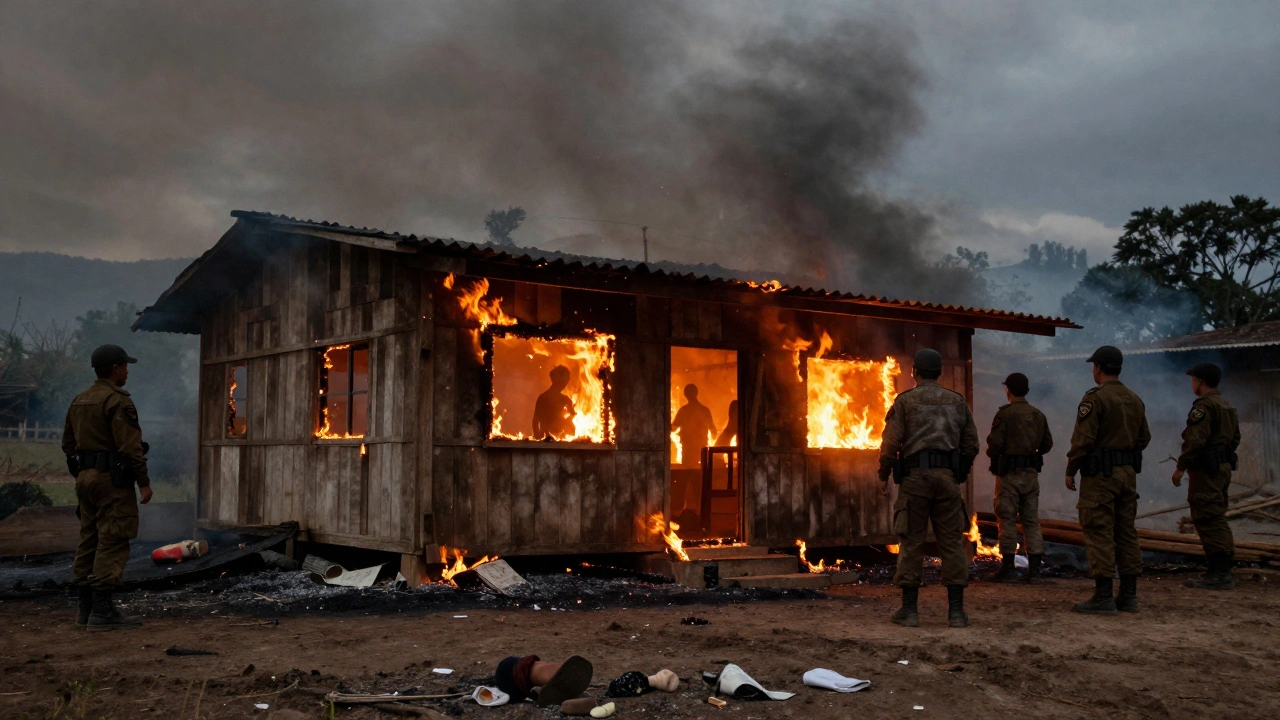
On September 14, 1982, soldiers and Civil Self-Defense Patrols surrounded a house in Agua Fria, Guatemala. Inside were 92 people-women, children, elders-fleeing earlier violence. The door was kicked in. Gunfire ripped through the room. Then came fire. The house burned. No one escaped. This was not an accident. It was planned. And it was only one of many.
The Río Negro Massacres were not random acts of brutality. They were part of a deliberate campaign by the Guatemalan military to erase entire Indigenous communities. Between 1980 and 1982, over 440 Q’eqchi’ Maya men, women, and children were killed in coordinated attacks across the Río Negro region. The official reason? Suspected ties to leftist guerrillas. The real reason? Resistance to the Chixoy Hydroelectric Dam, a World Bank-funded project that would flood their ancestral lands and displace thousands. When the people refused to leave, the state decided to make them disappear.
What happened in Río Negro didn’t happen in isolation. It was one piece of a much larger puzzle: the Guatemalan genocide. From 1960 to 1996, a civil war raged, and the state targeted Mayan communities with extreme violence. The Historical Clarification Commission found that 93% of human rights violations were committed by government forces. Eighty-three percent of the victims were Indigenous. And while the massacres are well documented, one layer of the horror is often left unspoken: sexual violence.
Sexual Violence Wasn’t an Afterthought-It Was Strategy
Official reports from the 1990s, including the UN-backed Historical Clarification Commission (CEH), confirmed that rape and sexual torture were systematic tools of war in Guatemala. But when it comes to Río Negro specifically, direct testimonies about sexual violence are scarce. That’s not because it didn’t happen. It’s because survivors were silenced, records were destroyed, and investigators focused on bodies, not trauma.
Yet we know from other massacres in Quiché, Huehuetenango, and Alta Verapaz that rape preceded executions. Women were stripped, beaten, and violated in front of their families. Children were forced to watch. These weren’t crimes of passion. They were calculated acts meant to break community bonds, humiliate lineage, and destroy cultural identity. In Mayan societies, women are keepers of language, ritual, and memory. Targeting them was a way to kill the future.
The CEH report states clearly: sexual violence was used to terrorize, punish, and erase. In Río Negro, where entire families were wiped out in a single day, it’s nearly impossible to believe women weren’t targeted. Survivors who fled to Agua Fria were hiding from soldiers who had already burned homes and shot children. What happened in those final hours? We may never have all the names, but we know the pattern. And the pattern says: sexual violence was part of the plan.
The Chixoy Dam: The Real Reason They Were Killed
The massacres didn’t start because of communism. They started because of water.
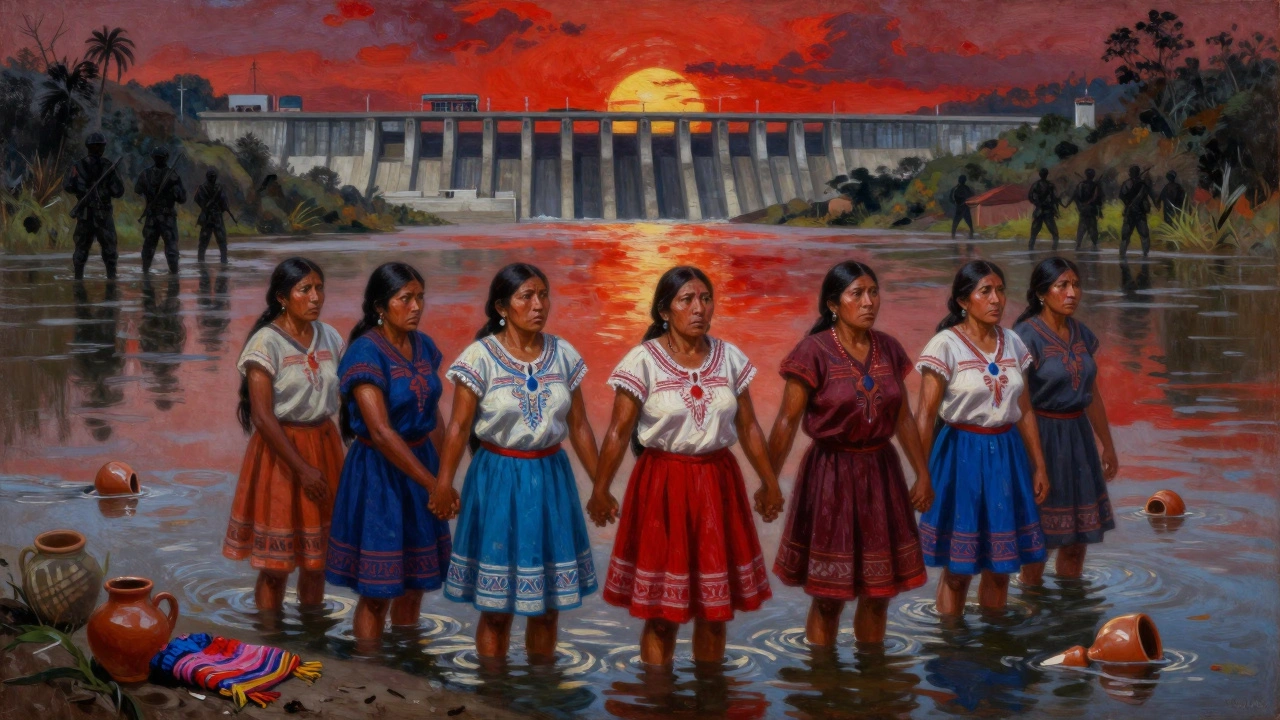
Starting in 1978, the Guatemalan government, with funding from the World Bank and the Inter-American Development Bank, began building the Chixoy Hydroelectric Dam. The project would flood 18 Q’eqchi’ villages-including Río Negro-covering sacred land, burial sites, and farmland. The government promised compensation. It never delivered.
Instead of negotiating, they sent soldiers. When community leaders organized peaceful resistance, they were labeled subversives. When elders refused to sign displacement papers, they were accused of aiding guerrillas. When women gathered to protest, they were threatened with rape. The dam wasn’t just infrastructure. It was a land grab disguised as development. And those who stood in its way were treated as enemies of the state.
By 1982, the military had turned the region into a war zone. Patrols moved through villages like ghosts. Anyone who spoke out vanished. Children disappeared. Women were taken and never seen again. The violence escalated after General Lucas García took power in 1981. By the time General Ríos Montt seized control in 1982, the strategy was fully institutionalized: eliminate the “enemy,” no matter how old, how young, how innocent.
Who Gave the Orders?
The soldiers who fired into the house in Agua Fria didn’t act alone. They were following orders.
Declassified U.S. documents and court testimonies show that the massacres were coordinated by top military officials. The Guatemalan Army’s “Plan Victoria 82” called for the “elimination” of Indigenous communities suspected of supporting rebels. Río Negro was not an exception-it was the rule. The Civil Self-Defense Patrols (PACs), made up of Indigenous men forced to serve under threat of death, were used as tools to identify targets and carry out killings. This turned neighbor against neighbor, father against son.
The Inter-American Court of Human Rights ruled in 2012 that the Guatemalan state was responsible for crimes against humanity. The court found that the massacres were not the result of rogue soldiers. They were state policy. The commanders who ordered them-Lucas García, Ríos Montt, and Defense Minister Gramajo-knew exactly what they were doing. And they did it anyway.
Even today, few have been held accountable. Ríos Montt was convicted of genocide in 2013, but the verdict was overturned on technical grounds. He died in 2018 without serving time. The men who led the patrols? Still walking free. The women who survived? Still waiting for justice.
The Survivors and the Silence
Some people did survive. They fled into the mountains. They hid in caves. They walked for days with no food, no shoes, no hope. They carried the bodies of their children. They buried them with their own hands.
Decades later, survivors still speak in whispers. Many fear retaliation. Others have internalized the shame. In Q’eqchi’ communities, talking about rape is still taboo. So the stories stay buried.
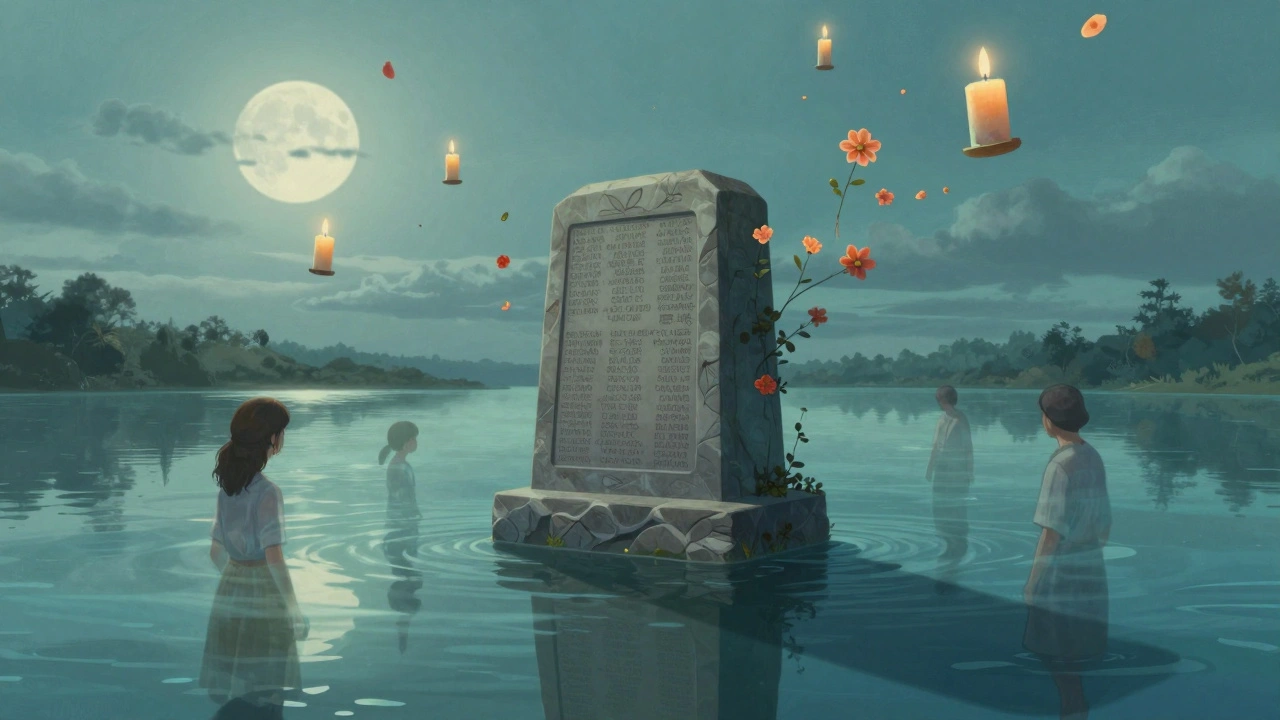
But not all silence is defeat. In 2012, the Inter-American Court ordered Guatemala to build a memorial, provide reparations, and create scholarships for the children and grandchildren of victims. A monument now stands at the site of the massacre in Río Negro. It’s made of stone, carved with names. Some names are known. Others are blank.
Every year, survivors return. They bring flowers. They light candles. They sing in Q’eqchi’. They refuse to let the world forget. But they still wait for the state to admit what it did. They still wait for the rapists to be named. They still wait for their daughters to grow up without fear.
Why This Matters Today
The Río Negro Massacres didn’t end in 1982. They live on-in the trauma passed down through generations, in the land still flooded by the dam, in the silence that still surrounds sexual violence.
Guatemala is not alone. Across Latin America, from Colombia to El Salvador, Indigenous women have been targeted in conflicts disguised as national security. The same playbook is used: erase resistance by attacking the most vulnerable. The same excuse is given: they were with the guerrillas. The same outcome: silence.
But here’s the truth: sexual violence in war is not a byproduct. It’s a weapon. And in Guatemala, it was used to destroy a people. The Río Negro Massacres remind us that genocide doesn’t always mean mass graves. Sometimes, it means stolen dignity. Broken bodies. Forgotten names.
Today, young Q’eqchi’ activists are reclaiming their history. They’re documenting testimonies. They’re teaching in schools. They’re demanding the truth. And they’re not waiting for permission.
Justice may be slow. But memory? Memory doesn’t sleep.
The Dam Still Flows
The Chixoy Dam still generates electricity. It powers homes in Guatemala City. Tourists visit the reservoir. They take pictures. They don’t know what’s beneath the water.
They don’t know that 3,445 people were displaced. That 18 villages were erased. That children’s bones still lie in the mud. That women were raped before they were shot. That the state paid nothing. That the World Bank ignored warnings.
The dam didn’t just flood land. It flooded memory. And for decades, the world looked away.
But the survivors haven’t. And neither should we.