Courtship Behavior: How Love, Power, and Culture Shaped Human Mating
When we think of courtship behavior, the series of actions humans use to attract and secure a mating partner, often shaped by biology, culture, and social power. Also known as mating rituals, it's not just about flowers and dates—it's a deep-rooted system that evolved to signal fitness, status, and commitment. From ancient Etruscan tomb paintings showing couples in intimate embrace to Victorian men writing poetry to prove their emotional worth, courtship has always been more than affection. It’s a performance—and one that’s been controlled, coded, and sometimes weaponized.
Think about how gender roles, the socially expected behaviors assigned to men and women based on cultural norms. Also known as sex roles, it's how societies tell people how to act when they’re looking for love. In medieval times, marriage was a business deal: dowries, land transfers, and family alliances dictated who paired with whom. Women didn’t choose partners—they were chosen. Even today, echoes of that system show up in how men are expected to initiate and women to respond. Meanwhile, sexual selection, the evolutionary process where traits are favored because they increase mating success, not survival. Also known as mate choice, it explains why men often display status and women prioritize stability—because those traits once meant better chances of raising healthy kids. Evolution didn’t care about romance. It cared about genes. And that’s why courtship looks different across cultures: in some places, it’s a public dance; in others, it’s a silent glance across a crowded room.
Modern courtship doesn’t look like it did in the 1800s, but the rules are still there—just hidden in apps, DMs, and first-date small talk. The same pressures that once made women hide their desire now make men hide their vulnerability. The same systems that turned marriage into property now turn dating into a resume review. But here’s the thing: courtship behavior isn’t fixed. It’s changing. Feminism, LGBTQ+ visibility, and digital communication are rewriting the script. You can see it in the articles below—how women reclaimed self-pleasure, how bisexuality was erased then fought back, how Victorian doctors pathologized desire, and how ancient societies saw sex as sacred, not shameful. This isn’t just history. It’s the blueprint for how we love now—and how we might love next.
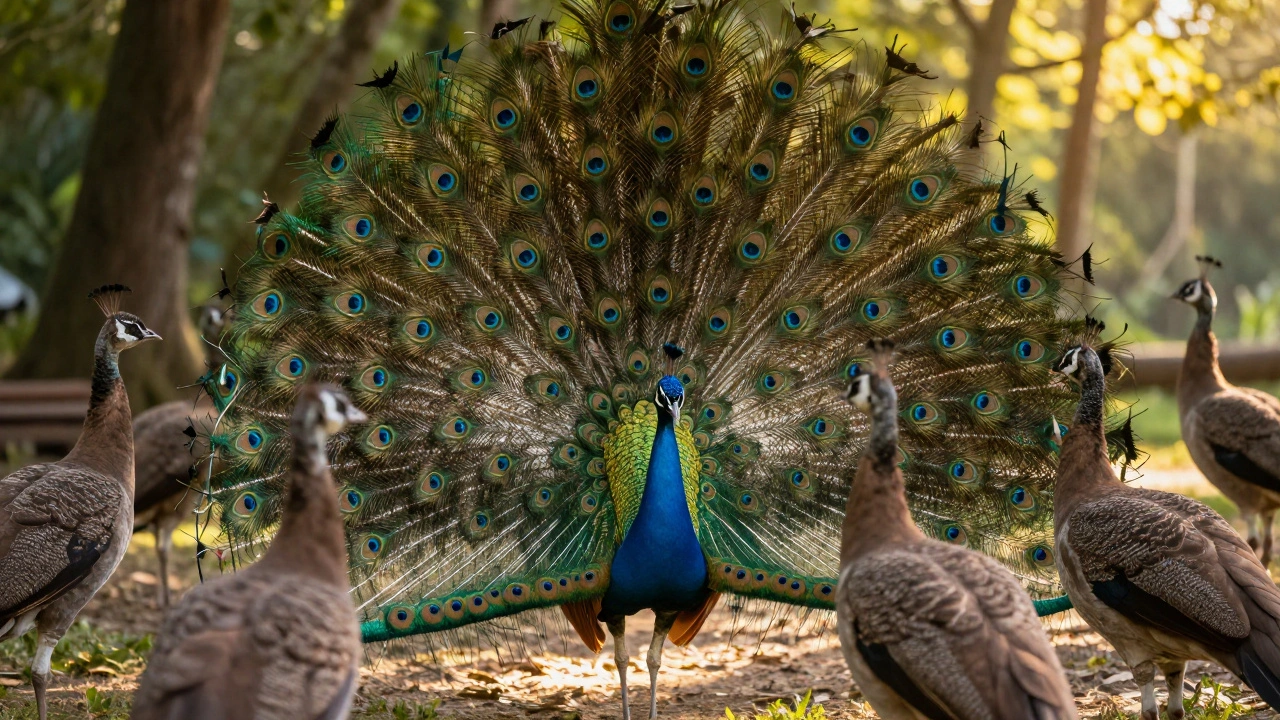
Sexual Selection in Early Animals: How Courtship, Competition, and Mate Choice Shaped Evolution
Mar 15 2026 / History & ArchaeologySexual selection shaped the most dramatic traits in early animals-from peacock tails to spider suicide-driven by competition and mate choice. Darwin's theory explains why beauty and risk go hand in hand in evolution.
VIEW MORE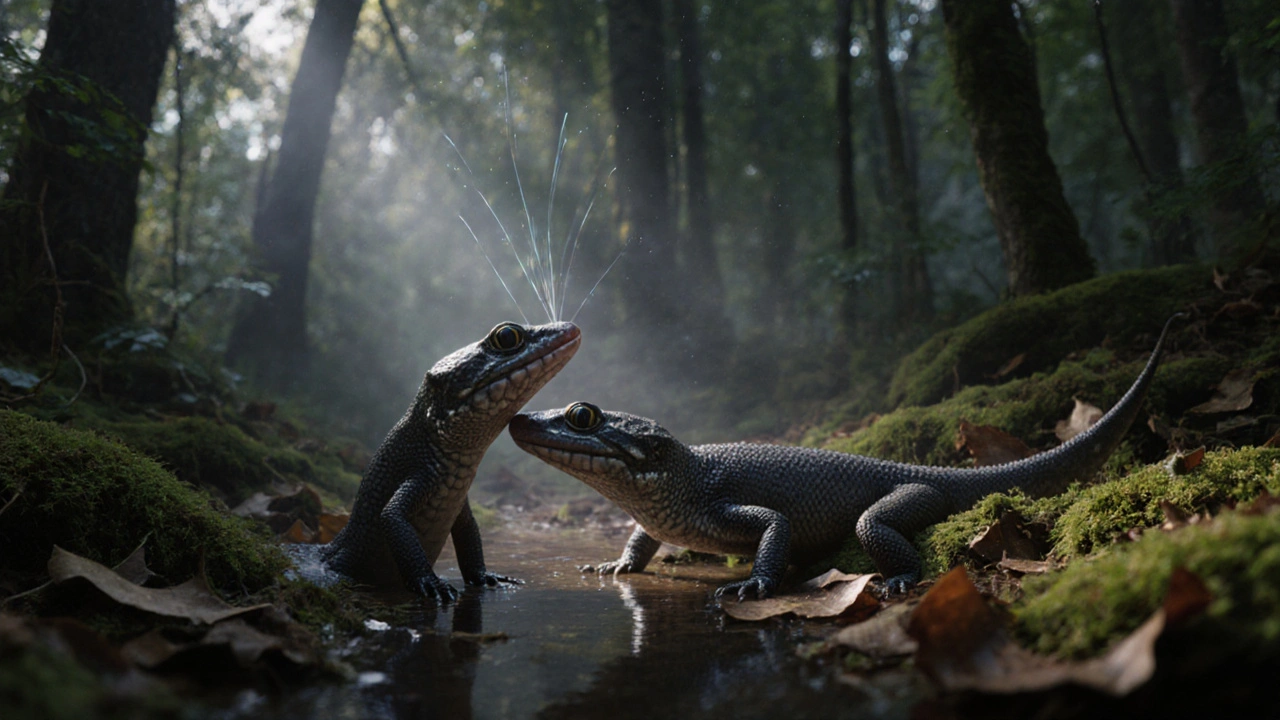
How Sexual Signals Evolved: From Pheromones to Bird Dances
Nov 14 2025 / History & CultureFrom pheromones to bird dances, sexual signals are ancient, complex, and essential for reproduction. Explore how evolution shaped courtship across species-and why these rituals are now under threat.
VIEW MORE