Disabled People Segregation: How History Shaped Exclusion in Sex and Society
When we talk about disabled people segregation, the systemic removal of people with disabilities from public life, education, and intimate spaces. Also known as institutionalization, it wasn’t just about locking people away—it was about deciding who deserved to be seen, touched, or desired. For over a century, disabled people were labeled unfit for sex, marriage, or even companionship. Doctors, lawmakers, and social workers treated their bodies as problems to contain, not lives to honor.
This segregation didn’t happen by accident. It was built on eugenics, a pseudoscientific movement that claimed certain people were genetically inferior and should be prevented from reproducing. In the U.S. and Europe, tens of thousands were forcibly sterilized under laws that targeted those with physical, intellectual, or mental disabilities. Many were sent to asylums where they lived in isolation, denied contact, education, and any sense of autonomy. Their sexuality? Ignored, feared, or erased. Even when they wanted intimacy, society told them they weren’t allowed to want it. The idea that disabled people could be sexual beings—let alone seek pleasure, companionship, or love—was seen as unnatural, dangerous, or ridiculous.
And it wasn’t just about institutions. Schools, churches, workplaces, and even dating spaces reinforced this exclusion. Disabled people were told they were too fragile, too ugly, too burdensome to be desired. Their bodies were medicalized, not eroticized. Their voices were silenced, not heard. The legacy? A culture that still assumes disabled people are asexual, childlike, or in need of protection—not as full human beings with desires, boundaries, and rights.
But history isn’t just about oppression. It’s also about resistance. Behind closed doors, in hidden letters, in quiet acts of defiance, disabled people claimed their right to touch, to be touched, to be seen. The same systems that tried to erase them also sparked movements for bodily autonomy, disability rights, and sexual justice. Today, those stories are surfacing—not as footnotes, but as vital chapters in how we understand sex, power, and dignity.
What follows is a collection of articles that don’t just talk about disability—they connect it to the deeper currents of sexual history: how shame was weaponized, how medical myths were built, how consent was denied, and how people fought back. You’ll find links between Victorian morality and modern stigma, between forced sterilization and today’s reproductive control, between the silence around disabled sexuality and the loud, necessary voices reclaiming it. This isn’t just about the past. It’s about who gets to be human—and who gets to be loved.
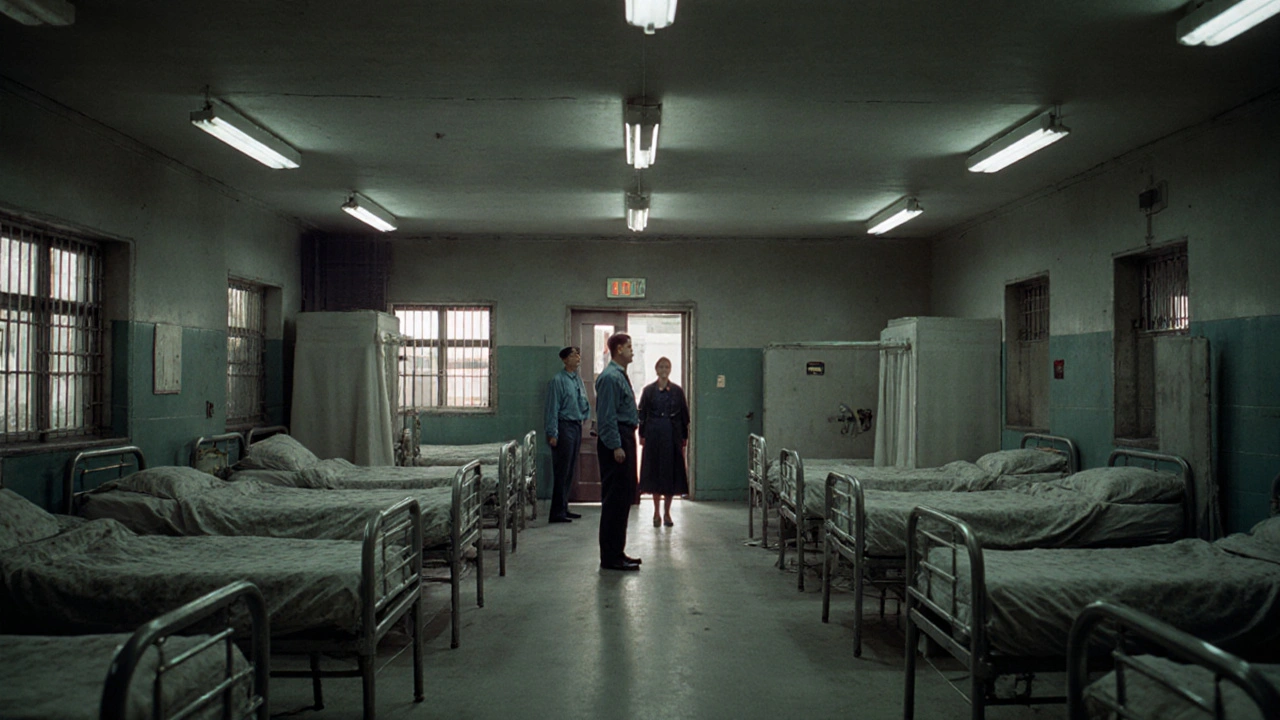
Institutionalization and Sexual Control: How Disabled People Were Segregated
Nov 15 2025 / History & CultureFrom forced sterilizations to marriage bans, disabled people in the U.S. were systematically controlled for over a century. This is the hidden history of how eugenics shaped their bodies, their rights, and their lives.
VIEW MORE