Domestic Woman: The Hidden History of Women’s Sexuality in Home and Society
When we think of the domestic woman, a woman whose identity and labor were historically tied to the home, often defined by marriage, child-rearing, and unpaid care work. Also known as housewife, it was a role that didn’t just manage laundry and meals—it policed female desire, shaped sexual norms, and erased pleasure from public view. For centuries, the domestic woman was expected to be pure, passive, and available only for procreation. Her body wasn’t her own; it was an extension of her husband’s property, her sexuality a duty, not a right.
This wasn’t just cultural—it was legal, medical, and religious. Victorian doctors called women who showed interest in sex ‘hysterical.’ Courts dismissed rape within marriage because the wife had supposedly ‘consented’ by marrying. Even in the 20th century, laws in many places allowed husbands to control their wives’ bodies without consequence. Meanwhile, the female orgasm, a biological reality long denied by medicine and ignored by society. Also known as clitoral pleasure, it was labeled unnecessary, unnatural, or even dangerous if experienced outside the marital bed. The gender roles, rigid expectations assigned to men and women based on sex, not choice. Also known as traditional femininity, it forced women into silence, making even asking for pleasure feel like rebellion. And yet, beneath the surface, women found ways to reclaim their bodies—through secret masturbation, coded letters, underground feminist writing, and quiet defiance in the kitchen or bedroom.
What you’ll find here isn’t nostalgia. It’s truth. Articles expose how the domestic woman’s sexuality was pathologized, how her pleasure was stolen under the guise of morality, and how modern movements are finally rewriting that story. From Victorian-era vibrators sold as medical devices to the feminist essays that shattered the vaginal orgasm myth, these pieces trace the quiet revolution happening inside homes, hospitals, and courtrooms. You’ll read about erased lesbian histories, the economic ties of marriage, and how consent was never really asked for—until women started demanding it. This isn’t about idealizing the past. It’s about uncovering it—so we understand where we came from, and why the fight for sexual autonomy still matters today.
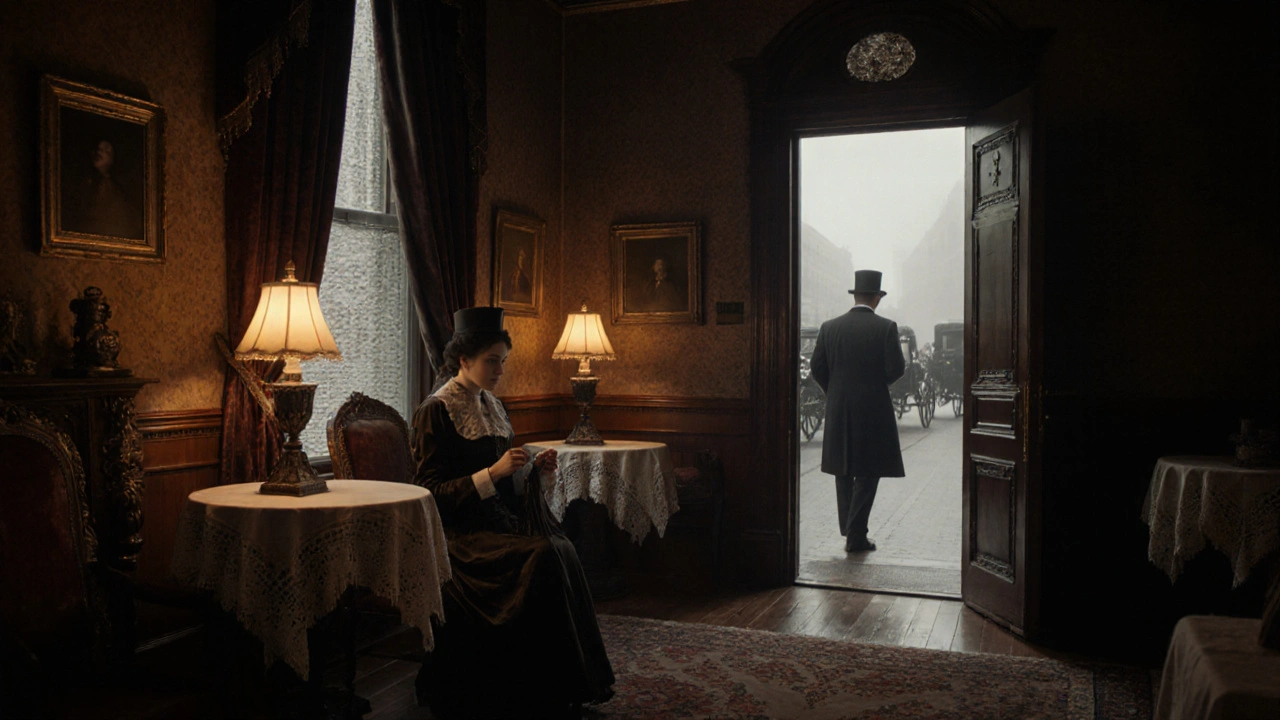
Victorian Separate Spheres: How Domestic Women and Public Men Shaped Gender Roles
Nov 28 2025 / History & CultureThe Victorian separate spheres ideology divided men into the public world of work and politics, and women into the private world of home and family. This rigid system shaped education, jobs, and even literature-and its legacy still echoes in gender roles today.
VIEW MORE