Dower Rights: How Historical Laws Shaped Women's Economic Power
When a woman married in medieval Europe, she didn’t automatically own anything—not her clothes, not her land, not even the clothes on her back. But dower rights, a legal provision granting a widow a life interest in one-third of her husband’s real property. Also known as widow’s portion, it was one of the few tools women had to avoid poverty after their husband’s death. It wasn’t generosity. It was survival. Without dower, widows faced homelessness, debt, or forced remarriage. The system wasn’t fair—but it was something.
Dower rights didn’t give women control during marriage. That power stayed with the husband. But after death, the law stepped in. A widow could live in the family home, collect rent from land, and use income from crops until she remarried or died. It was a backdoor to economic independence in a world that denied women ownership. These rights spread from English common law to colonial America, where they became part of state constitutions. In some places, like Maryland and Pennsylvania, dower was so strong that husbands couldn’t sell land without their wife’s written consent—even if she didn’t own it. That small requirement gave women a voice in transactions they had no other say in.
But dower wasn’t universal. Enslaved women had no claim to it. Poor women often couldn’t prove ownership. And by the 1800s, married women’s property acts began replacing dower with full ownership rights. Still, dower was the foundation. It proved that women could have legal standing in economic life—even if only after their husband died. Today, dower rights are mostly gone, replaced by equitable distribution laws. But their legacy lives on in every law that says a wife deserves a share of what she helped build. The fight for financial autonomy didn’t start with feminism. It started with widows fighting to keep a roof over their heads.
What follows is a collection of articles that trace how power, law, and gender have shaped sexuality and survival across centuries—from Victorian property rules to modern legal battles over consent, reproduction, and identity. You’ll see how the same forces that controlled dower rights still echo in who gets to own their body, their income, and their future.
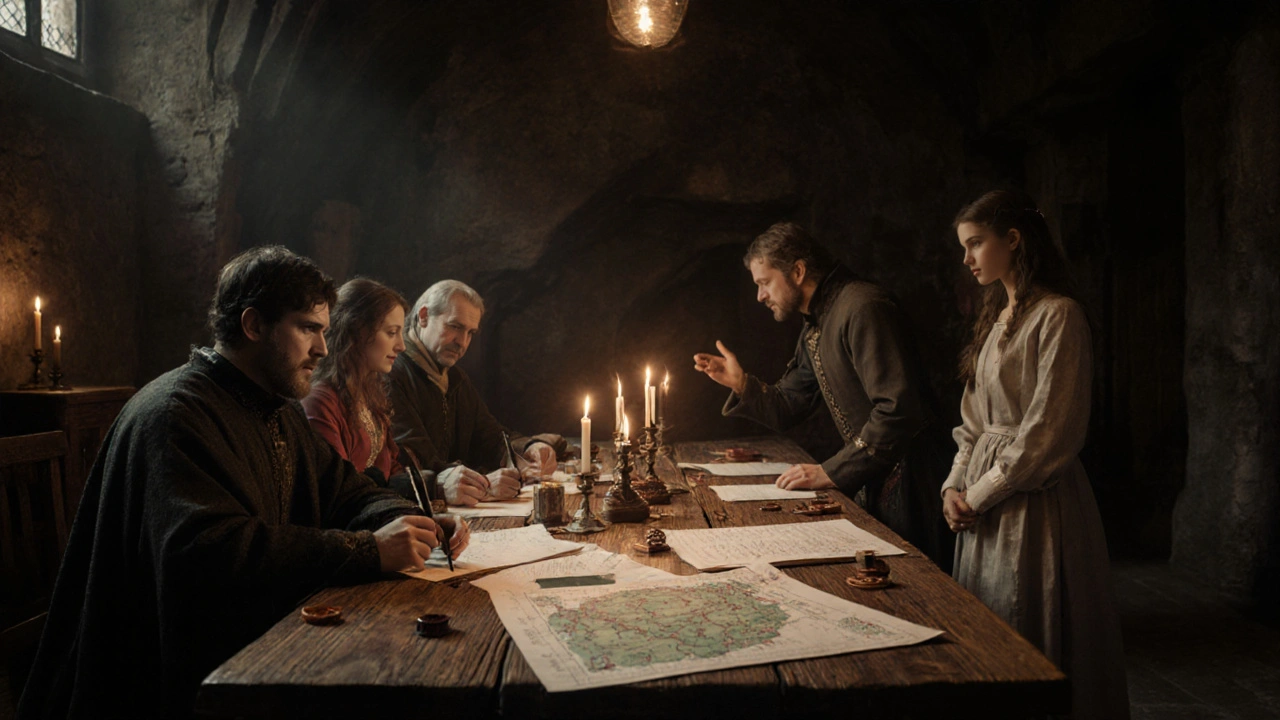
Marriage as Economic Alliance: How Medieval Families Used Unions to Build Wealth and Power
Oct 25 2025 / History & CultureMedieval marriages were economic contracts designed to transfer land, wealth, and power between families. Dowries and dowers ensured financial security, while alliances shaped politics. This system protected both men and women-and its legacy still shapes modern marriage laws.
VIEW MORE