Economic Marriage: How Money, Power, and History Shape Romantic Relationships
When you think of marriage, you might picture love, vows, or shared dreams. But for most of human history, economic marriage, a union formed primarily for financial security, property transfer, or social advancement rather than romantic love. Also known as arranged alliance, it was the norm—not the exception. Before love became a requirement, marriage was a contract. Families traded daughters for land, sons for labor, and entire households were built on economic logic, not emotion.
This wasn’t just about wealth—it was about survival. In the Victorian era, separate spheres ideology, the belief that men belonged in the public world of work and women in the private world of home turned marriage into a transaction where women exchanged domestic labor for protection. Men provided income; women provided childcare and social reputation. Break that balance, and you broke the family’s standing. Even today, that structure lingers. When one partner earns significantly more, power shifts—not just in the bank account, but in decisions about housing, children, and even sex. Studies show women in unequal financial marriages are more likely to stay in unhappy relationships, not out of love, but out of necessity.
And it’s not just about income. gender socialization, how families teach children what roles they should play based on gender starts early. Boys are taught to be providers; girls to be caregivers. That script doesn’t vanish at the altar—it becomes the foundation of the marriage. In cultures where dowries or bride prices still exist, marriage is literally priced. In modern economies, student debt, housing costs, and wage gaps turn relationships into financial partnerships before they become emotional ones. The economic marriage isn’t dead—it’s just quieter now, hidden behind date nights and Instagram posts.
What you’ll find below isn’t just history. It’s the hidden wiring behind why so many relationships feel like negotiations. From Victorian-era gender roles to how medical myths once controlled women’s bodies, these posts pull back the curtain on how money, power, and control have shaped intimacy for centuries. You’ll see how prostitution, legal rights, and even vibrators were once tools of economic survival—not pleasure. And you’ll understand why, even today, saying "I do" can still mean saying "I need this to survive."
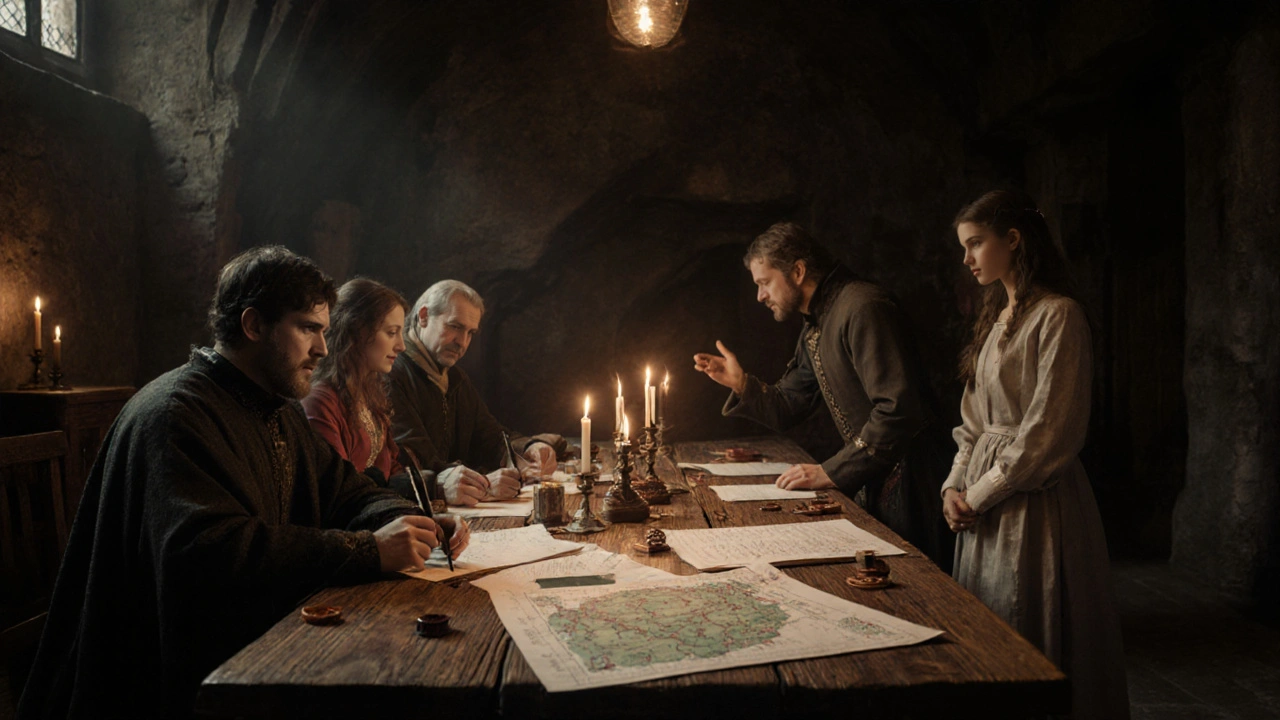
Marriage as Economic Alliance: How Medieval Families Used Unions to Build Wealth and Power
Oct 25 2025 / History & CultureMedieval marriages were economic contracts designed to transfer land, wealth, and power between families. Dowries and dowers ensured financial security, while alliances shaped politics. This system protected both men and women-and its legacy still shapes modern marriage laws.
VIEW MORE