Etruscan Funerary Art: Death, Desire, and Daily Life in Ancient Italy
When you think of ancient funerary art, you might picture solemn statues or silent tombs—but Etruscan funerary art, a vivid, sensual, and deeply personal form of burial expression from pre-Roman Italy. Also known as Etruscan tomb art, it doesn’t just mark death—it brings the living back to life on stone and clay. Unlike the Greeks or Romans who often idealized the dead, the Etruscans painted their tombs with feasts, music, dancing, and sex. They buried their dead with furniture, jewelry, and even erotic scenes, as if death wasn’t an end but a continuation of everything they loved.
This isn’t just about decoration. Etruscan burial practices, a system where the afterlife was treated like an eternal banquet. Also known as tomb rituals, they reflected a society that valued community, pleasure, and equality—especially for women. Etruscan women weren’t hidden away. They dined beside men, owned property, and were depicted in art as active participants in life and death. On sarcophagi, couples reclined together, holding hands, smiling—something almost unheard of in other ancient cultures. Meanwhile, Etruscan sarcophagi, elaborate stone coffins often carved with lifelike figures of the deceased. Also known as lid portraits, they show real people—not gods or heroes—sometimes even with wrinkles, double chins, and relaxed postures. These weren’t symbols of power. They were portraits of identity.
And then there’s the sex. Not hidden. Not ashamed. Not metaphorical. On tomb walls, men and women embrace, touch, and explore each other with the same casual intimacy you’d see in a modern bedroom. These aren’t religious symbols or fertility rites—they’re depictions of pleasure as a normal, everyday part of existence. This openness connects directly to other ancient systems where sexuality was tied to status, like Etruscan gender roles, which gave women far more agency than their Greek or Roman neighbors. It’s why these tombs feel so startling today: they show a world where death didn’t erase desire, and where pleasure wasn’t a sin—it was a legacy.
What you’ll find in the posts below aren’t direct studies of Etruscan tombs—but they’re the missing pieces that help you understand them. From how Victorian doctors pathologized female pleasure to how ancient Egyptians used lipstick as a signal of power, these articles trace the same threads: how culture shapes what we hide, what we celebrate, and who gets to be remembered. The Etruscans didn’t bury their dead in silence. They carved their truth into stone. And now, centuries later, we’re finally listening.
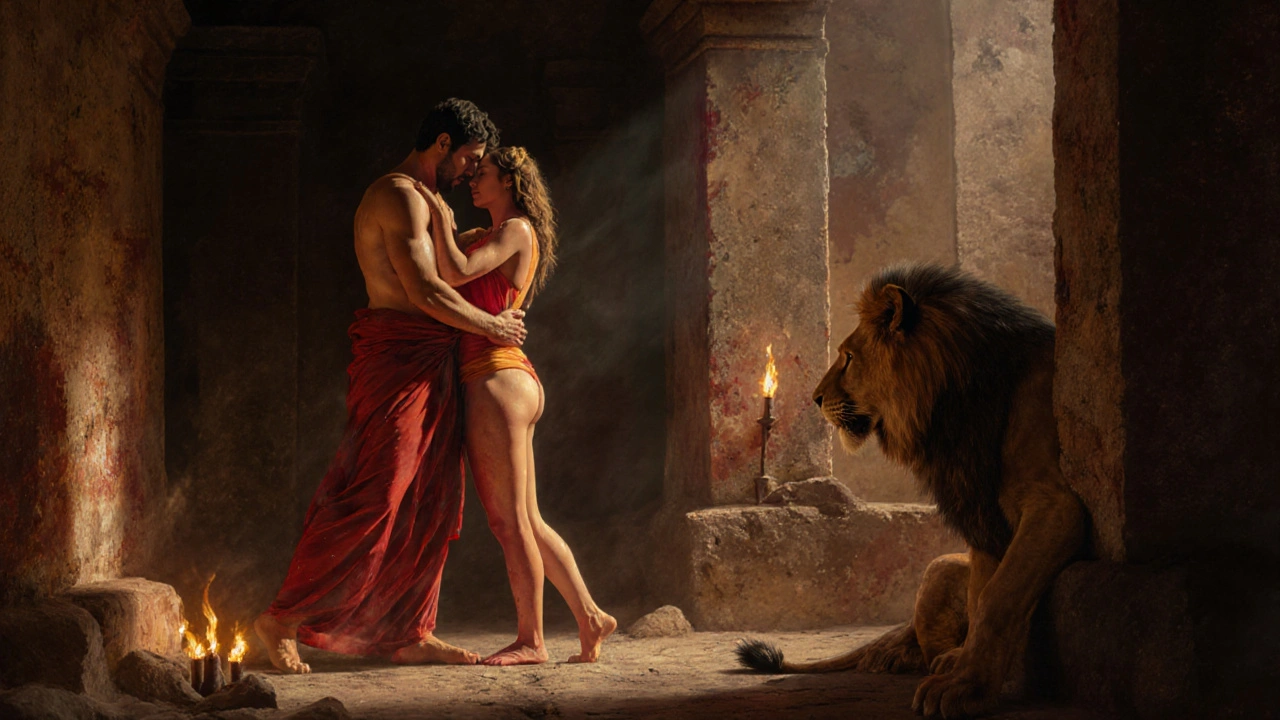
Etruscan Funerary Scenes: What Sexual Depictions Reveal About Death and the Afterlife
Nov 26 2025 / History & CultureEtruscan funerary art features explicit sexual scenes not as decoration, but as sacred rituals to guide the soul into the afterlife-revealing a culture that embraced pleasure, death, and spiritual transformation.
VIEW MORE