Etruscan Women: Sex, Death, and Power in Ancient Italy
When you think of ancient women, you probably picture quiet, confined figures—shut away in homes, silent in history. But Etruscan women, the influential, publicly visible women of ancient Italy’s Etruscan civilization. Also known as Etruscans, they lived differently—dining beside men, signing contracts, and even being buried with their lovers in scenes of intimacy that shocked later Romans. Unlike Greek or Roman women, Etruscan women weren’t hidden. They were central to family, trade, and ritual. Their power wasn’t just social—it was spiritual, written into the walls of their tombs.
That’s where Etruscan funerary art, the painted tomb scenes that depicted life, death, and pleasure in vivid detail comes in. These weren’t just decorations. They were sacred maps of the afterlife. In tombs like the Tomb of the Leopards or the Tomb of the Augurs, you’ll find couples reclining at banquets, men and women touching hands, and yes—explicit sexual acts. These weren’t about shock. They were about connection: the belief that pleasure didn’t end with death. The soul needed the memory of touch, of joy, of shared warmth to cross over. This was a culture where sex wasn’t shameful—it was sacred. And women weren’t just participants; they were equals in these rituals.
Compare that to Rome, where women were told to be modest, quiet, and obedient. The Romans even mocked the Etruscans for their "loose" ways. But here’s the truth: Etruscan women had rights Roman women didn’t—like owning land, naming their children, and appearing in public without a male guardian. Their freedom wasn’t accidental. It was built into their religion, their economy, and their view of death. When you see a painted Etruscan woman holding a wine cup beside her husband, you’re not seeing a fantasy. You’re seeing a real social structure that valued women’s presence in every sphere.
And then there’s the silence. For centuries, scholars dismissed these images as "primitive" or "degenerate." But modern archaeology is changing that. We’re realizing these depictions weren’t about lust—they were about continuity. The body’s pleasure, the bond between partners, the rhythm of life—these were all part of the journey beyond death. That’s why Etruscan sexual depictions, the intimate scenes carved into tomb walls and painted on pottery are so important. They’re not relics of debauchery. They’re proof of a worldview where female agency, sexuality, and spirituality were woven together.
What you’ll find in the posts below isn’t just a list of articles. It’s a thread connecting ancient freedom to modern struggles. From how Victorian doctors pathologized female pleasure to how bisexual erasure still silences identities today, these stories show how power shapes what we’re allowed to see—and what we’re forced to forget. The Etruscans didn’t hide their women. They honored them. And in their tombs, they left us a question: Why did we ever stop doing the same?
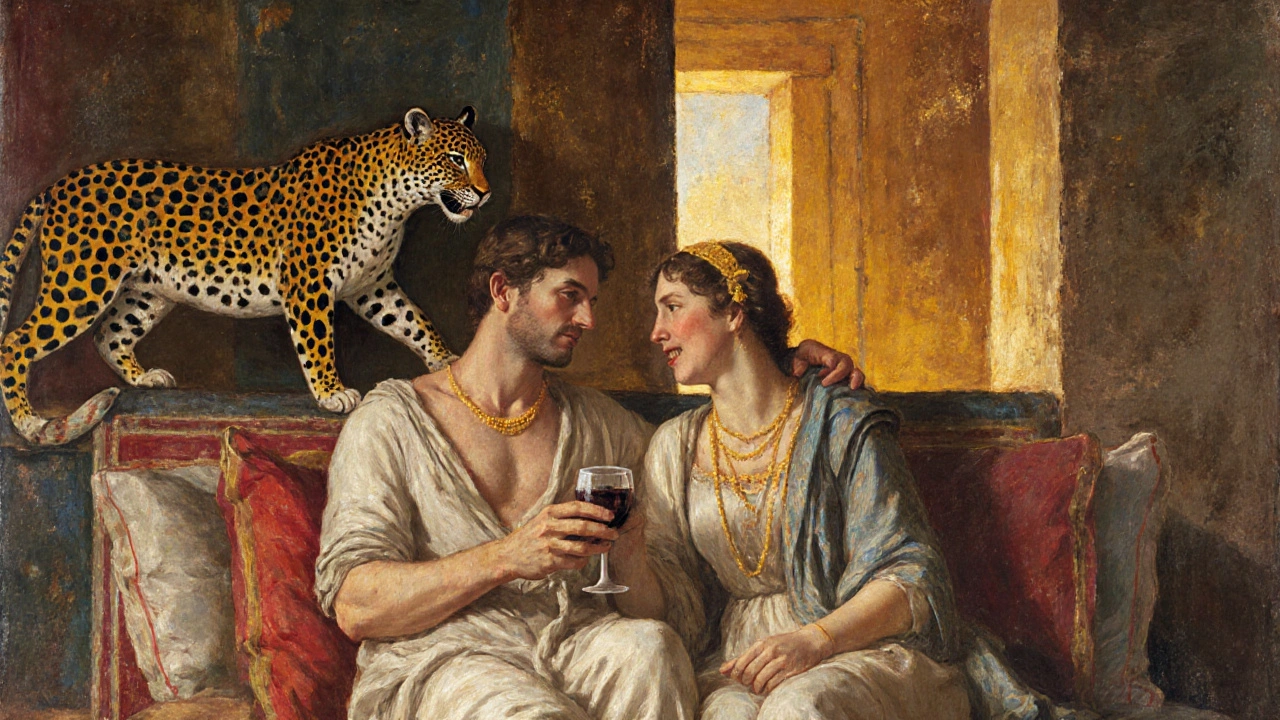
Banquet Scenes and Shared Reclining: How Etruscan Gender Relations Differed from Ancient Greece
Nov 4 2025 / History & ArchaeologyEtruscan banquet scenes reveal women reclining alongside men - a stark contrast to the male-only symposia of classical Athens. This difference reflects deeper cultural values around gender, power, and social equality in ancient Italy.
VIEW MORE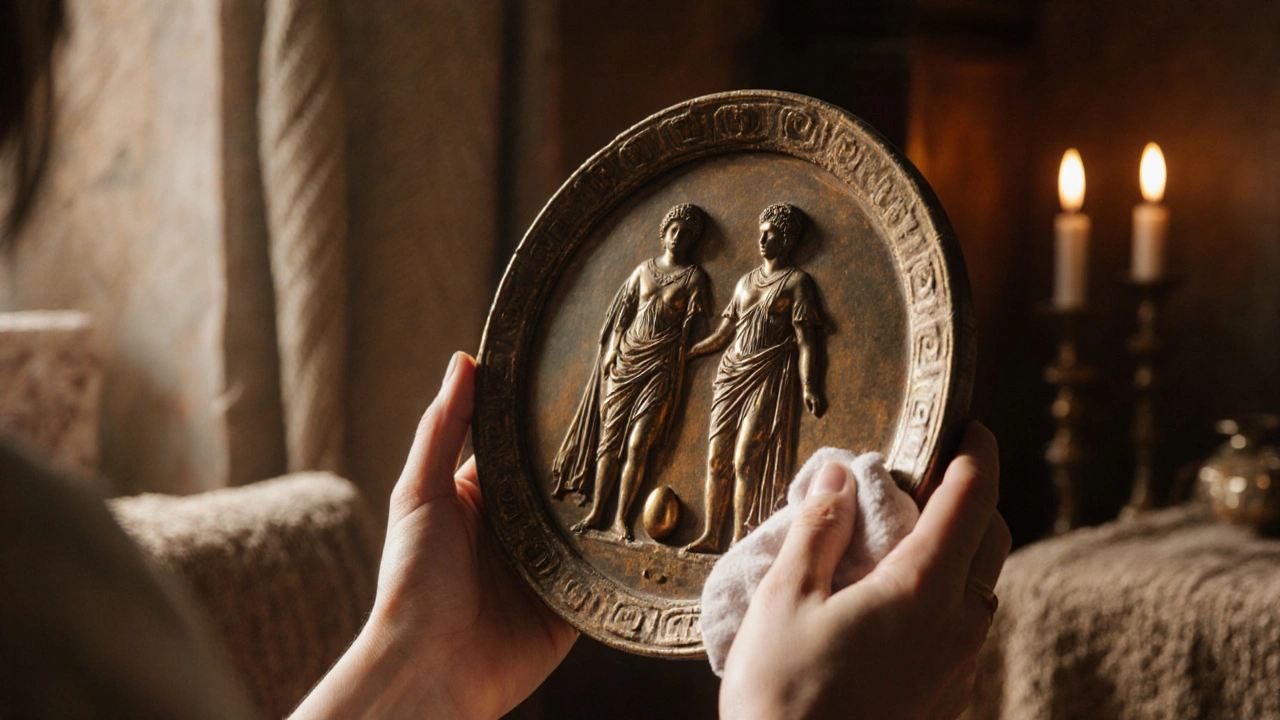
Etruscan Mirrors and Myth: Beauty, Sexuality, and Domestic Power
Oct 24 2025 / History & ArchaeologyEtruscan bronze mirrors reveal how ancient women used beauty, myth, and ritual to claim power in life and death. More than vanity objects, they were spiritual tools linking daily grooming to eternal identity.
VIEW MORE