Feminist Sexuality: How Power, History, and Consent Shape Women's Sexual Autonomy
When we talk about feminist sexuality, a movement that reclaims women’s right to define their own desire, pleasure, and boundaries without shame or control. Also known as sexual autonomy, it’s not just about equality—it’s about dismantling centuries of silence, pathologizing, and erasure that told women their bodies were either dangerous or irrelevant. This isn’t a theory from a textbook. It’s lived experience—from the Victorian doctors who called masturbation a disease, to the wives in medieval Europe whose marriages were legal contracts, not love stories, to the women today still told to quiet down about their orgasms.
Feminist sexuality intersects with gendered narratives, the deep-rooted stories society tells about who women are allowed to be sexually. These stories show up in everything from Freud’s claim that clitoral pleasure was immature, to modern ads that frame female pleasure as a product to be bought. They also show up in consent, not as a simple yes-or-no, but as a cultural practice shaped by power, fear, and silence. When a woman says yes because she’s tired of arguing, or because she fears being called frigid, that’s not consent—it’s survival. Feminist sexuality asks: Who gets to decide what pleasure looks like? And who gets punished for wanting it?
And then there’s sexual shame, the quiet, internalized guilt that still follows many women into adulthood, even when they know better. It’s why women still hide their sex toys, why they apologize after orgasm, why they don’t ask for what they want in bed. But history shows us this shame wasn’t natural—it was manufactured. Victorian doctors sold steam-powered vibrators as medical devices to treat "hysteria." Ancient Egyptians used red lipstick as a symbol of power and sexual authority. Etruscan tombs painted couples having sex not as sin, but as sacred rites. The shame isn’t in our biology—it’s in the rules they forced on us.
What you’ll find below isn’t just a list of articles. It’s a timeline of resistance. From the banned dildo poem of Elizabethan England to the erased lesbian archives, from the medical lies about masturbation to the legal battles over abortion and housing rights—this is how women, queer people, and sex workers fought back. These stories aren’t just history. They’re the blueprint for how we reclaim our bodies today.
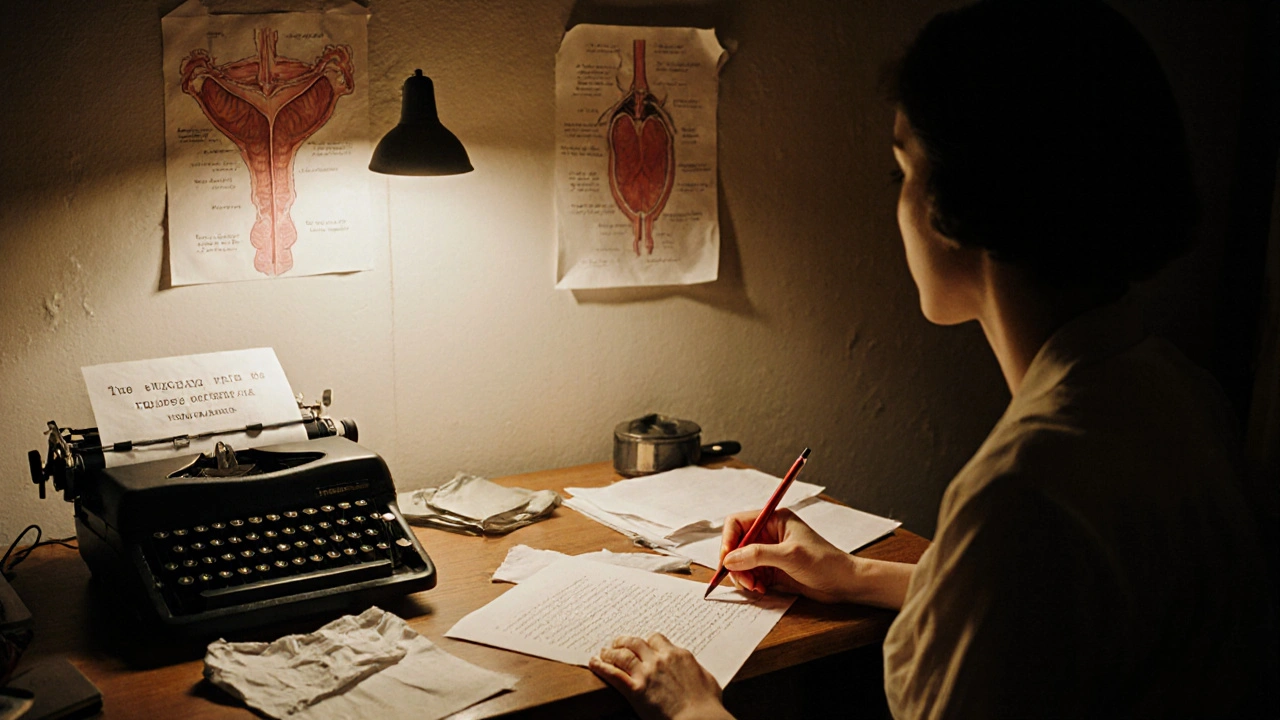
Anne Koedt and the Clitoral Orgasm: How Feminism Changed the Way We Understand Female Pleasure
Nov 9 2025 / History & CultureAnne Koedt's 1968 essay shattered the myth that vaginal orgasms were the mark of mature female sexuality. Her anatomical argument-that all female orgasms are clitoral-transformed feminist thought, sex education, and medical practice. Today, her work remains essential to understanding real female pleasure.
VIEW MORE