Fertility Symbolism in History: Ancient Rituals, Cultural Myths, and Hidden Meanings
When we talk about fertility symbolism, the use of objects, images, and rituals to represent the power of reproduction and life creation. Also known as reproductive symbolism, it’s not just about babies—it’s about control, power, fear, and reverence for the body’s ability to create life. Across cultures and centuries, people didn’t just celebrate fertility—they built entire belief systems around it. From carved figurines with exaggerated hips to temple carvings showing gods and lovers entwined, fertility wasn’t a private matter. It was public, sacred, and deeply political.
Take the Etruscan funerary art, explicit sexual scenes painted on tomb walls to guide souls into the afterlife. These weren’t crude decorations. They were spiritual tools, linking sex, death, and rebirth in one cycle. In Tantric traditions, a spiritual path where sex is used as a path to enlightenment, not just pleasure, fertility symbolism was woven into meditation, breathwork, and ritual union. Even in places like the Khajuraho temples, 10th-century Indian temples covered in erotic carvings meant to reflect cosmic balance, fertility wasn’t about lust—it was about harmony between opposing forces. These symbols weren’t hidden. They were everywhere—on pottery, in hymns, in royal courts—because controlling fertility meant controlling the future.
But fertility symbolism also carried shadows. The same cultures that carved goddesses with swollen bellies also punished women who didn’t bear children. The Victorian era turned female bodies into medical puzzles, pathologizing natural cycles as "hysteria" or "weakness." Even today, the pressure to reproduce lingers in subtle ways—through ads, family expectations, or the silence around infertility. Fertility symbolism didn’t disappear. It just changed shape. It’s in the ultrasound photos framed on walls, in the fertility apps tracking ovulation, in the way we still tie womanhood to motherhood.
What you’ll find here isn’t a list of ancient symbols. It’s the story behind them—the people who made them, the power they served, and how they still echo in how we think about sex, gender, and life itself. From Cleopatra’s red lips signaling power to the hidden lesbian archives erased from history, these posts reveal how fertility has always been more than biology. It’s about who gets to decide what life is worth.
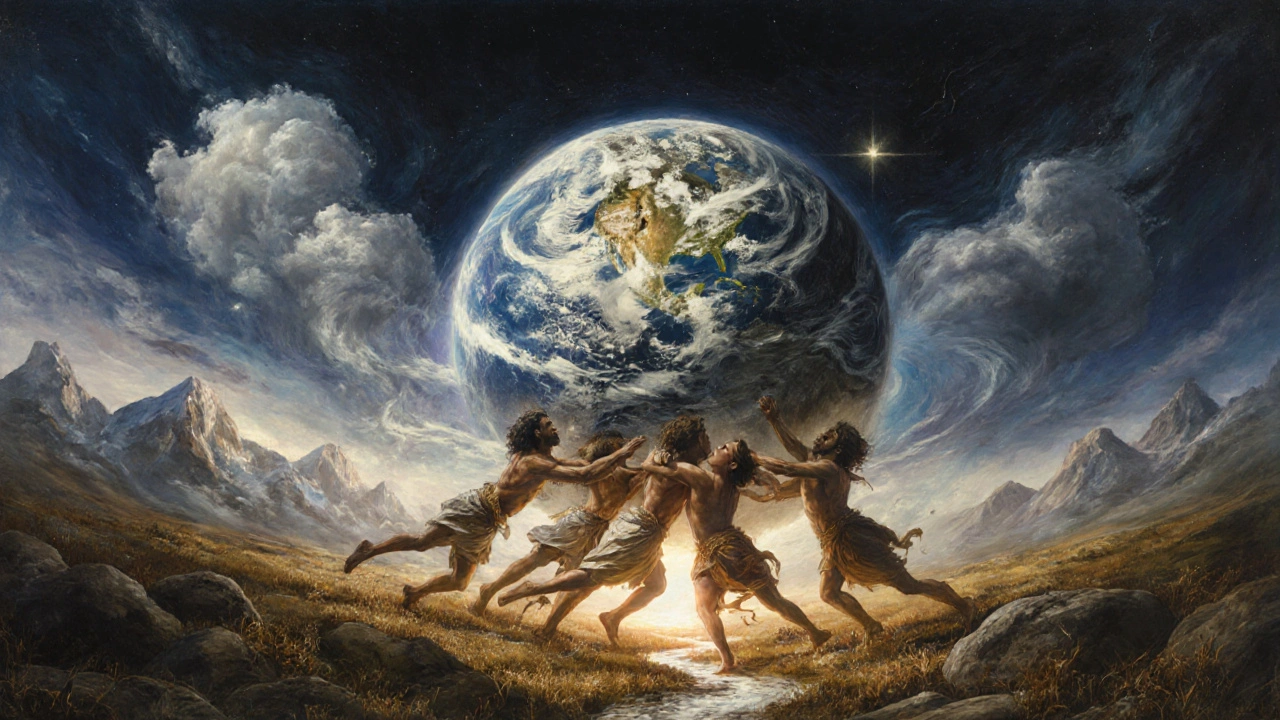
Creation Myths and Gender Dualities: How Male and Female Forces Shape Human Origin Stories
Nov 9 2025 / History & CultureCreation myths across cultures use male-female dualities to explain human origins, but these symbols vary widely-from sun goddesses to two-faced beings. These stories reflect societal values, not universal truths about gender.
VIEW MORE