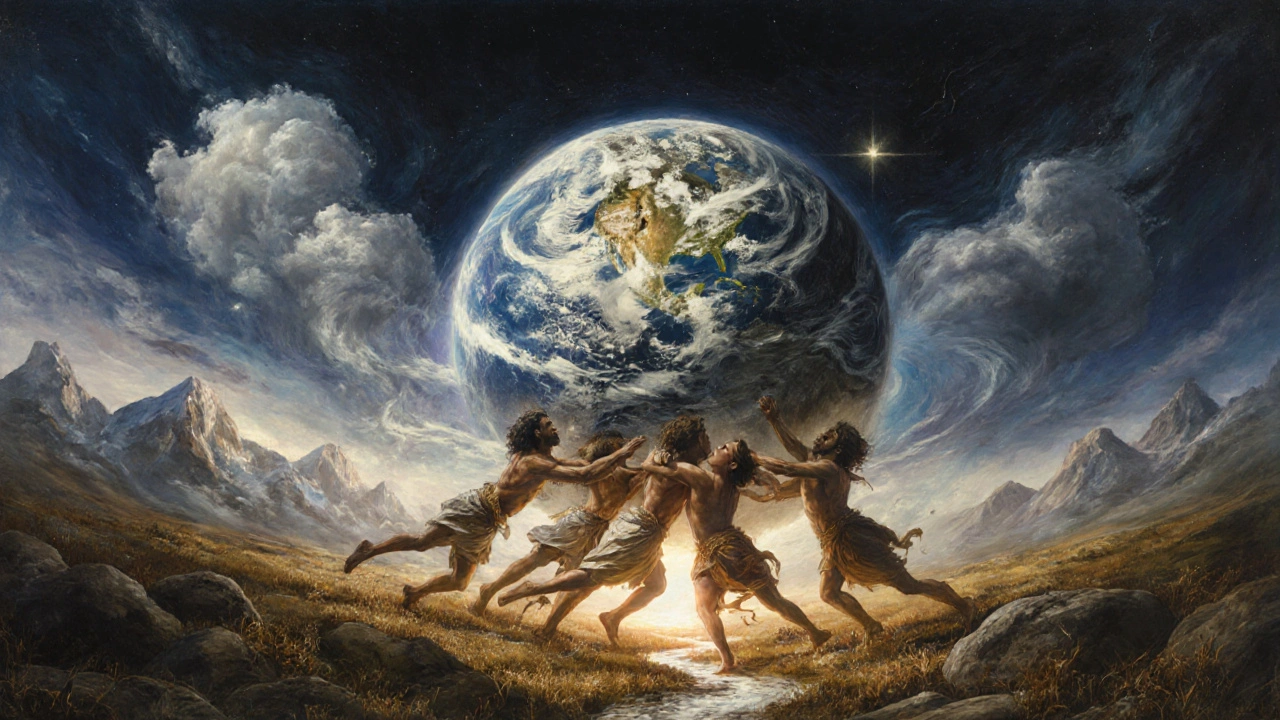
Look at any ancient story about how humans came to be, and you’ll almost always find two forces at work: one seen as male, one as female. They’re not just characters-they’re symbols. The sky and the earth. The sun and the moon. Fire and water. Activity and stillness. These aren’t random pairings. They’re the backbone of how cultures around the world tried to explain life itself.
Why Do Creation Myths Always Pair Male and Female?
It’s not because ancient people thought gender was the only way to understand creation. It’s because they needed a way to make the invisible visible. The forces that birthed the world-chaos, order, growth, stillness-were too big to grasp. So they gave them bodies. Male and female.
In Greek myth, Uranus (Sky) and Gaia (Earth) are locked together so tightly that nothing can be born until their children force them apart. In Polynesian stories, Rangi (Sky Father) and Papa (Earth Mother) are pressed close, their children trapped in darkness until they push them apart to make space for life. The pattern repeats: one force reaches upward, the other holds everything down. One is active, the other receptive. One brings light, the other gives form.
But here’s the thing: this isn’t universal. Not even close.
The Sun Is Not Always Male
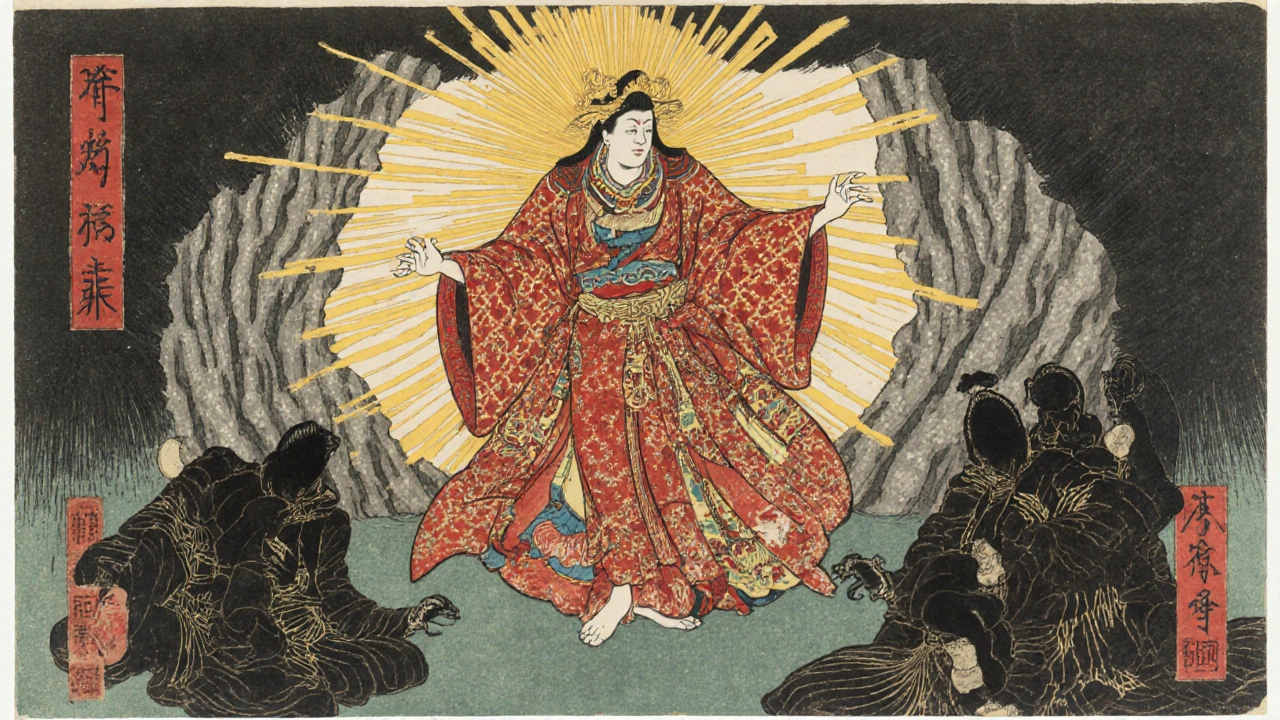
Most people assume the sun is male and the moon is female. That’s what you hear in Western stories. But in Japan, Amaterasu-the sun goddess-is the most important deity in Shinto. She’s the one who brings light, order, and life. Her brother, Tsukiyomi, is the moon god-and he’s barely noticed in comparison.
And it’s not just Japan. In ancient Egypt, Sekhmet and Bast were lion-headed goddesses linked to the sun’s heat and power. In Celtic myth, Sulis and Aine were solar deities. These weren’t exceptions. They were the rule in their cultures. The idea that the sun must be male? That’s a cultural filter, not a cosmic law.
Even the earth isn’t always passive. In Indigenous American stories, Spider Woman doesn’t wait for a male god to act. She weaves the world into being. She guides humans from one world to the next. In Iroquois myth, a female sky deity falls from above, and animals dive into the ocean to bring up mud so she can create land. She doesn’t need a partner. She starts it all.
Genesis: Two Different Stories, Two Different Rules
The Bible doesn’t give one creation story-it gives two, and they don’t match.
In Genesis 1, God creates humans as male and female at the same time. Right out of the gate. No hierarchy. No order. Just: “Let them be made in our image.” The Hebrew word for human, adam, isn’t a name here-it’s a category. And it includes both genders equally. This isn’t about roles. It’s about potential. The ability to reproduce. To continue. To be whole.
Then comes Genesis 2. And everything changes.
Now there’s one man, made from dirt. He names the animals. He’s alone. Then God takes a rib and makes a woman from him. She’s secondary. She’s made for him. And later, she’s the one who eats the fruit first. The snake talks to her. The blame falls on her. This version doesn’t just tell a story-it sets a tone. One that shaped Western ideas about gender for centuries.
But here’s a twist from Jewish tradition: Midrash says Adam was originally created with two faces-one male, one female. Only later was he split into two separate beings. That changes everything. It means difference wasn’t the beginning. Unity was. Separation came after.
When Mythology Breaks the Binary
Not all cultures saw gender as two fixed boxes. Some saw it as a spectrum-or even a third option.
In ancient Greece, Hermaphroditus was a deity with both male and female physical traits. The name itself gave us the word “hermaphrodite.” In Anatolia, Agdistis was a god who had both sets of genitals and was so powerful, the other gods feared them. They didn’t erase Agdistis-they worshipped them. They didn’t force them into a box-they let them be whole.
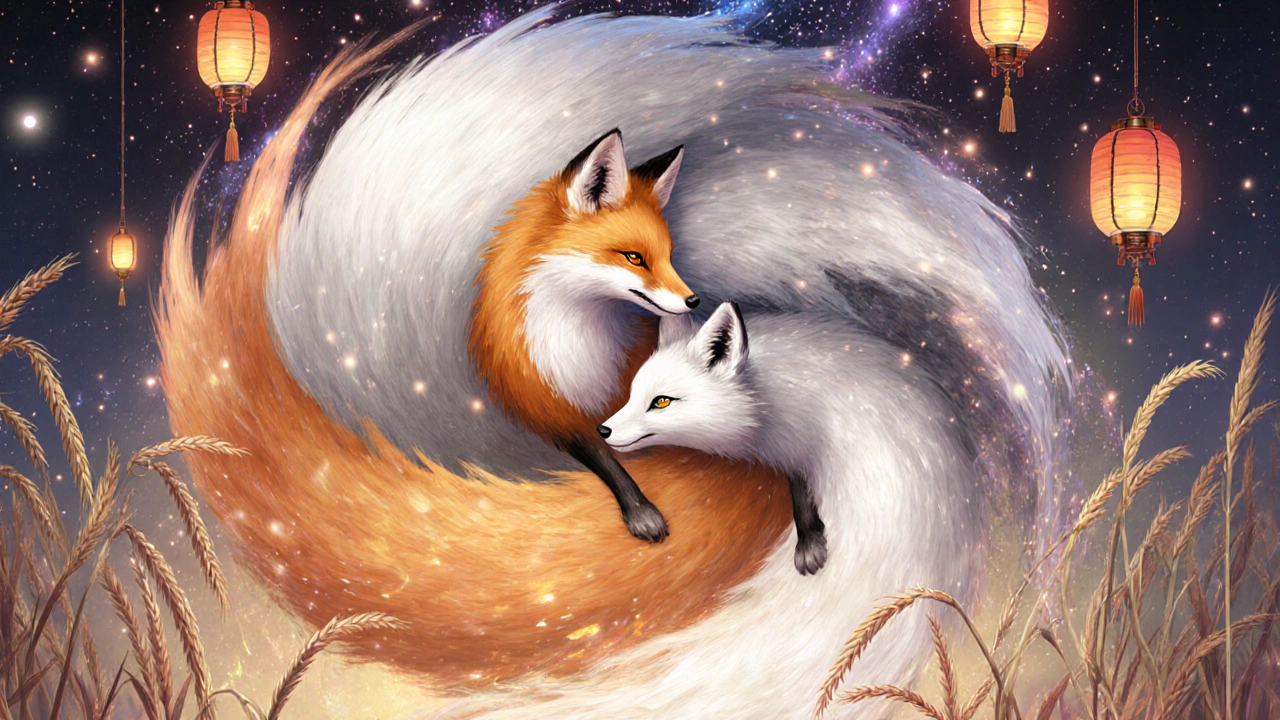
In Shinto, Inari-sama is often shown with two foxes: one male, one female. But together, they’re not a couple. They’re one entity. A single force that holds all aspects of life-fertility, abundance, transformation. No need to choose. No need to divide.
These weren’t just oddities. They were theological statements. The divine doesn’t have to fit our categories. And maybe neither do we.
What These Myths Really Tell Us
These stories aren’t about biology. They’re about how societies organize themselves.
The Sky Father and Earth Mother? That’s a reflection of patriarchal farming cultures where men controlled land and women were tied to reproduction. The earth-diver myth, where a woman falls from the sky and creates land? That’s a culture that saw women as the source of renewal, not just the vessel for it.
The fact that some cultures gave the sun to women? That’s a culture where feminine power wasn’t feared-it was honored. Where fertility wasn’t just about having children, but about the land’s ability to grow, the seasons turning, the cycles continuing.
These myths aren’t just old tales. They’re mirrors. They show us what each culture valued. What they feared. What they believed was sacred.
Modern Myths Are Still Being Written
Today, people are rewriting these stories-not by digging up ancient texts, but by living differently.
Modern Wiccans don’t see the earth as cold and passive. They see it as alive, pulsing, fierce. They don’t worship a sky god and earth goddess because they think that’s how the universe works. They worship them because it helps them feel connected-to nature, to each other, to themselves.
LGBTQ+ spiritual communities look at Hermaphroditus and Agdistis and say: “We’ve always been here.” They don’t need to be accepted into old myths. They are the myths.
And scholars? They’re finally listening. Not to prove that one version is right, but to understand how these stories shaped-and still shape-how we see gender, power, and belonging.
The real lesson isn’t in who created whom. It’s in how we keep choosing to tell the story.
Maybe the next creation myth won’t be about male and female. Maybe it’ll be about many. Or none. Or something we haven’t named yet.
But one thing’s certain: as long as humans ask where we came from, we’ll keep making stories. And those stories will keep changing-with us.