Fort Lauderdale AIDS crisis
When the Fort Lauderdale AIDS crisis, the local outbreak of HIV/AIDS in the early 1980s that exposed systemic neglect of LGBTQ+ communities. Also known as the South Florida AIDS epidemic, it was one of the first major hotspots outside New York and San Francisco where gay men, drug users, and sex workers were left to die without government support or public compassion. This wasn’t just a medical emergency—it was a social collapse. Hospitals ran out of beds. Families disowned their sons. Funeral homes refused to take bodies. And still, no one in power would say the word "AIDS" out loud.
The HIV epidemic, the global spread of the human immunodeficiency virus that led to the AIDS pandemic hit Fort Lauderdale hard because of its dense coastal population, thriving gay nightlife, and lack of public health infrastructure. By 1985, Florida had the third-highest number of AIDS cases in the U.S. Local activists—many of them young men who had moved there for the beach, the freedom, or the nightlife—started organizing in basements and church halls. They handed out condoms made from plastic bags. They drove dying friends to clinics that didn’t want them. They held vigils where no politicians showed up. And they forced the truth into the open: this disease didn’t care about your politics, your religion, or your sexual orientation—it only cared if you had access to care.
The LGBTQ+ health, the movement to secure medical rights, testing, and dignity for lesbian, gay, bisexual, transgender, and queer people during the AIDS crisis movement in Fort Lauderdale didn’t wait for permission. Volunteers ran phone hotlines with names like "The AIDS Line." They turned vacant apartments into safe houses. They taught each other how to give IVs, how to recognize pneumonia, how to hold someone’s hand as they stopped breathing. These weren’t doctors. They were barbers, waiters, dancers, students. And they saved lives when the system failed.
Today, the antiretroviral therapy, modern drug regimens that suppress HIV to undetectable levels, turning a death sentence into a manageable condition that keeps people alive didn’t come from a lab alone—it came from the rage of people who refused to be erased. The science behind today’s treatments was built on the data collected by those who fought in the streets of Fort Lauderdale, Miami, and Tampa. Their stories are buried in old newsletters, faded flyers, and quiet memorials. But they’re not gone. They’re why you can live with HIV now. They’re why testing is free. They’re why someone can walk into a clinic without fear.
What follows is a collection of articles that don’t just talk about history—they show how power, silence, and survival shaped the way we understand sex, health, and justice today. You’ll find stories about medical myths, erased identities, and the quiet revolutions that changed everything. This isn’t just about the past. It’s about who we were, who we became, and what we still owe to those who didn’t make it out.
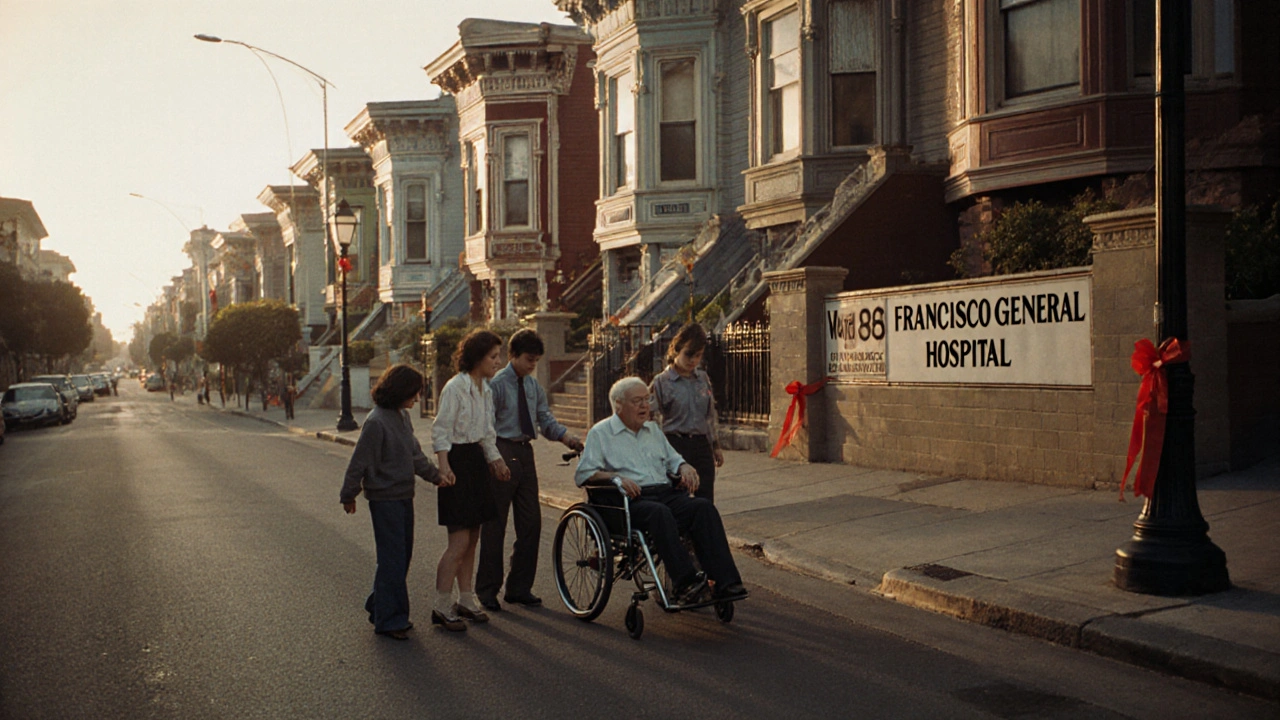
Cities Hit Hardest by AIDS: San Francisco, New York, Fort Lauderdale
Oct 24 2025 / History & CultureSan Francisco, New York, and Fort Lauderdale were among the hardest-hit U.S. cities during the AIDS epidemic. Learn how community action saved lives in San Francisco, why New York struggled, and why Fort Lauderdale’s crisis was largely overlooked.
VIEW MORE