Gay Community History: From Raids to Rights, the Fight for Visibility
When we talk about gay community history, the collective struggle and resilience of LGBTQ+ people to claim space, dignity, and legal protection over centuries. Also known as LGBTQ+ history, it’s not just about milestones—it’s about the everyday acts of courage that kept people alive when being open could cost them everything. This isn’t a story of passive victims. It’s about bar owners who defied laws, drag queens who fought back at Stonewall, teachers who hid their identities to keep their jobs, and lovers who wrote letters they knew would be burned.
The Stonewall Uprising, the 1969 rebellion at a New York gay bar after a police raid. Also known as Stonewall riots, it became the spark that turned quiet resistance into a mass movement. Before Stonewall, police raids on gay bars were routine. Officers would drag people out in handcuffs, publish their names in newspapers, and destroy their lives. But on June 28, 1969, someone threw the first brick—and the crowd didn’t scatter. They fought. That night didn’t create the gay rights movement, but it gave it a name, a date, and a roar that couldn’t be silenced. The same police raids on gay bars, systematic harassment tactics used across the U.S. and Europe to control queer spaces. Also known as gay bar crackdowns, they were legal tools of oppression for decades. And yet, those same bars became sanctuaries. They were where people found love, found family, found the courage to demand change.
But visibility didn’t come without cost. bisexual erasure, the repeated denial or invisibility of bisexual identities within both straight and LGBTQ+ spaces. Also known as biphobia, it’s still a quiet force today—making people feel like they don’t belong in either world. Meanwhile, lesbian history was wiped from archives, trans voices were excluded from early activism, and queer people of color were pushed to the margins. The fight for LGBTQ+ rights, the ongoing legal and social campaign for equal treatment in housing, employment, healthcare, and marriage. Also known as queer rights, it’s not a single victory—it’s a chain of small, hard-won battles. Some were won in courtrooms. Others were won in living rooms, when a parent finally listened. Others were won in silence, when someone chose to live openly despite the risk.
What you’ll find here isn’t a polished textbook. It’s the raw, unfiltered truth—the banned poems, the hidden archives, the medical myths, the stolen pleasure, the legal battles that never made the headlines. These are the stories that didn’t fit into the mainstream narrative. The ones that prove the gay community history isn’t just about pride marches. It’s about survival. It’s about the people who refused to disappear—and the world that finally had to see them.
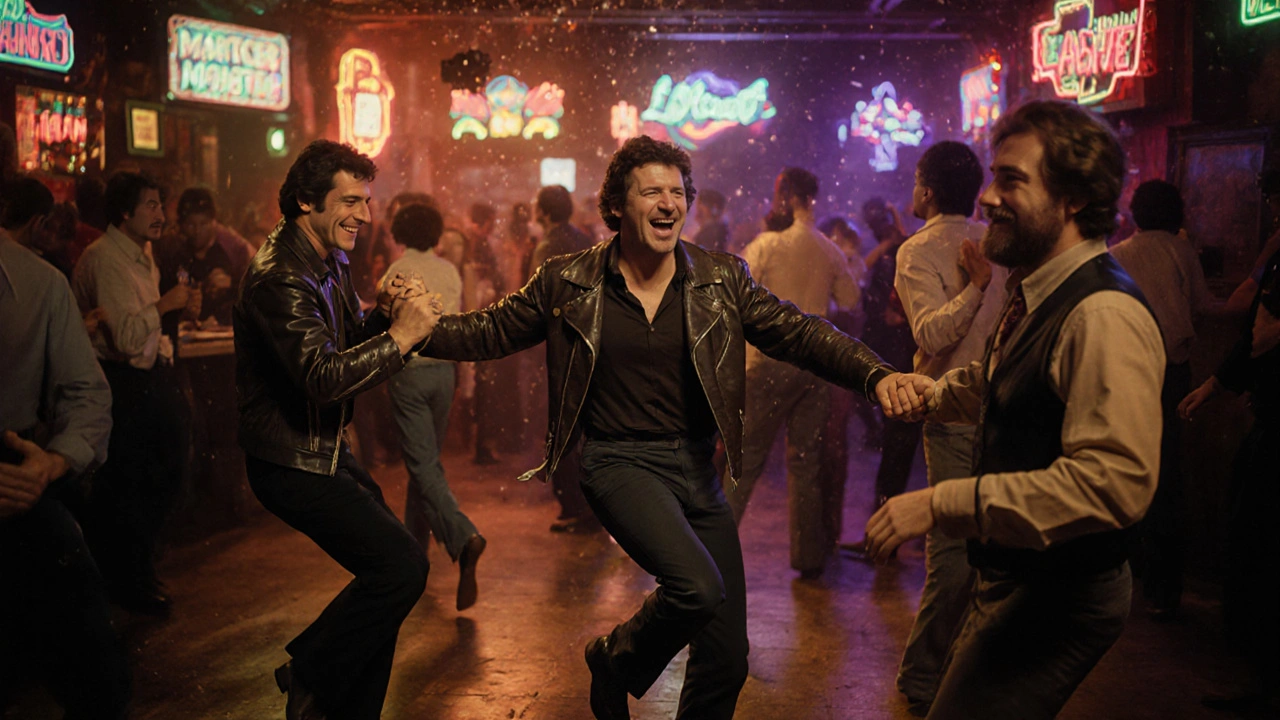
Decline of Sexual Optimism: How AIDS Changed American Sexuality Forever
Nov 26 2025 / History & CultureThe AIDS epidemic shattered the sexual optimism of the 1970s, forcing a radical shift in how Americans approach sex, intimacy, and health. What began as a crisis of disease became a revolution in sexual responsibility.
VIEW MORE