AIDS Era Sexual Behavior Calculator
Based on the article's data: In 1991, 80% of gay and bisexual men reduced partners, over 50% started using condoms, and 22% reported having no sexual partners. This calculator shows how these changes would have affected HIV transmission risk.
Estimated Risk Reduction
Pre-AIDS transmission rate:
Post-AIDS transmission rate:
Risk reduction:
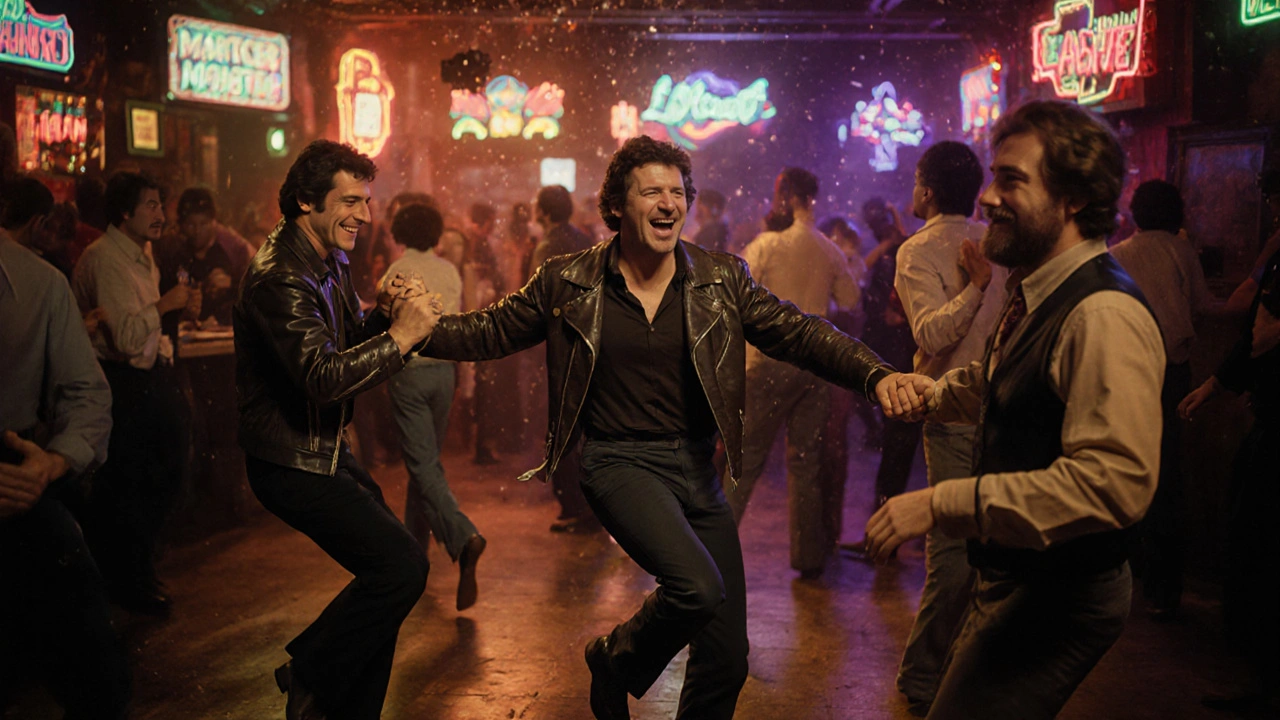
Before AIDS, sex was freedom. In the 1970s, gay men in cities like San Francisco and New York weren’t just surviving-they were celebrating. Bars stayed open late. Casual encounters were common. Sex wasn’t just pleasure; it was identity, protest, and community. The Stonewall riots had sparked a movement, and for a decade, sexual liberation felt like victory. But by 1981, everything changed. Five young gay men in Los Angeles were diagnosed with a rare pneumonia. Then came the skin lesions. Then the deaths. No one knew what it was. But they knew it was spreading-and it was killing.
The End of Sexual Optimism
"Sexual optimism" wasn’t just a phrase. It was a way of life. It meant believing that more sex meant more freedom, more connection, more power over a society that had long tried to silence queer people. The Kinsey Reports had already shown that human sexuality was far messier, far more varied than anyone had admitted. But AIDS didn’t just challenge that freedom-it shattered it. By 1983, the CDC had confirmed what many already feared: this wasn’t just a disease. It was a death sentence tied to sex. And the people most affected-gay and bisexual men-were the same ones who had fought hardest for the right to be open about their bodies. Suddenly, the very thing that had brought them together was now the thing that could kill them.Behavior Changed Overnight
The numbers don’t lie. In 1986, only 16% of gay and bisexual men had ever been tested for HIV. By 1991, two-thirds had. That’s not just awareness-it’s survival instinct kicking in. A 1991 RAND Corporation study found that 80% of gay and bisexual men had cut back on partners. More than half started using condoms regularly. One in three stopped anal sex altogether. Eleven percent stopped having sex entirely. In Los Angeles, 22% of respondents reported having no sexual partner at all. That’s not a trend. That’s a cultural reversal. And it wasn’t just gay men. A New York Times/CBS poll that same year showed 20% of all U.S. adults changed their sexual habits because of AIDS. Over half of single adults under 45 were more careful. Condom use went up. Casual hookups dropped. People started asking questions before they got naked. The era of "don’t ask, don’t think" was over.Stigma Was a Killer Too
The virus didn’t just spread through blood and semen. It spread through fear. And fear turned into hate. People with AIDS were kicked out of apartments. Doctors refused to touch them. Employers fired them. Families disowned them. Obituaries listed "pneumonia" or "cancer" as the cause of death-never AIDS. Surviving partners couldn’t claim life insurance or Social Security. They were treated like pariahs, even as they buried their lovers. The term "Four-H Club"-homosexuals, hemophiliacs, heroin users, Haitians-wasn’t just slang. It was policy language. It framed AIDS as a punishment, not a public health crisis. And it worked. For years, the government did nothing. President Reagan didn’t mention AIDS publicly until 1985. By then, over 12,000 Americans had died.
Activism Rose from the Ashes
But people didn’t just wait to die. They fought back. Larry Kramer’s 1983 essay, "1,121 and Counting," was a scream into the silence. He didn’t ask for sympathy. He demanded action. "Where is the anger?" he wrote. "Where is the outrage?" That essay lit a fire under ACT UP, the militant group that stormed FDA offices, blocked traffic, and forced drug companies to speed up treatments. They didn’t just want medicine. They wanted dignity. They wanted to be seen as human, not as statistics. Their protests led to faster drug approvals, better insurance coverage, and the first real federal funding for HIV research. Without them, we wouldn’t have the treatments we have today.Celebrities Changed the Narrative
When Rock Hudson died in 1985, the world took notice. He wasn’t just a movie star-he was a symbol of Hollywood’s hidden queer life. His death made AIDS real to straight America. Then came Freddie Mercury. His quiet battle and public death in 1991 forced even the most resistant to confront the human cost. But it was Magic Johnson’s 1991 announcement-"I am HIV-positive"-that shifted the needle most. He wasn’t a drug user. He wasn’t gay. He was a beloved athlete, a family man. His diagnosis shattered the myth that AIDS only happened to "those people." Suddenly, the disease wasn’t a punishment. It was a possibility. And that changed everything.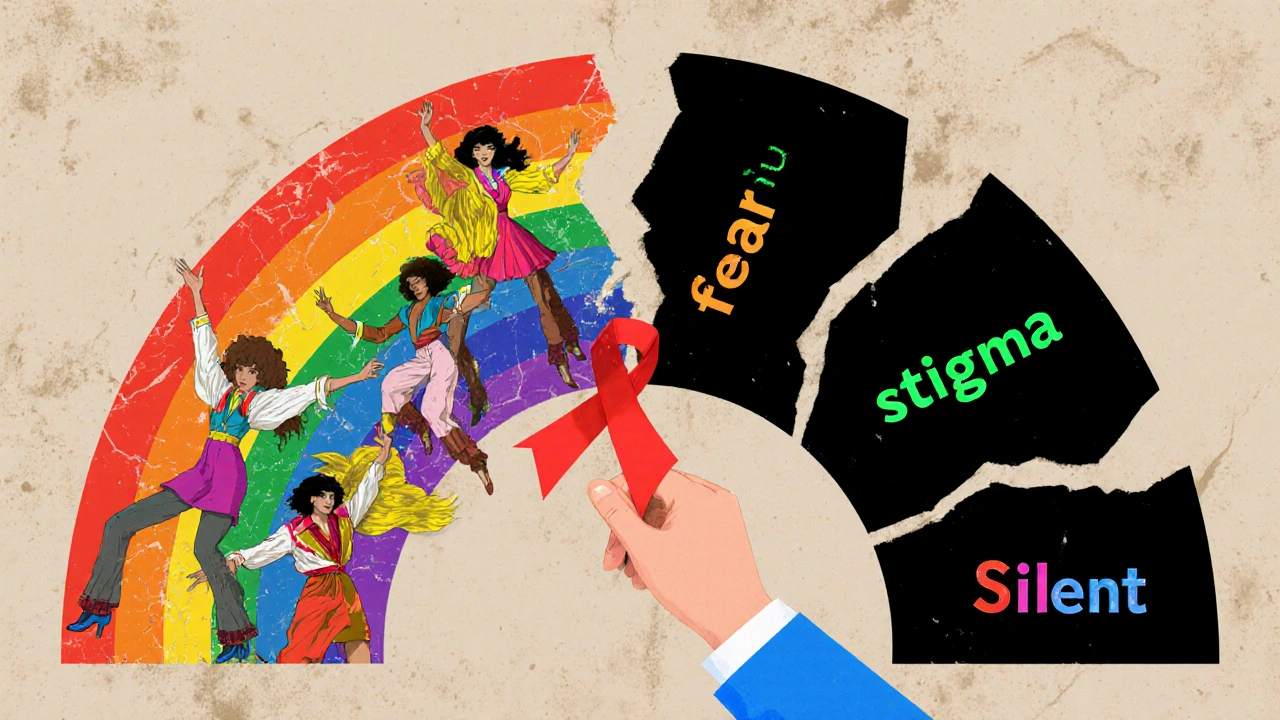
The Long Shadow of AIDS
Today, we have PrEP. We have antiretroviral therapy that lets people with HIV live long, healthy lives. We have U=U-undetectable equals untransmittable. We have more tools than ever. But the mindset? That didn’t go away. The idea that sex requires negotiation, that trust isn’t enough, that you ask about status before you get naked-that’s the legacy of AIDS. It’s not fear. It’s responsibility. And it’s here to stay. Even in casual hookups, people check apps for HIV status. Conversations about testing are normal. Condoms are standard, not optional. The sexual revolution didn’t die-it evolved. It became more cautious, more informed, more human. The pre-AIDS era of uninhibited freedom? It’s gone. Not because we lost courage, but because we learned that freedom without awareness is dangerous. And that lesson cost too many lives to forget.What We Lost-and What We Gained
We lost the innocence of a time when sex felt limitless. We lost friends. We lost lovers. We lost entire communities. But we also gained something: a new kind of intimacy. One built on honesty. On communication. On mutual care. The AIDS crisis didn’t end sexual freedom. It forced us to redefine it. Not as quantity, but as quality. Not as anonymity, but as accountability. Not as rebellion, but as resilience. Today, when a young queer person walks into a clinic for PrEP, they’re not just taking a pill. They’re stepping into a legacy-one shaped by grief, anger, and courage. The decline of sexual optimism wasn’t the end of sex. It was the beginning of a more thoughtful, more compassionate way to have it.What was sexual optimism before AIDS?
Sexual optimism was the belief, especially in gay communities after Stonewall, that sexual freedom was a form of political and personal liberation. In the 1970s, open sexual expression-casual encounters, multiple partners, public cruising-was seen as a way to reclaim identity from a hostile society. It was tied to the broader cultural shift toward personal autonomy, influenced by the Kinsey Reports and the rise of gay liberation movements.
How did AIDS change sexual behavior among gay men?
By the early 1990s, 80% of gay and bisexual men had reduced their number of sexual partners. Over half increased condom use, one-third stopped anal sex, and 11% became celibate. HIV testing rates jumped from 16% in 1986 to over 60% by 1991. These weren’t minor adjustments-they were radical shifts in daily life, driven by fear, grief, and community solidarity.
Why did stigma make the AIDS crisis worse?
Stigma turned a public health crisis into a moral one. People with AIDS were blamed for their illness, labeled as immoral or sinful. This led to discrimination in housing, employment, and healthcare. Families abandoned loved ones. Medical professionals refused treatment. The "Four-H Club" label dehumanized victims and delayed funding. Stigma kept people from getting tested, seeking help, or speaking out-making the epidemic harder to contain.
Did AIDS affect straight people’s sexual behavior too?
Yes. A 1991 New York Times/CBS poll found that 20% of all U.S. adults changed their sexual habits because of AIDS. More than half of single adults under 45 reported using condoms more often or limiting partners. The fear of HIV made safer sex a mainstream concern, not just a gay community issue. It reshaped dating norms across demographics.
How did activism respond to the AIDS crisis?
Activists like those in ACT UP forced the government and pharmaceutical companies to act. They staged protests, occupied FDA offices, and demanded faster drug approvals. Their efforts led to the approval of AZT in record time and later, combination therapies. They also fought for insurance rights, research funding, and public education. Without their pressure, treatments would have taken decades longer to reach people.
Is the legacy of AIDS still visible today?
Absolutely. Modern HIV prevention tools like PrEP and U=U are built on the lessons of the crisis. Today’s conversations about testing, status disclosure, and condom use are direct results of the behavioral changes that began in the 1980s. The idea that sex requires communication, not just desire, is now standard. The emotional weight of sexual decisions hasn’t disappeared-it’s just been transformed into responsibility.