Gay Liberation: The Movement That Changed Sex, Law, and Identity
When gay liberation, a grassroots movement demanding equal rights and public visibility for LGBTQ+ people, especially after decades of criminalization and medical pathologization. Also known as LGBTQ+ rights movement, it didn't start with parades—it started with cops breaking down doors. In the 1950s and 60s, being openly gay meant risking arrest, job loss, or forced electroshock therapy. Bars were raided. Names were published. Families were torn apart. But then came Stonewall—and everything changed.
Stonewall uprising, the 1969 rebellion at a New York gay bar after yet another police raid, became the flashpoint that turned quiet resistance into a public demand for freedom. Also known as Stonewall riots, it was led by transgender women of color, drag queens, and homeless youth—people society had thrown away. This wasn’t just about drinking in peace. It was about existing without fear. Around the same time, police raids on gay bars, systematic harassment tactics used to shut down queer spaces under vague "morality" laws. Also known as gay bar crackdowns, they were routine, brutal, and designed to humiliate. But after Stonewall, those raids met organized resistance. People fought back. And they kept fighting—through lawsuits, marches, and by simply refusing to hide.
The fight didn’t stop at the bar door. bisexual erasure, the habit of ignoring or denying bisexual identities even within LGBTQ+ spaces. Also known as biphobia, it kept many people silent, forcing them to choose between gay or straight. That silence was part of the same system that labeled homosexuality a mental illness until 1973. The same system that censored lesbian history in archives, erased same-sex relationships in textbooks, and called male intimacy "abnormal." Gay liberation challenged all of it—not just laws, but the stories we were told about love, gender, and who deserved to be seen.
What you’ll find below isn’t just history. It’s the chain reaction. The articles here trace how police violence led to legal change, how medical myths were shattered by activists, and how silence became a weapon—and then a target. From the banned erotic poems of Elizabethan England to the hidden sexual art of ancient Etruscans, these stories show that the fight for gay liberation wasn’t new. It was always there—just buried. Now, it’s out in the open.
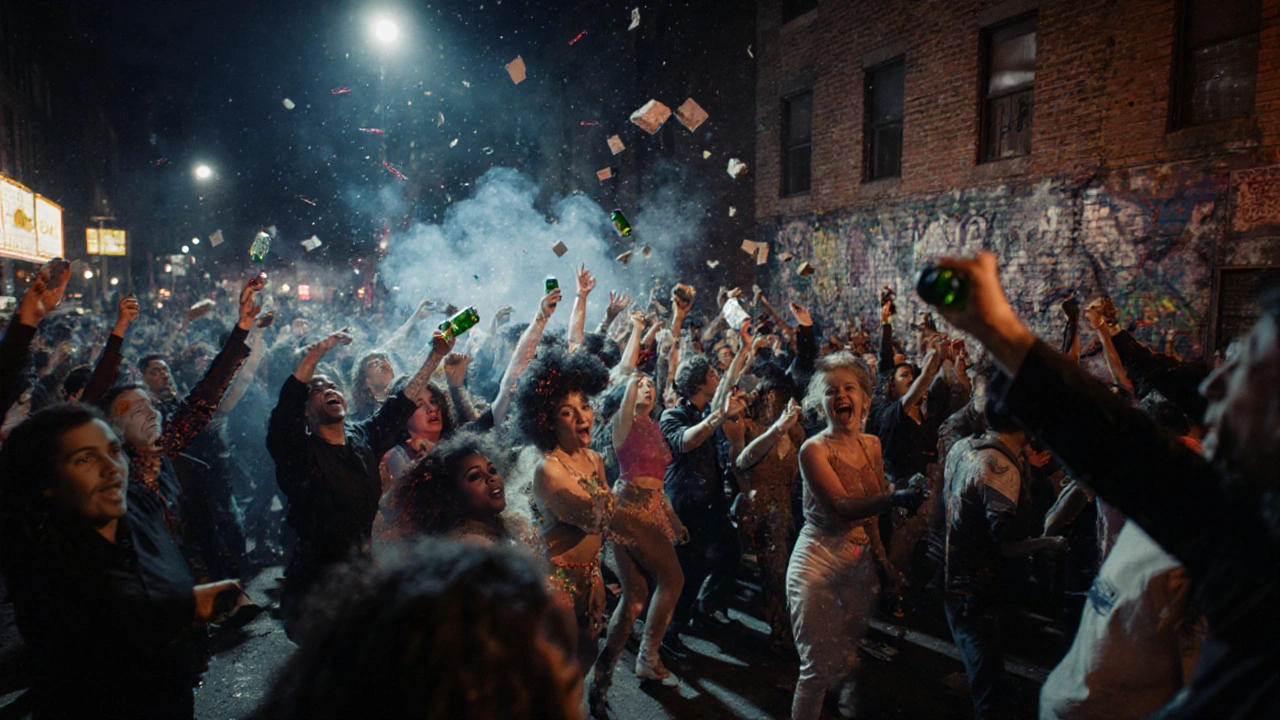
Counterculture, Feminism, and Gay Liberation: How These Movements Changed America
Oct 24 2025 / History & CultureThe counterculture, feminism, and gay liberation movements of the 1960s and 70s reshaped American views on gender and sexuality. Born from Stonewall and fueled by radical activism, they turned personal identity into political power-and their legacy still shapes today's fights for equality.
VIEW MORE