LGBTQ+ History Quiz
Test Your Knowledge
Answer the questions below to see how much you know about the Stonewall Uprising and the movements that changed America.
What was the Stonewall Uprising?
How did feminism and gay liberation connect?
Why was coming out such a powerful strategy?
Who were the key figures in the gay liberation movement?
How did these movements influence today's LGBTQ+ rights?
Before the 1960s, being openly gay, questioning gender roles, or rejecting mainstream values was dangerous. People lost jobs, families, and freedom just for being themselves. Then, in a single summer, everything began to shift. The Stonewall Uprising in June 1969 didn’t start the fight-but it turned a quiet struggle into a roar. What followed wasn’t just a protest. It was a full-scale reimagining of who people could be, how they could love, and what society owed them.
Stonewall Wasn’t the Beginning-It Was the Spark
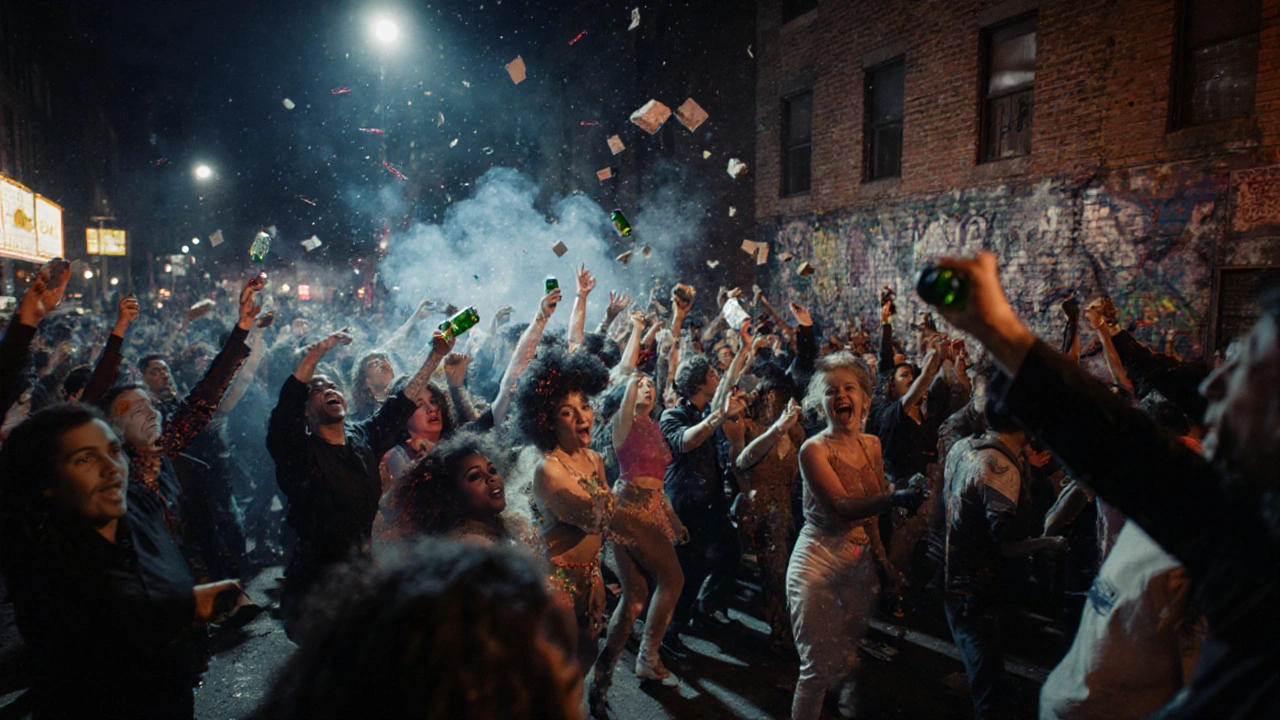
The raid on the Stonewall Inn wasn’t the first time police targeted gay bars. It happened all the time. But this time, the crowd didn’t run. They fought back. For six days, people in New York’s Greenwich Village stood their ground. Drag queens, trans women of color, homeless teens, and straight allies threw bottles, bricks, and fury at the cops. Mark Segal, who was there, said it best: "We were joyous. We were so happy that night! Because we were fighting back! And we have never done so before." What made Stonewall different wasn’t the violence-it was the aftermath. Within weeks, the Gay Liberation Front was born. They didn’t ask for permission. They didn’t beg for tolerance. They demanded complete freedom. Their slogan? "Complete sexual liberation for all people cannot come about unless existing social institutions are abolished." This wasn’t about assimilation. It was about revolution.The Counterculture Gave Them the Tools
The counterculture of the 1960s didn’t invent gay rights, but it gave them a language and a playbook. Hippies rejected authority, experimented with drugs, lived in communes, and believed love should be free. Gay activists saw that. They borrowed the same energy. They held consciousness-raising circles in living rooms, just like feminists did. They formed collectives where people lived together, shared chores, and questioned monogamy. They published newspapers like Come Out!-not to inform, but to awaken. The counterculture taught them that personal life was political. If you were told your sexuality was sick, you didn’t just need legal rights-you needed to redefine what normal meant. That’s why so many early gay activists also rejected traditional marriage, gender roles, and even the nuclear family. They weren’t just fighting police. They were fighting the idea that anyone had the right to tell them how to live.Feminism Didn’t Just Parallel Gay Liberation-It Clashed With It
Feminism and gay liberation moved side by side, but they didn’t always get along. In 1970, a group of lesbian feminists called the Lavender Menace stormed a National Organization for Women conference. Why? Because straight feminists kept pushing them out. "We don’t want lesbians in our movement," some said. "They scare the public." So the Lavender Menace turned the tables. They took over the stage, handed out flyers, and declared: "The Lesbian is the Feminist.” They forced feminism to confront its own homophobia. And it worked. By 1971, NOW officially supported lesbian rights. But the tension didn’t vanish. Many gay men still saw feminism as a women’s issue-not theirs. And many straight feminists still didn’t understand why gay men were so angry. The real turning point came when trans women were banned from Pride events and lesbian gatherings. In 1971, a newsletter called Trans Liberation hit the streets with one line: "All power to Trans Liberation." It wasn’t just a demand. It was a warning. The movements were too narrow. They were leaving out the people who needed them most.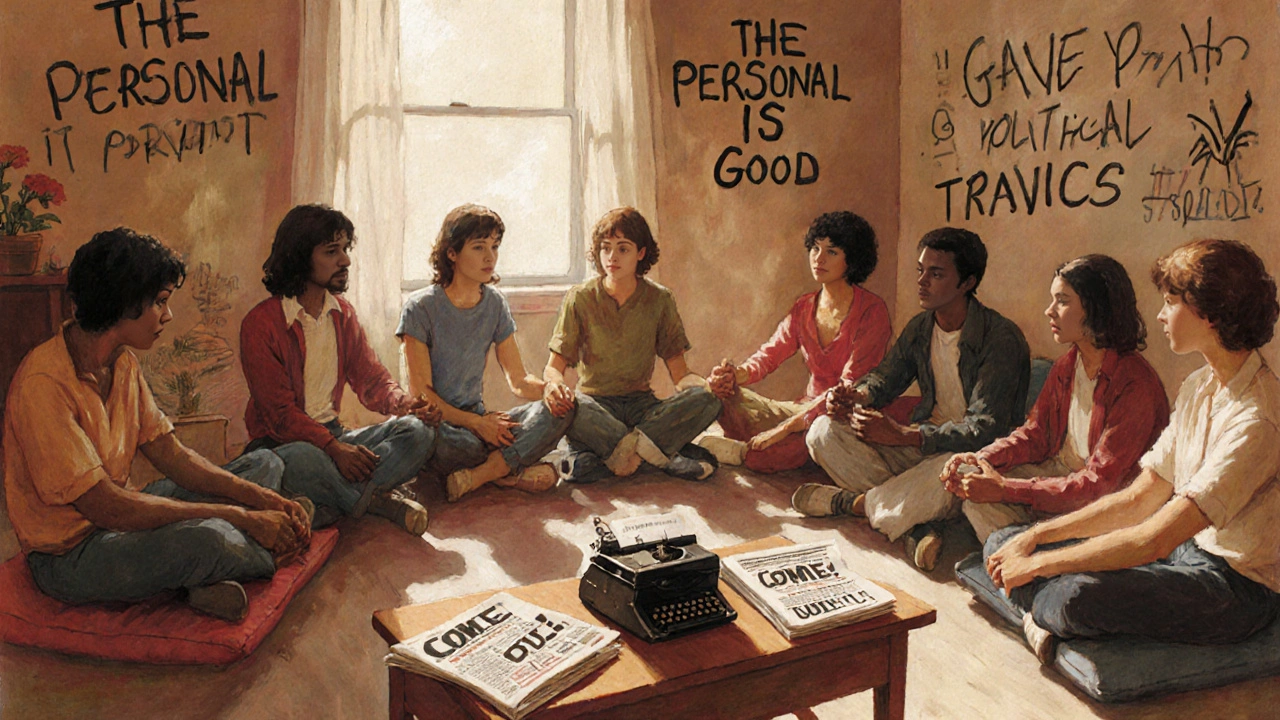
Who Got Left Behind?
History remembers Stonewall as a moment led by white, cisgender gay men. But that’s not the full story. Marsha P. Johnson, a Black trans woman, was one of the first to throw a bottle that night. Sylvia Rivera, a Latina trans activist, stood beside her. Both were pushed to the edges of the movement they helped start. The Gay Liberation Front donated $500 to the Black Panthers in 1969. It was a bold gesture-solidarity between two oppressed groups. But it backfired. Some white gay activists lost support because the Panthers had made homophobic remarks. Meanwhile, people of color in the LGBTQ+ community were still being kicked out of their homes, fired from jobs, and denied medical care-often by the same white activists who claimed to be fighting for equality. Huey Newton of the Black Panthers wrote a letter in 1970 calling gay liberation "a revolutionary movement." But he also knew the truth: "The struggle for liberation must include all oppressed people." That’s why trans people, people of color, and poor queers didn’t wait for permission. They formed their own groups, held their own marches, and wrote their own manifestos.The Real Weapon: Coming Out
The most powerful tactic these movements used wasn’t protest. It wasn’t legislation. It was coming out. Before the 1970s, being gay meant staying silent. You hid. You lied. You lived in fear. The Gay Liberation Front flipped that. They told people: "If you’re gay, say it out loud. Walk down the street holding hands. Tell your parents. Tell your boss. Don’t wait for permission. Just be." This wasn’t just brave. It was strategic. When people realized their neighbor, their coworker, their cousin was gay, the myth of "the other" collapsed. Fear turned into familiarity. Familiarity turned into acceptance. By 1973, the American Psychiatric Association finally removed homosexuality from its list of mental illnesses-not because of a vote, but because thousands of people had refused to stay hidden.
The Legacy Lives in Today’s Battles
The movements of the 1970s didn’t end. They evolved. In the 1990s, Queer theory revived their radical roots, challenging fixed ideas of gender and sexuality. Today, trans rights activists are doing exactly what Sylvia Rivera and Marsha P. Johnson did-demanding space in a movement that still tries to exclude them. Pride parades? They started in 1970 as Christopher Street Liberation Day marches. The first one had 2,000 people. Today, they draw millions. But the core message hasn’t changed: "We are here. We are not asking for permission. We are claiming our right to exist." The same fights continue. Schools banning books about LGBTQ+ people? That’s the same fear that once labeled us sick. Politicians trying to outlaw gender-affirming care? That’s the same logic that once said trans people were mentally ill. The tools are different now-social media, lawsuits, TikTok-but the spirit is the same.What These Movements Taught Us
They taught us that change doesn’t come from waiting. It comes from refusing to be silent. From standing up in a bar when the cops come. From saying "I’m gay" to your mom even when you’re terrified. From organizing when no one’s watching. From including the people everyone else leaves behind. They showed us that liberation isn’t a single law. It’s a thousand small acts of courage. It’s a trans woman dancing at Pride. A lesbian mother holding her child’s hand in a small town. A straight man telling his son it’s okay to love who he loves. The sexual revolution didn’t happen because of one event. It happened because people refused to live in the shadows anymore. And that’s the real lesson: freedom isn’t given. It’s taken.What was the Stonewall Uprising?
The Stonewall Uprising was a series of spontaneous protests by LGBTQ+ people in New York City after a police raid on the Stonewall Inn on June 28, 1969. Lasting six days, it marked the first time a large group of queer people fought back against systemic police harassment. It sparked the modern gay liberation movement and led to the first Pride marches in 1970.
How did feminism and gay liberation connect?
Feminism and gay liberation shared tactics like consciousness-raising groups and direct action. But tensions arose when straight feminists excluded lesbians, and gay men ignored women’s issues. The Lavender Menace, a group of lesbian feminists, forced feminism to confront its homophobia, leading to broader inclusion by the early 1970s.
Why was coming out such a powerful strategy?
Coming out broke the illusion that LGBTQ+ people were rare or dangerous. When people realized their friends, coworkers, and family members were gay or trans, stigma lost its power. It turned personal identity into political power, forcing society to recognize LGBTQ+ people as human beings, not abstract threats.
Who were the key figures in the gay liberation movement?
Key figures include Marsha P. Johnson and Sylvia Rivera, two trans women of color who helped spark the Stonewall Uprising; Frank Kameny, who led early militant activism; and activists from the Gay Liberation Front and Lavender Menace. Many were women, people of color, and trans individuals often erased from mainstream history.
Did these movements include trans people?
Trans people were central to the movement’s origins-especially at Stonewall-but were often pushed out by gay and lesbian activists who feared being associated with "gender deviance." Trans activists responded by creating their own publications and organizations, like the 1971 Trans Liberation newsletter, demanding inclusion long before it became mainstream.
How did these movements influence today’s LGBTQ+ rights?
They laid the foundation for every major advance: the removal of homosexuality from the DSM in 1973, the rise of Pride, legal recognition of same-sex marriage, and protections against discrimination. The tactics-coming out, direct action, community building-are still used today. The unresolved tensions around race, gender, and inclusion also remain central to modern activism.