Gender in Mythology: How Ancient Stories Shaped Modern Sex and Power
When we talk about gender in mythology, the way ancient cultures assigned roles, powers, and taboos to gods and goddesses based on perceived sex and behavior. Also known as mythological gender roles, it’s not just folklore—it’s the original rulebook for how societies decided who could lead, who could desire, and who had to stay silent. Think of Athena, born fully armed from Zeus’s head—no mother needed, no female input required. Or Lilith, cast out for refusing to submit. These weren’t just stories. They were warnings, justifications, and blueprints rolled into one.
Behind every myth about a goddess who turns men to stone or a god who seduces mortals lies a deeper question: Who gets to control sex, and who gets punished for it? In Mesopotamian myths, Inanna’s sexual power made her a queen—but also a target. In Greek myths, Zeus’s countless affairs weren’t scandals—they were signs of strength. Meanwhile, mortal women who acted on desire, like Echo or Daphne, were turned into trees or silenced forever. This isn’t coincidence. These stories were written by men in power to define what female sexuality could be: dangerous, passive, or divine only when controlled. Meanwhile, sexual symbolism in myth, the hidden language of phalluses, fertility symbols, and sacred unions used to represent cosmic order wasn’t just decoration—it was political. The Etruscans painted lovers in tombs not to shock, but to say: pleasure is part of the journey beyond death. Meanwhile, Victorian doctors later called masturbation a disease, echoing myths that framed pleasure as sin. The same fear, just new labels.
ancient gender norms, the rigid expectations imposed on gods and mortals based on sex, often tied to fertility, violence, or purity didn’t disappear. They got rewritten. The idea that men must be dominant and women must be nurturing? That came from myths where the mother goddess was replaced by the sky father. The silence around female desire? That’s the legacy of myths where women who claimed pleasure were cursed. And the erasure of nonbinary figures like Hermaphroditus or the Two-Spirit beings in Native traditions? That’s the result of colonialism cleaning up messy, complex stories to fit a single mold. Even today, when we talk about masculinity in crisis or bisexual erasure, we’re still wrestling with the ghosts of these old tales.
What you’ll find below isn’t just history. It’s the unspoken thread connecting ancient temples to modern clinics, from Victorian doctors pathologizing masturbation to today’s debates over consent and AI-generated porn. These articles pull back the veil on how myths didn’t just reflect culture—they built it. You’ll see how the same patterns show up in medieval marriage contracts, Etruscan tomb art, and feminist essays on the clitoris. This isn’t about gods and monsters. It’s about who got to write the rules—and who still lives by them.
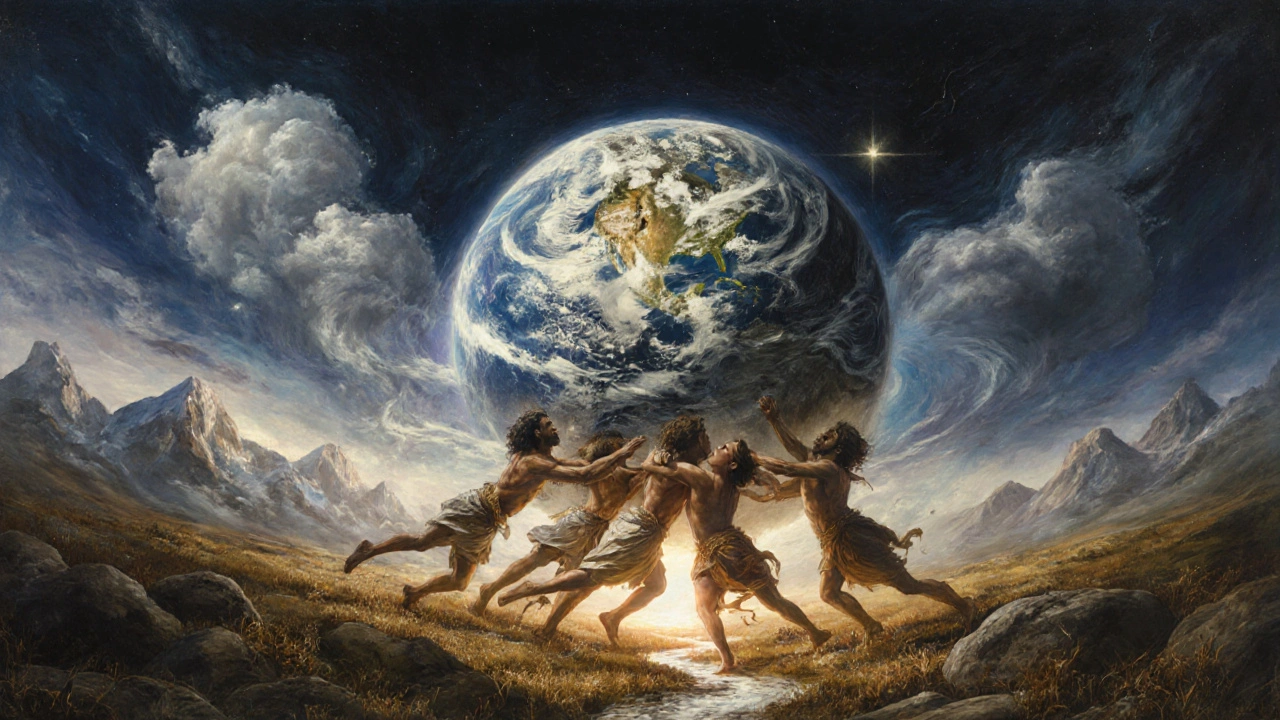
Creation Myths and Gender Dualities: How Male and Female Forces Shape Human Origin Stories
Nov 9 2025 / History & CultureCreation myths across cultures use male-female dualities to explain human origins, but these symbols vary widely-from sun goddesses to two-faced beings. These stories reflect societal values, not universal truths about gender.
VIEW MORE