Greek Wives: History, Power, and Sexuality in Ancient Marriage
When we think of Greek wives, women in ancient Greece bound by marriage laws, social expectations, and limited public presence. Also known as gynaikes, they were central to household stability, yet rarely allowed to speak for themselves in recorded history. Most of what we know comes from men—philosophers, lawmakers, poets—who saw them as property, mothers, or moral symbols. But behind those narrow labels were real women managing households, navigating dowries, raising children, and sometimes quietly resisting the rules meant to control them.
The dowry system, a financial transfer from a bride’s family to her husband’s, used to secure alliances and economic stability wasn’t just about money—it was a legal contract that tied women’s value to their family’s wealth. A wife didn’t own property, but her dowry could be reclaimed if the marriage ended. This gave her some leverage, even if she had no voice in court. Meanwhile, the separate spheres ideology, the idea that men belonged in public life while women were confined to the home wasn’t invented in the Victorian era—it was already baked into Athenian society. Women stayed indoors, managed slaves, wove cloth, and raised kids. But in Sparta? Things were different. Spartan women trained physically, owned land, and spoke openly. They weren’t just wives—they were pillars of a militarized state.
Marriage in ancient Greece wasn’t about love. It was about lineage, inheritance, and social order. A girl might marry at 14 to a man twice her age. Her main job? Produce legitimate heirs. Sex wasn’t for pleasure—it was duty. Yet, even in silence, women found ways to assert agency. Archaeological finds show women visiting temples for fertility rites, wearing jewelry that signaled status, and even commissioning funerary monuments that named them as mothers and wives. Their stories weren’t erased—they were just told by others. The Greek wives you read about in myths? They’re often exaggerated. The real ones? They were survivors, strategists, and quiet revolutionaries in a world that refused to see them as full people.
What follows is a curated collection of articles that dig into the hidden layers of gender, power, and sexuality across history—from the economic contracts of medieval marriage to the erasure of female desire in medical texts. You’ll find how ancient norms echo in modern ideas about women, consent, and autonomy. These aren’t just old stories. They’re the roots of how we still think about women’s roles today.
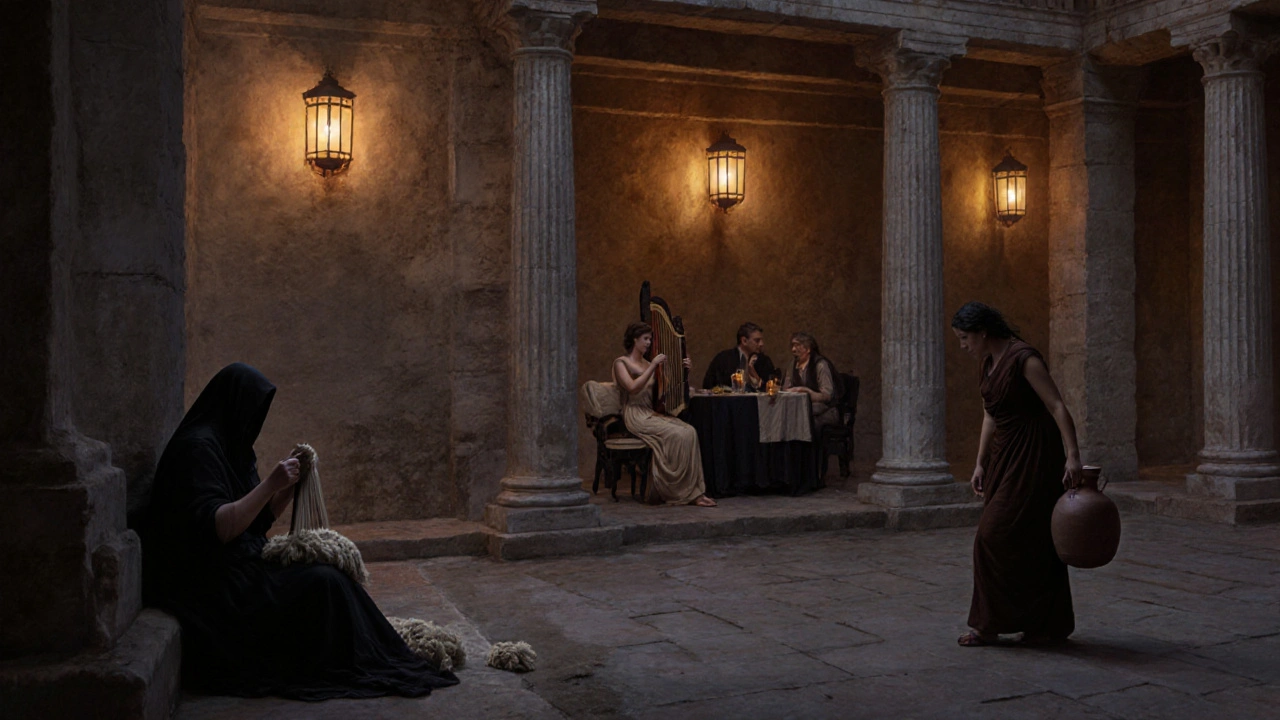
Concubines, Wives, and Mistresses: Gendered Sexual Roles in Ancient Greek Households
Nov 12 2025 / History & CultureAncient Greek households enforced strict gender roles: wives bore legitimate heirs, hetaerae offered companionship, and enslaved women served as de facto concubines. This system upheld male control while keeping women confined to silent, functional roles.
VIEW MORE