Guatemalan military atrocities: History, silence, and the fight for justice
When we talk about Guatemalan military atrocities, systematic state-sponsored violence against civilians during Guatemala’s 36-year civil war. Also known as state terrorism, these crimes included mass killings, forced disappearances, and the burning of entire villages—mostly targeting Mayan communities. Between 1960 and 1996, over 200,000 people were killed or went missing. More than 80% were indigenous. The military didn’t just kill—they erased identities, destroyed languages, and used sexual violence as a weapon to break resistance.
These weren’t random acts. They were part of a deliberate strategy called counterinsurgency, a military doctrine used to eliminate perceived internal threats by targeting civilian support networks. In the 1980s, under generals like Ríos Montt, entire regions were labeled "subversive"—and then wiped out. Women were raped in front of their families. Children were killed to prevent future rebellion. Survivors were forced to watch. The U.S. government provided training, weapons, and funding during this time, turning a blind eye to what was happening.
What makes these atrocities different from other historical crimes is how long the silence lasted. Even after the peace accords in 1996, survivors were told to move on. Schools didn’t teach it. Media avoided it. Courts dismissed cases. The military still holds power. But slowly, things are changing. Indigenous women have stood up in court. Survivors have testified. In 2013, Ríos Montt was convicted of genocide—though the ruling was later overturned. The fight isn’t over. It’s in the archives, the testimonies, the unmarked graves still being dug up today.
These stories connect to broader patterns we’ve seen before: how power uses silence to protect itself, how sexual violence in war is rarely treated as a crime, and how justice gets delayed until the victims are gone. The same mechanisms that silenced Guatemala’s survivors are still at work in other conflicts—from Sudan to Ukraine. What happened here isn’t just history. It’s a warning.
Below, you’ll find articles that explore how societies remember—or forget—mass violence. How shame and censorship shape what we know. How language is used to hide truth. And how survivors fight back when the system refuses to listen.
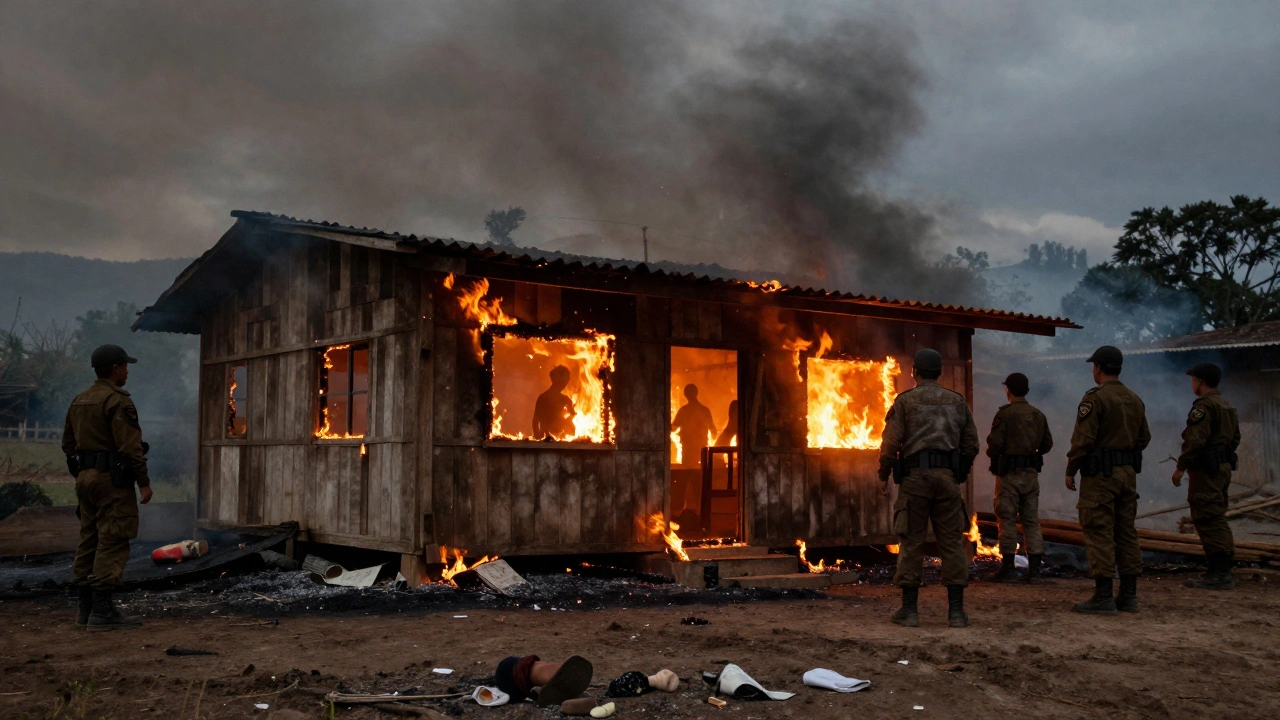
The Río Negro Massacres: Sexual Violence as a Weapon in Cold War Guatemala
Dec 6 2025 / History & CultureThe Río Negro Massacres were a state-sponsored genocide against Q’eqchi’ Maya communities in Guatemala during the Cold War. Sexual violence was a systematic weapon used to destroy cultural identity, yet remains underreported. Survivors still seek justice.
VIEW MORE