Handfasting: The Ancient Ritual Behind Modern Wedding Traditions
When you think of handfasting, a historic bonding ritual where couples’ hands are tied together as a sign of commitment. Also known as tying the knot, it was once a legally binding marriage practice in parts of Europe long before churches took over the role of officiating unions. This wasn’t just poetry or stage magic—it was law. In medieval Scotland and Celtic regions, a handfasting could last a year and a day, giving couples time to decide if they wanted to stay together. If they did, they’d formalize it; if not, they walked away with no stigma. No priest, no license—just two people, their families, and a cord around their wrists.
Handfasting didn’t come from nowhere. It grew out of older traditions where marriage was less about romance and more about alliance, land, and survival. Think of it like a business deal sealed with touch. The binding of hands symbolized trust, unity, and mutual obligation. Women weren’t passive in this—they often had equal say. In some communities, the woman chose the length of the trial period. This contrasts sharply with later Victorian-era marriages, where women had little legal voice. Handfasting also had spiritual roots. Many pagan and druidic groups used it to invoke ancestral or nature spirits as witnesses. The knots weren’t just decorative; they carried meaning—each twist stood for loyalty, fertility, or protection. Even today, you’ll see modern couples using braided ribbons, hemp cords, or woven threads in their ceremonies, often unaware they’re echoing a 2,000-year-old custom.
It’s not just history. Handfasting has made a quiet comeback—not as a rebellion, but as a return to meaning. People are ditching stiff church rituals for ceremonies that feel personal, grounded, and real. You’ll find it in eco-weddings, pagan gatherings, and even secular ceremonies where couples want something that feels ancient but still theirs. The rise of interest in Celtic marriage, a cultural tradition rooted in pre-Christian Europe that emphasized consent, partnership, and seasonal timing has helped revive this. So has the growing awareness of how pagan rituals, spiritual practices that honor natural cycles and community-based rites of passage offer alternatives to institutionalized religion. And while some modern versions are romanticized, the core idea remains: marriage is something you build together, not something you’re handed by a system.
What you’ll find in the posts below isn’t just a list of articles—it’s a deep dive into how intimacy, power, and tradition have shaped human bonding across centuries. From medieval dowries and Victorian gender roles to the hidden history of sexual expression in ancient tombs and the legal battles over consent, these stories connect back to one truth: how we tie ourselves to each other has always been political, personal, and deeply human. You’ll see how handfasting fits into a much bigger picture—of bodies, beliefs, and the quiet revolutions that changed how we love.
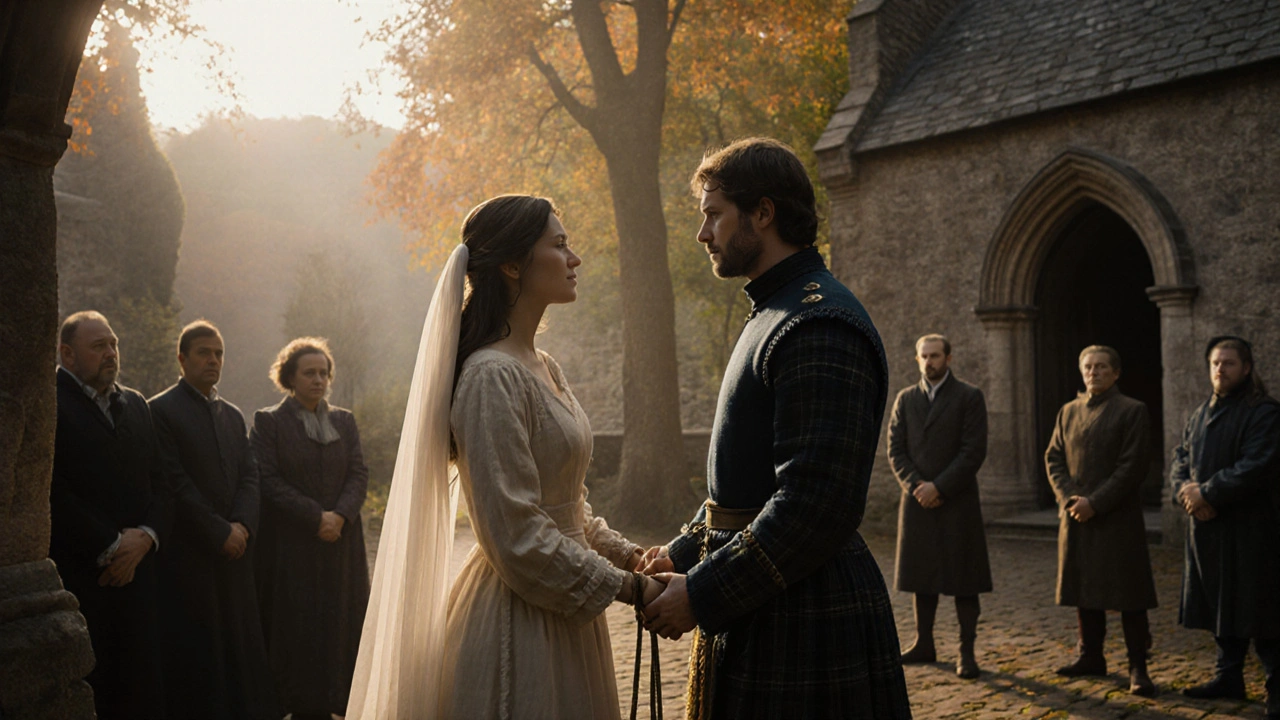
Handfasting and Trial Marriage: The Truth Behind the Celtic Year-and-a-Day Tradition
Nov 20 2025 / History & CultureHandfasting is often called a Celtic trial marriage lasting a year and a day-but that's a myth. Learn the real history of this ritual, how it became a modern wedding symbol, and why the truth is even more powerful than the legend.
VIEW MORE