Havelock Ellis: Pioneer of Sexology and the Science of Human Desire
When we talk about how society came to understand sex as something scientific—not sinful—we’re talking about Havelock Ellis, a British physician and psychologist who turned sexuality into a subject of study, not shame. Also known as the father of sexology, he was one of the first to treat human desire as natural, not deviant. In the late 1800s, when masturbation was still called a disease and homosexuality was a crime, Ellis published Sexual Inversion and later his seven-volume Studies in the Psychology of Sex. He didn’t just write about sex—he listened to real people, collected their stories, and refused to pathologize them.
His work connected directly to what we now call sexual psychology, the study of how desire, identity, and culture shape intimate behavior. He challenged the idea that women were asexual, showed that same-sex attraction wasn’t a mental illness, and argued that pleasure wasn’t just for reproduction. These ideas were radical. They still are, in places. His research on Victorian sexuality, the rigid moral code that silenced women and punished non-heterosexual behavior explains why so many of the posts here focus on shame, erasure, and hidden histories. You’ll see his fingerprints in articles about female orgasm myths, bisexual invisibility, and the medicalization of masturbation. He didn’t just document sexuality—he gave people the language to fight back against it.
Ellis didn’t just study sex—he believed in sexual freedom as a human right. He supported birth control, defended sex workers, and pushed for education over punishment. That’s why the posts on this page feel so connected: they’re all part of the same long fight he started. Whether it’s Anne Koedt proving the clitoris matters, or activists uncovering erased lesbian histories, they’re continuing his work. You won’t find a single article here that doesn’t echo his core belief: sex isn’t something to hide. It’s something to understand.
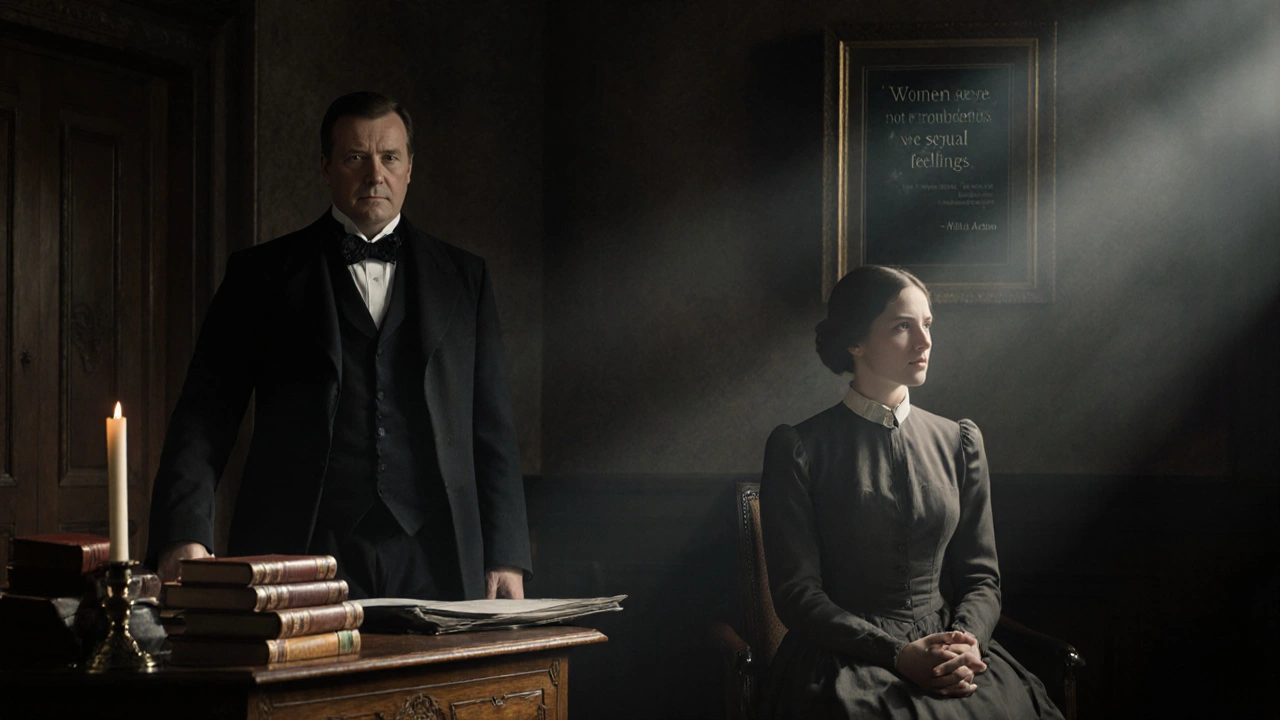
Havelock Ellis and William Acton: How Victorian Medicine Pathologized and Later Humanized Desire
Oct 31 2025 / History & CultureHavelock Ellis and William Acton shaped how Victorian medicine viewed desire-one pathologized it, the other studied it. Their clash laid the groundwork for modern sexology and continues to influence how we understand sexuality today.
VIEW MORE