Hicklin Test: How Obscenity Laws Shaped Sex, Censorship, and Free Speech
When the Hicklin Test, a 19th-century British legal standard used to judge whether material was obscene based on its effect on the most vulnerable readers. Also known as the Hicklin standard, it didn’t care about the whole book—just one passage that might corrupt a child or someone with a weak mind. This rule didn’t just ban books. It banned ideas. It turned every mention of sex, every hint of desire, into a potential crime. And for over 100 years, courts in the U.S. and U.K. used it to burn novels, shut down clinics, and silence anyone who dared talk openly about the body.
The obscenity law, a legal framework designed to restrict material deemed morally harmful, often based on subjective community standards under the Hicklin Test didn’t ask if something had artistic value, scientific merit, or political meaning. It asked: Could this make a child think about sex? If yes, it was illegal—even if the rest of the work was about love, grief, or revolution. This is how censorship history, the long struggle over who gets to control what people see, read, or say about sexuality became a weapon. Writers like D.H. Lawrence, James Joyce, and Margaret Sanger were targeted not for lying, but for telling the truth. Birth control pamphlets? Obscene. A painting of a naked woman? Obscene. Even a dictionary definition of "penis" could get you arrested.
But the free speech, the legal and cultural right to express ideas without government punishment, especially in matters of sexuality and morality movement didn’t stay quiet. By the 1950s, judges began to see the absurdity. How could a single sentence define the value of an entire novel? How could you protect children by silencing everyone else? The Hicklin Test was slowly replaced—not by one perfect rule, but by a series of court battles that forced society to ask: Who gets to decide what’s dirty? And who decides who’s too weak to handle the truth?
What you’ll find below isn’t just a list of articles. It’s a trail of evidence—how laws like the Hicklin Test shaped the way we talk (or don’t talk) about sex today. From banned poems in Elizabethan England to medical myths about masturbation, from police raids on gay bars to the fight over consent and bodily autonomy—each piece shows how control over language, bodies, and desire has always been political. These aren’t old stories. They’re the roots of today’s battles over what’s allowed, what’s hidden, and who gets to speak.
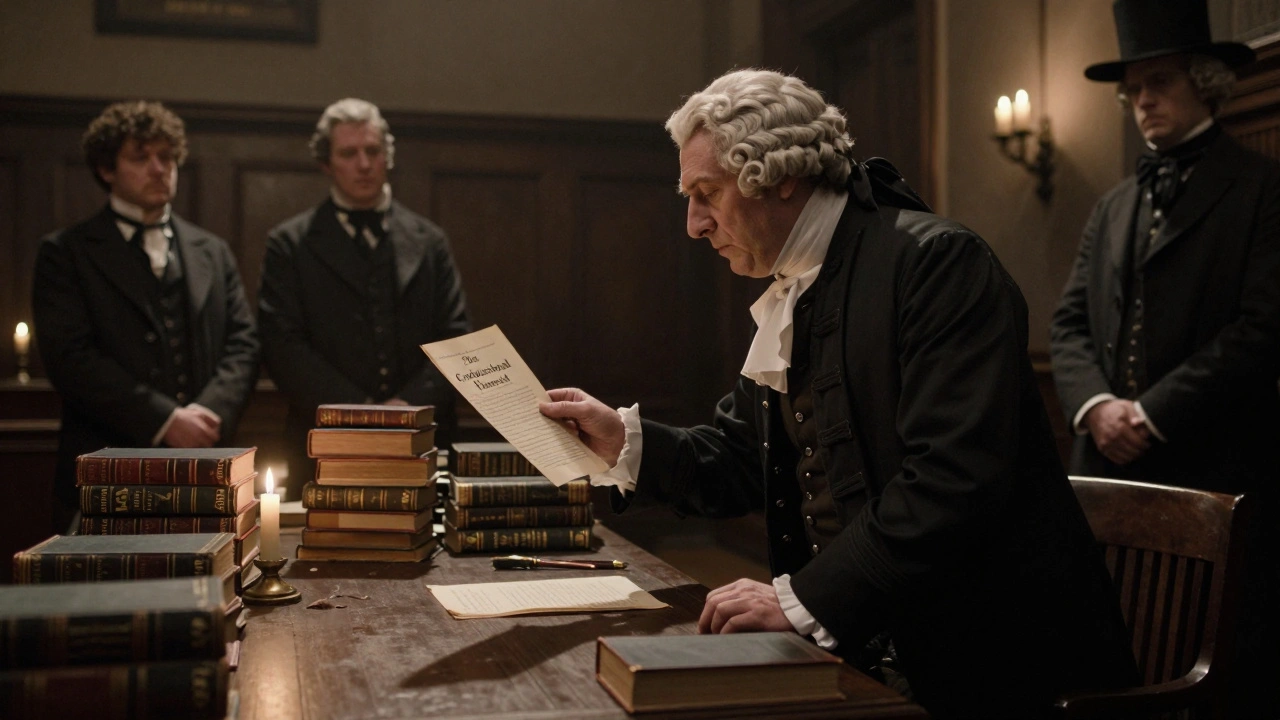
The Hicklin Test: How Courts Once Defined Obscenity
Dec 5 2025 / History & CultureThe Hicklin Test was a 19th-century legal standard that banned any material deemed potentially corrupting to vulnerable readers. It led to the censorship of literature, medical texts, and art for over 60 years in the U.S. until it was overturned in 1957.
VIEW MORE