Historical Censorship: How Power Shaped Sex, Silence, and Sexual Expression
When we talk about historical censorship, the systematic suppression of sexual ideas, images, and identities by institutions like the church, state, and medical establishment. Also known as sexual repression, it wasn’t just about hiding naked bodies—it was about controlling who could speak, love, or exist freely. From Victorian doctors calling masturbation a cause of insanity to governments banning poems with dildo references, censorship wasn’t about morality—it was about power. Those in charge decided what sex was ‘natural,’ who deserved pleasure, and which identities were dangerous enough to erase.
LGBTQ+ history, the erased stories of people who loved outside heteronormative norms. Also known as queer survival, it’s filled with coded language, destroyed archives, and silent resistance. Lesbian relationships vanished from court records. Gay bars were raided not because they were disorderly, but because their very existence challenged the idea that sex must be hidden and married. Even today, the fight isn’t just for rights—it’s for recognition that these stories were never illegitimate, just silenced. Meanwhile, medical morality, the false science used to pathologize desire, like labeling female pleasure as hysteria or intersex bodies as defects. Also known as pathologizing the body, it turned doctors into enforcers of sexual conformity. Women were vibrated into calmness, infants had genitals cut without consent, and men were locked away for loving other men—all under the guise of healing.
And then there’s erotic literature, the banned texts that dared to describe desire openly, like Thomas Nashe’s 1592 dildo poem, once considered too shocking to print. Also known as censored sexuality, it shows how power fears words more than acts. When a poem about impotence and female agency got banned, it wasn’t because it was vulgar—it was because it gave women agency. That’s the pattern: censorship doesn’t target sex itself. It targets the moment someone claims the right to define their own pleasure, identity, or truth.
What you’ll find below isn’t a list of old scandals. It’s proof that every rule, law, and taboo about sex has a history—and that history is being rewritten by those who lived it. From the Etruscans who painted sex as sacred to the survivors of non-consensual surgeries demanding justice, these stories aren’t about shock value. They’re about survival. And they’re not done yet.
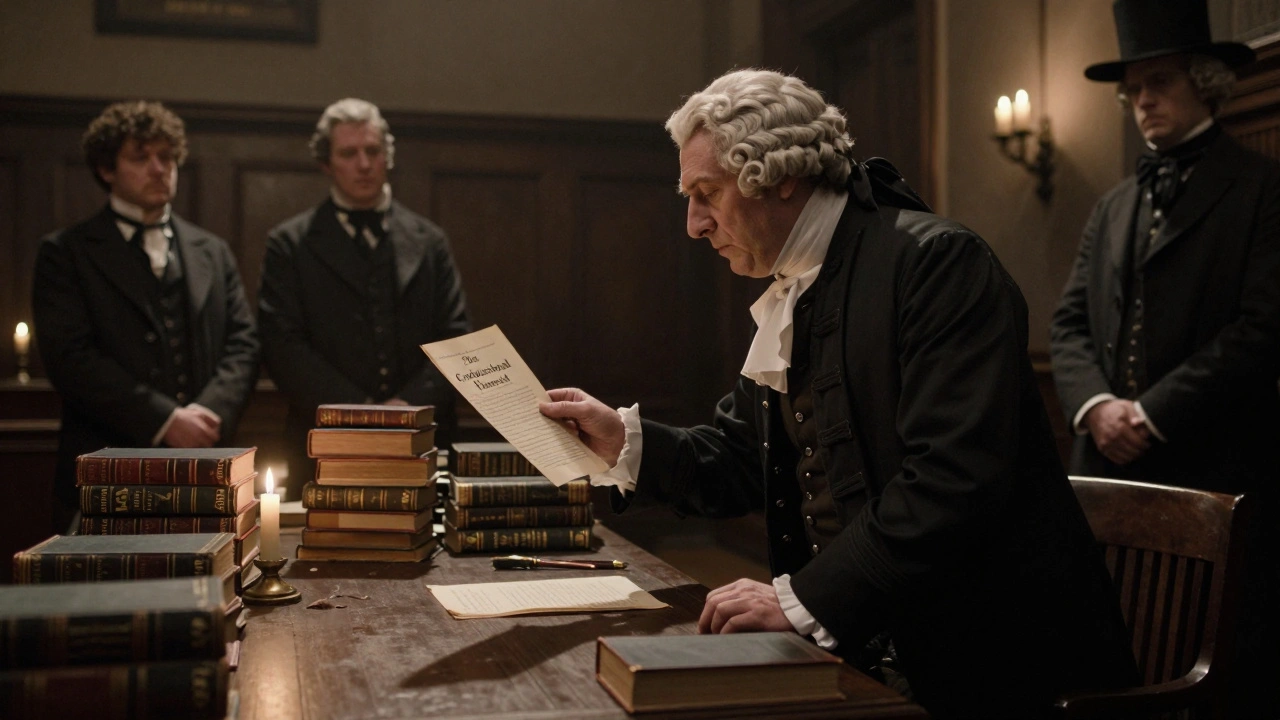
The Hicklin Test: How Courts Once Defined Obscenity
Dec 5 2025 / History & CultureThe Hicklin Test was a 19th-century legal standard that banned any material deemed potentially corrupting to vulnerable readers. It led to the censorship of literature, medical texts, and art for over 60 years in the U.S. until it was overturned in 1957.
VIEW MORE