History of Sex Trade: From Ancient Markets to Modern Underground Networks
When we talk about the history of sex trade, the long-standing exchange of sexual services for money, goods, or protection. Also known as prostitution, it has existed in every major civilization—not as a modern vice, but as a survival strategy, a social institution, and sometimes, a sacred act. This isn’t just about brothels or street corners. It’s about how economies, gender roles, and power structures have always been tied to who gets to sell sex, who gets to buy it, and who gets to criminalize it.
From the temple priestesses of ancient Sumer who offered sexual rites as part of religious duty, to the licensed courtesans of Ming Dynasty China who were educated artists and political influencers, sex work was often respected—or at least regulated. In Rome, prostitutes paid taxes. In medieval Europe, city councils designated red-light districts to keep sex work out of sight but still under control. The real shift came with Victorian morality, when sex work was suddenly framed as a moral disease rather than an economic reality. That’s when the prostitution laws, legal frameworks designed to punish, hide, or erase sex work. Also known as vice laws, they began targeting workers instead of clients or pimps. These laws didn’t stop sex trade—they drove it underground, made it more dangerous, and silenced the voices of those doing it.
The sexual commerce, the broader system of exchanging sexual access for value, whether cash, shelter, or status. Also known as erotic economy, it includes everything from street-based workers to high-end escorts, from ancient temple rituals to today’s OnlyFans models. It’s not one thing. It’s a spectrum shaped by class, race, gender, and geography. In some cultures, women traded sex to support families during famine. In others, men paid for companionship because marriage was political, not personal. The escort history, the evolution of paid companionship beyond just sex, often involving conversation, travel, and emotional labor. Also known as companionship economy, it reveals how intimacy became commodified—and how some workers turned it into agency. Think of the courtesans of 18th-century Paris or the modern independent escorts who manage their own branding, schedules, and safety protocols. These aren’t victims. They’re entrepreneurs operating in a system that refuses to recognize them as such.
What you’ll find below isn’t a list of scandals or sensational stories. It’s a collection of real, researched histories that show how sex trade has always been part of human life—not an exception to it. From Etruscan tomb paintings that linked sex with the afterlife, to Victorian doctors prescribing vibrators for "hysteria," to the women who hid lesbian relationships in archives to survive, these stories reveal how power writes history—and how those on the margins fought back with silence, code, and courage. You’ll see how laws changed, how bodies were controlled, and how pleasure was turned into pathology. And you’ll see that the same debates we’re having today—about consent, safety, legality, and dignity—have been fought over for centuries.
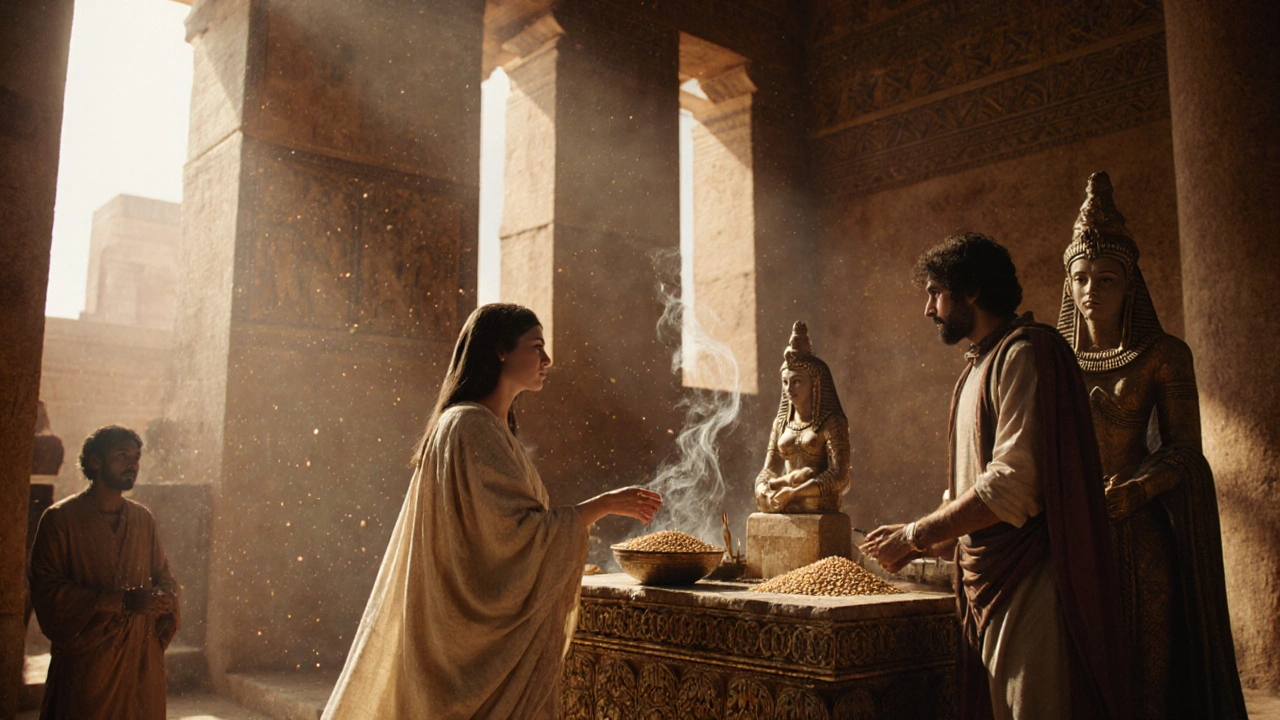
The History of Prostitution and Commercialized Sexuality: From Ancient Temples to Modern Laws
Oct 31 2025 / History & CultureFrom ancient temple rites to Nevada brothels and digital platforms, the history of prostitution reveals how society has regulated, punished, and profited from commercialized sexuality across centuries.
VIEW MORE