Indigenous genocide: Historical erasure, sexual violence, and resistance in colonial systems
When we talk about Indigenous genocide, the systematic destruction of Indigenous peoples, cultures, and sovereignty through violence, displacement, and forced assimilation. Also known as cultural annihilation, it’s not just a past event—it’s a structure that still shapes laws, media, and health systems today. This isn’t about ancient wars or isolated conflicts. It’s about state-backed programs designed to erase languages, break families, and control reproduction—often through sexual violence disguised as "civilization."
Residential schools, government-funded religious institutions that forcibly removed Indigenous children from their families across North America and Australia. Also known as boarding schools, they were tools of cultural genocide—where children were beaten for speaking their mother tongue, starved for disobedience, and abused in ways rarely documented. These weren’t outliers. They were policy. And the same systems that ran these schools also controlled Indigenous women’s bodies—through forced sterilizations, bans on traditional birth practices, and the removal of children into foster care under the guise of "protection." Meanwhile, sexual violence against Indigenous peoples, a weaponized tactic used to break community ties and assert dominance. Also known as colonial rape, it was never an accident. It was calculated. The silence around this history isn’t accidental either. Archives were burned. Testimonies were ignored. Medical records were sealed. Even today, when Indigenous women go missing, their cases are treated as low priority. When their stories are told, they’re called "tragic" instead of "targeted."
This collection doesn’t offer easy answers. It shows you the links between forced assimilation and the censorship of Indigenous sexuality, between the medical control of Indigenous bodies and the same systems that once labeled masturbation as a disease. You’ll read about how Victorian ideas about "purity" were weaponized against Native women, how legal systems ignored rape claims from Indigenous survivors, and how resistance—through storytelling, art, and reclaiming traditional knowledge—is still alive. These aren’t just historical footnotes. They’re the roots of today’s fights for land, justice, and bodily autonomy. What you’re about to read isn’t theory. It’s evidence. And it’s time we stopped looking away.
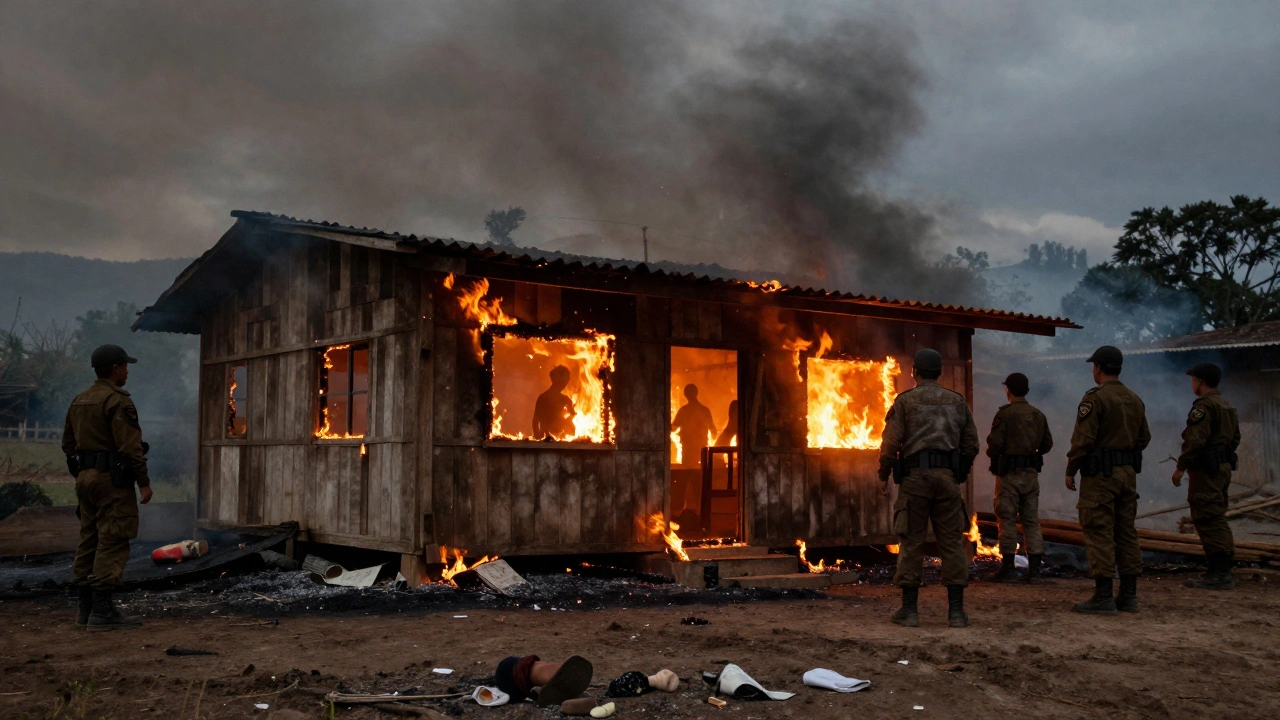
The Río Negro Massacres: Sexual Violence as a Weapon in Cold War Guatemala
Dec 6 2025 / History & CultureThe Río Negro Massacres were a state-sponsored genocide against Q’eqchi’ Maya communities in Guatemala during the Cold War. Sexual violence was a systematic weapon used to destroy cultural identity, yet remains underreported. Survivors still seek justice.
VIEW MORE