Institutionalization History: How Systems Shaped Sex, Gender, and Control
When we talk about institutionalization history, the long-term process by which societies used systems like hospitals, prisons, and laws to regulate behavior, especially around sex and gender. Also known as systemic control of sexuality, it’s not just about locking people away—it’s about deciding who gets to be normal, who gets labeled dangerous, and who gets erased. This isn’t ancient history. It’s why your grandmother was told masturbation was madness, why lesbians vanished from medical records, and why transgender people were locked in psychiatric wards for decades.
The medicalization of sexuality, the process by which doctors and scientists turned personal desires into diagnoses turned pleasure into pathology. In the 1800s, female masturbation was called "hysteria" and treated with vibrators—sold as medical devices, not toys. Men who desired other men were diagnosed with "contrary sexual instincts" and sent to asylums. These weren’t accidents. They were policies. Hospitals, courts, and schools became tools to enforce what was "natural," and anyone who stepped outside was labeled sick, immoral, or criminal.
gender norms, the rigid rules society imposed on how men and women should act, dress, and desire were locked in place by institutions too. The Victorian idea of separate spheres—men in public, women at home—wasn’t just a belief. It was enforced by laws that barred women from owning property, signing contracts, or even getting an education without permission. Same-sex relationships? Hidden in court records under vague terms like "unnatural acts." Lesbian history? Deleted from archives because no one in power thought it mattered. These weren’t just opinions. They were systems.
And it didn’t stop in the 1900s. Even after gay bars were raided, after abortion was criminalized, after transgender people were denied care, institutions kept rewriting the rules—always under the guise of protection, morality, or science. The LGBTQ+ institutionalization, the pattern of confining, silencing, or pathologizing queer people through legal and medical systems still echoes today in bans on gender-affirming care, in foster systems that push queer youth into conversion "therapy," and in laws that still treat sex work as a crime instead of labor.
What you’ll find in these posts isn’t just a list of old facts. It’s the story of how power worked behind closed doors—in courtrooms, doctor’s offices, and family living rooms—to control bodies, silence voices, and rewrite desire. You’ll see how women fought back against the idea that their pleasure was a disease. How queer activists turned police raids into revolutions. How ancient cultures celebrated what modern institutions tried to bury. This is the history of control—and the people who refused to stay quiet.
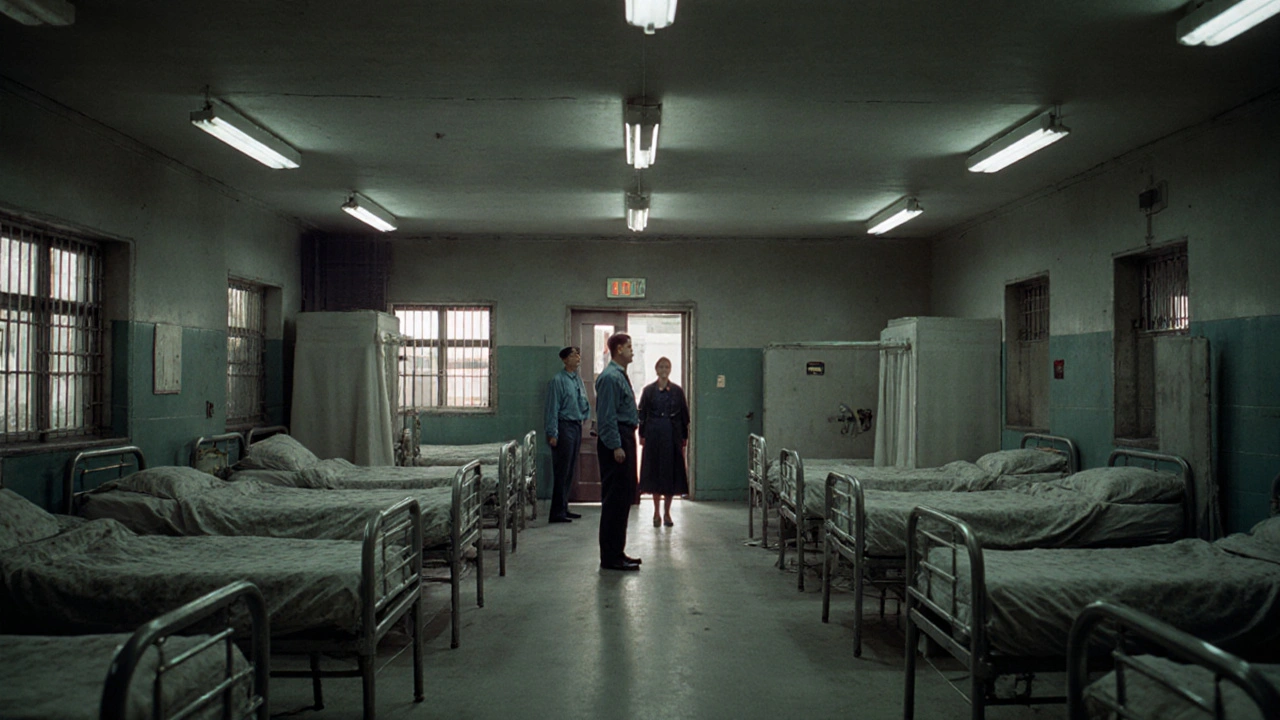
Institutionalization and Sexual Control: How Disabled People Were Segregated
Nov 15 2025 / History & CultureFrom forced sterilizations to marriage bans, disabled people in the U.S. were systematically controlled for over a century. This is the hidden history of how eugenics shaped their bodies, their rights, and their lives.
VIEW MORE