Interstate Sex Traffic: The Hidden History of Movement, Control, and Survival in Commercial Sex
When we talk about interstate sex traffic, the movement of people across state lines for commercial sexual purposes, often under coercion or economic pressure. Also known as sex trade migration, it’s not a new phenomenon—it’s as old as the roads themselves. From stagecoaches carrying women to mining towns in the 1800s to today’s ride-share pickups and encrypted apps, the movement of sex workers has always followed the flow of money, power, and desperation.
commercialized sexuality, the exchange of sexual services for money, goods, or protection. Also known as sex work, it’s been regulated, criminalized, and ignored for centuries—yet never disappeared. In the 19th century, women traveled by train to work in brothels near rail hubs. In the 1970s, truck stops became informal marketplaces. Now, digital platforms make location invisible—but the routes still exist. This isn’t just about crime. It’s about survival. Many people enter this work not because they’re forced, but because they have no other way to pay rent, feed their kids, or escape abuse. The law treats them as criminals, but history shows they’re often just following the only path available.
human trafficking, the use of force, fraud, or coercion to exploit someone for labor or sex. Also known as modern slavery, it’s often used to describe all interstate sex movement—but that’s misleading. Not every person moving across state lines for sex work is trafficked. Many choose it. Many are undocumented. Many are running from something worse. Confusing choice with coercion doesn’t help—it erases real agency and makes real victims harder to protect. The real issue isn’t movement itself. It’s control. Who gets to decide where you go, who you see, and how much you earn? That’s the thread tying together every post in this collection.
What you’ll find here aren’t headlines. They’re deep dives into the systems behind the scenes: how Victorian doctors pathologized women who traveled alone, how medieval dowries shaped economic survival through marriage and sex, how police raids on gay bars mirrored today’s crackdowns on sex workers, and how the same laws meant to "protect" people often trap them. These stories aren’t about shock. They’re about pattern. And if you’ve ever wondered why sex work is still criminalized while the people doing it are punished, the answers are buried in history—not in moral panic.
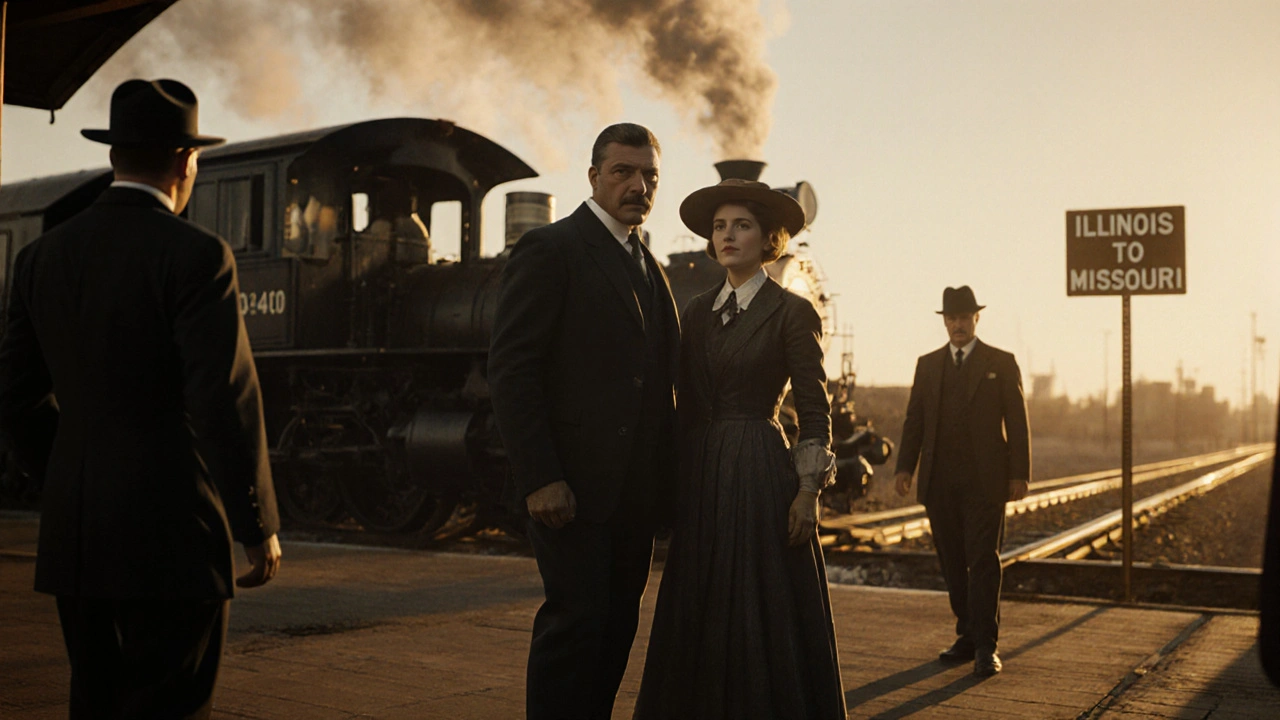
The Mann Act (1910): How a Moral Panic Criminalized Interracial Relationships and Shaped Federal Power
Oct 28 2025 / History & CultureThe Mann Act of 1910 was meant to stop sex trafficking but became a tool to criminalize interracial relationships and consensual sex. Jack Johnson's case exposed its racial bias, and its vague language led to decades of misuse.
VIEW MORE