Islamic Gender Debates: How Faith, Law, and Culture Shape Women's Roles
When people talk about Islamic gender debates, the ongoing discussions within Muslim communities about women’s rights, roles, and religious authority. Also known as gender norms in Islam, it includes everything from how women dress to who leads prayers, who inherits property, and whether a woman can divorce her husband without his consent. These aren’t just theological arguments—they’re lived experiences shaping millions of lives every day.
Underlying these debates are key entities like Sharia law, the Islamic legal framework derived from the Quran, Hadith, and scholarly interpretation. Also known as Islamic jurisprudence, it’s not one fixed code—it varies by school of thought, country, and century. Then there’s gender roles in Islam, the social expectations placed on men and women based on religious texts and cultural traditions. And women in Islam, a diverse group of believers who interpret faith differently—from conservative scholars to feminist activists rewriting religious narratives. These aren’t separate issues. Sharia law influences gender roles, which in turn shape how women in Islam experience education, work, marriage, and even prayer. One woman in Indonesia might lead a mixed-gender prayer circle. Another in Saudi Arabia might fight for the right to drive. Both are responding to the same system, but from different angles.
What you’ll find in this collection isn’t a single answer. It’s the messy, powerful, and often silenced stories behind the headlines. You’ll read about how Victorian-era ideas of modesty got mixed into Islamic dress codes, how medieval inheritance laws still affect women today, and how modern Muslim feminists are reclaiming texts once used to silence them. These aren’t abstract theories—they’re real women rewriting rules, challenging imams, and building movements from the ground up. The debates aren’t over. They’re just getting louder.
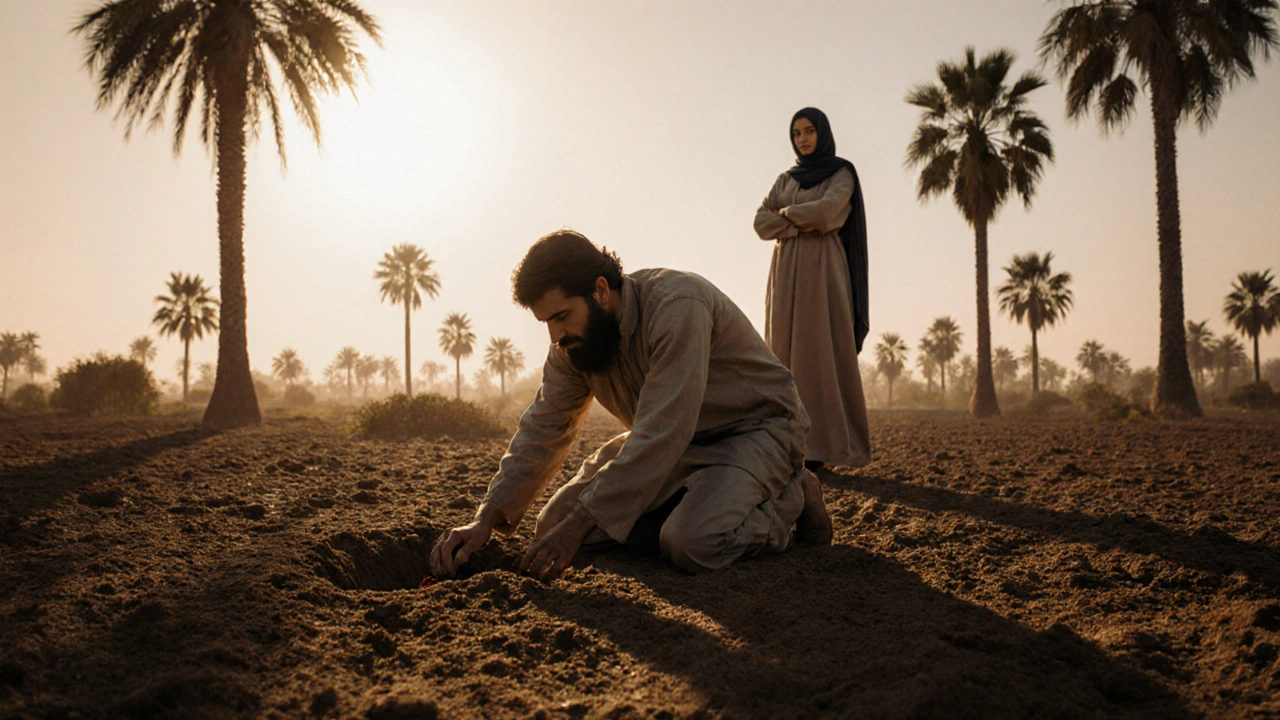
Quranic 'Tilth' Metaphor: What It Really Means About Marriage and Gender
Nov 5 2025 / History & CultureQuran 2:223's 'tilth' metaphor is often misunderstood as objectifying women, but it's actually a call for responsible, nurturing marriage rooted in 7th-century agricultural wisdom and spiritual accountability.
VIEW MORE