Jack Johnson: Sex History, Culture, and the Hidden Stories Behind Intimacy
When we think of Jack Johnson, a name tied to both a legendary boxer and a quiet folk singer. Also known as James Johnson, it’s easy to assume this is just a coincidence—but names like his appear across centuries in the hidden archives of sex, power, and identity. In the history of sexuality, names are rarely just labels—they’re signals. Jack Johnson, the first Black heavyweight champion, didn’t just win fights; he shattered the racial and sexual norms of his time. His relationships with white women sparked national outrage, turning his private life into a political battleground. This wasn’t just about race—it was about control over desire, who gets to love whom, and who gets to be seen as human. His story is one thread in a much larger tapestry of how society has policed intimacy for centuries.
That same tension shows up in the gender roles, the unspoken rules that tell men and women how to act, feel, and desire. Also known as sexual norms, these rules shaped everything from Victorian marriage contracts to modern IVF protocols. When women were told their pleasure was unnecessary, or that masturbation was a disease, they were being told their bodies didn’t belong to them. Meanwhile, men like Jack Johnson were punished for asserting their own desires outside of white, heterosexual norms. These aren’t old stories—they’re the foundation of today’s debates over consent, bisexual erasure, and the right to exist openly. The same systems that silenced women in the 1800s still influence how we talk about pleasure now. And then there’s erotic art, the visual language of desire that cultures have used to express power, spirituality, and rebellion. Also known as sexual symbolism, it’s in Etruscan tomb paintings and Elizabethan poems that we see the truth: humans have always celebrated sex—even when laws tried to ban it. The dildo poem banned in 1592? The steam-powered vibrator sold as a medical device? These weren’t anomalies—they were acts of resistance.
What you’ll find here isn’t a list of random articles. It’s a map. A map of how power, shame, and silence have shaped who we are sexually—and how people fought back. From the clitoral orgasm being redefined by feminism, to police raids on gay bars that sparked revolutions, every piece connects to the same question: who gets to define pleasure? And who gets to decide what’s normal? Jack Johnson’s legacy isn’t just in the ring or the records—he’s in every story where someone refused to be erased. These articles don’t just tell history. They show you how to read it.
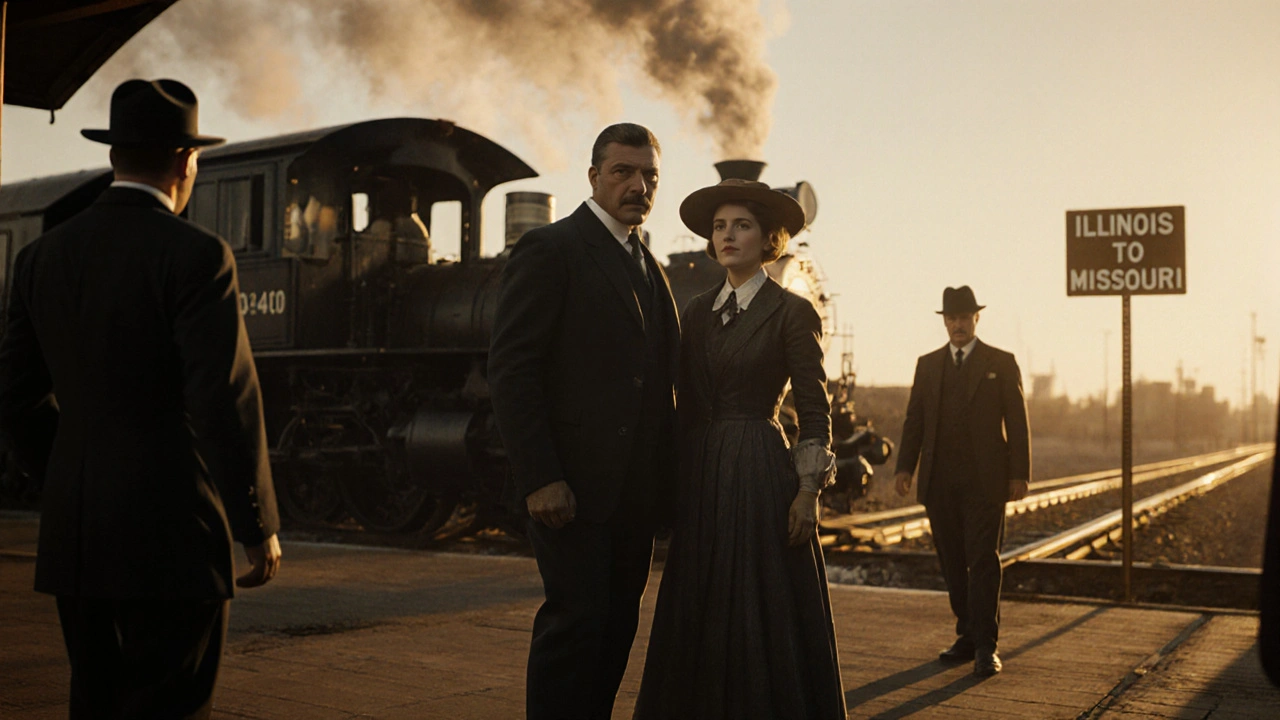
The Mann Act (1910): How a Moral Panic Criminalized Interracial Relationships and Shaped Federal Power
Oct 28 2025 / History & CultureThe Mann Act of 1910 was meant to stop sex trafficking but became a tool to criminalize interracial relationships and consensual sex. Jack Johnson's case exposed its racial bias, and its vague language led to decades of misuse.
VIEW MORE