Lock Hospitals: The Forgotten Medical Institutions That Pathologized Sex and Gender
When you hear the term lock hospitals, specialized medical facilities in 18th and 19th century Europe that confined women accused of prostitution or sexual immorality, often under the guise of treating venereal disease. Also known as lazarettos, these institutions weren’t just clinics—they were tools of social control, targeting women who stepped outside rigid gender roles. They didn’t cure disease so much as punish independence. A woman who had sex outside marriage, refused an arranged engagement, or simply talked back to a doctor could be locked away under the label of ‘venereal infection’—even if she had no symptoms. These weren’t hospitals in the modern sense. They were prisons with scalpels.
The female hysteria, a now-debunked medical diagnosis used for over 2,000 years to explain everything from anxiety to ambition in women. Also known as uterine wandering, it was the go-to excuse for confining women who didn’t conform diagnosis was the engine behind most lock hospital admissions. Doctors claimed a woman’s uterus could move around her body, causing everything from tears to tantrums. The cure? Marriage, rest, or—most commonly—vaginal massage by hand or early mechanical devices. These same devices later became the first vibrators, sold as medical tools to treat hysteria. The medical control of women, the systemic use of medical authority to regulate female behavior, sexuality, and autonomy didn’t end with lock hospitals. It just changed uniforms. Today’s gendered medical biases, the dismissal of women’s pain, and the pathologizing of non-heteronormative desire all trace back to these institutions. Even the idea that sex outside marriage is dangerous or dirty? That’s a Victorian invention, reinforced by doctors who ran lock hospitals.
Behind every locked door was a story: a servant accused of seducing her employer, a widow who refused to remarry, a girl who kissed another girl. These women weren’t sick. They were inconvenient. The lock hospitals didn’t just treat disease—they enforced silence. And the legacy? It’s still here. When women are told they’re too emotional to lead, when their pain is dismissed as ‘stress,’ when their sexuality is policed under the guise of health—those are the same old scripts, rewritten with new labels. What you’ll find below are articles that pull back the curtain on this history: how medicine became a weapon, how pleasure was redefined as pathology, and how women fought back—from the halls of lock hospitals to the courts, the labs, and the bedrooms where they finally claimed their own bodies.
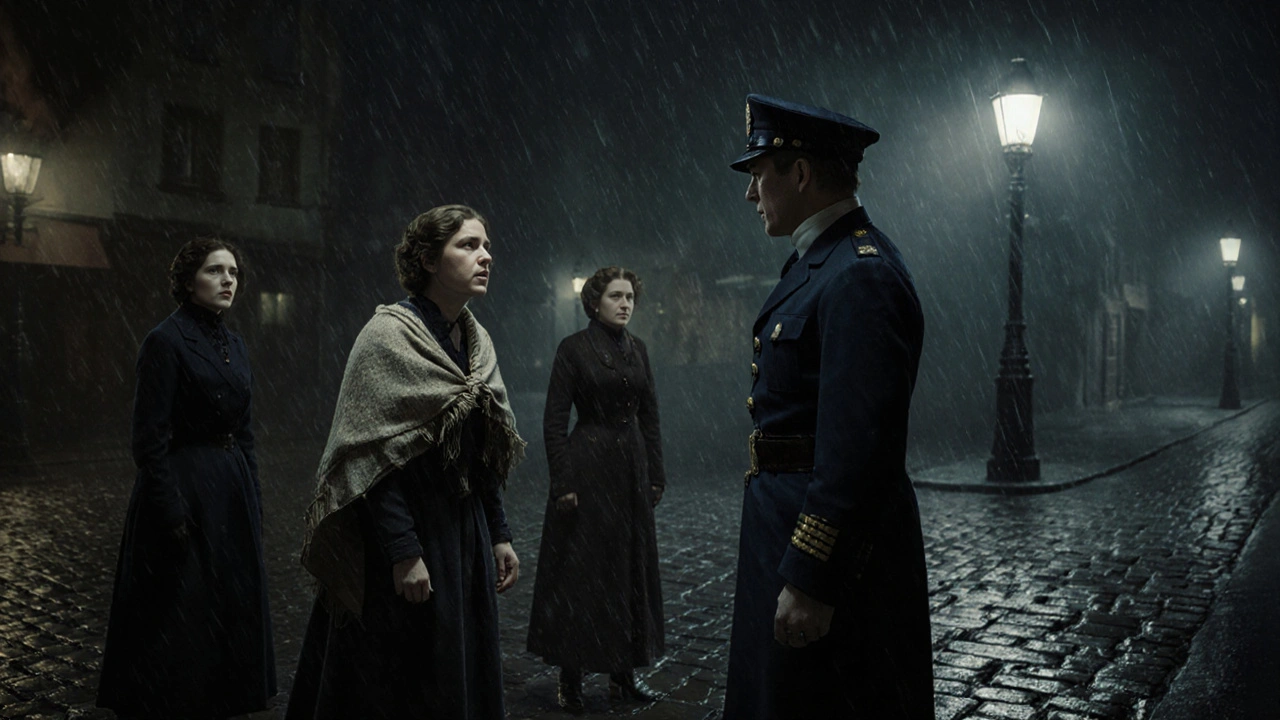
The Contagious Diseases Acts: How Victorian Britain Controlled Women’s Bodies Under the Guise of Public Health
Nov 14 2025 / History & CultureThe Contagious Diseases Acts forced Victorian women into invasive medical exams and imprisonment based on suspicion alone. A brutal system of gendered control, it was eventually repealed by one of Britain’s first feminist movements.
VIEW MORE