Manhood in America: How History, Power, and Culture Shape Modern Masculinity
When we talk about manhood in America, the social and cultural expectations placed on men to act a certain way, often tied to strength, control, and emotional restraint. Also known as traditional masculinity, it’s not biology—it’s a system built over centuries by law, religion, and economics. This idea didn’t appear overnight. It was forged in the 1800s, when the Victorian separate spheres ideology, the belief that men belonged in the public world of work and politics, while women were confined to the private home. Also known as public man/private woman, it became the blueprint for American gender norms. Men were supposed to be providers, protectors, and emotionally stoic. Women were caretakers. Anything outside that? Dangerous. Unnatural. Weak.
This system didn’t just shape behavior—it shaped medicine. Victorian doctors labeled male desire as dangerous, and masturbation as a cause of insanity, weakness, even death. William Acton, a leading 19th-century physician who claimed most men were sexually overactive and needed moral control. Also known as the father of Victorian sexology, he helped turn natural urges into moral failures. Meanwhile, Havelock Ellis, a scientist who dared to study male and female sexuality without shame, arguing that desire was normal, not sinful. Also known as the father of modern sexology, he challenged the very idea that manhood meant repression. Their clash wasn’t academic—it was cultural. One side wanted men to control their bodies. The other said: let them understand them.
That tension still lives today. Men are told to be strong, but rarely taught how to be vulnerable. To lead, but not to ask for help. To be sexual, but never confused. The legacy of these ideas shows up in silence—men dying earlier, avoiding therapy, hiding trauma, or acting out in violence because they were never allowed to feel. But change is here. The same movements that fought for women’s rights and LGBTQ+ visibility—manhood in America—are now being questioned by a new generation. They’re rejecting the old script. They’re asking: What if being a man doesn’t mean being alone? What if strength includes asking for help? What if pleasure isn’t something to suppress, but to understand?
Below, you’ll find real stories from history that explain how we got here—from the medical myths that pathologized male desire, to the legal and social structures that still define what’s ‘normal.’ These aren’t abstract ideas. They’re the quiet pressures that shape how men live, love, and suffer today. And they’re finally being named, examined, and rewritten.
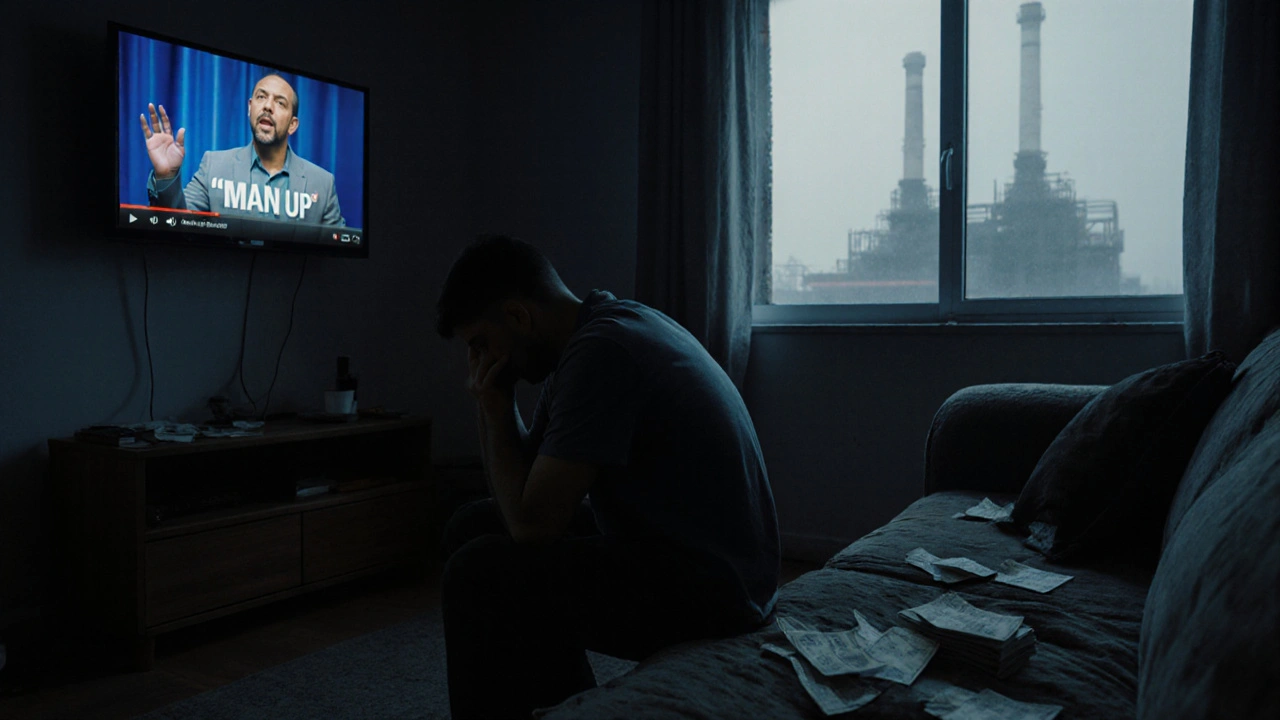
Masculinity in Crisis: How War, Depression, and Economic Shifts Are Reshaping Male Identity in America
Oct 23 2025 / History & CultureAmerican men are facing a silent crisis fueled by economic decline, social isolation, and outdated ideas of manhood. Suicide rates are soaring, friendships are vanishing, and young boys are falling behind. Here’s what’s really happening-and how real change is already taking root.
VIEW MORE