Mann Act: How a 1910 Law Shaped Sex, Power, and Morality in America
When the Mann Act, a 1910 U.S. federal law that criminalized transporting people across state lines for "immoral purposes". Also known as the White Slave Traffic Act, it was sold as protection—but became a tool to control women, Black men, and anyone who defied sexual norms. The law didn’t just ban trafficking. It made it illegal to take a woman across state lines for sex, even if she wanted to go. No proof of force. No proof of payment. Just the act of crossing a border with a woman who wasn’t your wife. The law was rushed through Congress in 1910, pushed by moral panic, religious groups, and politicians who feared changing gender roles. It wasn’t about saving women. It was about controlling them.
The white slavery, a fabricated moral panic that claimed young white women were being kidnapped into forced prostitution. Also known as sexual trafficking hysteria, it was largely myth—but it gave lawmakers the excuse they needed. Journalists and reformers spun stories of girls lured by strangers into brothels, while ignoring that most women moved for work, love, or escape. The law was used to jail Black men for dating white women, to punish jazz musicians for traveling with female companions, and to target activists who challenged traditional marriage. Even celebrities like Chuck Berry and Charlie Chaplin were prosecuted under it—not for trafficking, but for their relationships. The prostitution history, the long-standing pattern of criminalizing sex work while ignoring the economic and social forces that drive it. Also known as sex work regulation, it’s the same logic that still shapes arrests today. The Mann Act didn’t end sex work. It just made it more dangerous. Women lost legal protections. Men lost the right to be with partners across state lines. And the government gained a weapon to punish anyone who broke sexual rules.
Today, the Mann Act still exists—though it’s been updated to include minors and gender-neutral language. But its spirit lives on. When police raid massage parlors, when courts punish consensual adult relationships, when media still frames sex work as exploitation without consent—it’s the Mann Act’s shadow. The law didn’t protect women. It told them what was right, and punished them when they chose differently. Below, you’ll find real stories from history that show how this law changed lives: from silent film stars to Black jazz musicians, from feminists who fought back to women who just wanted to leave home. These aren’t just old cases. They’re warnings about how morality laws become tools of control.
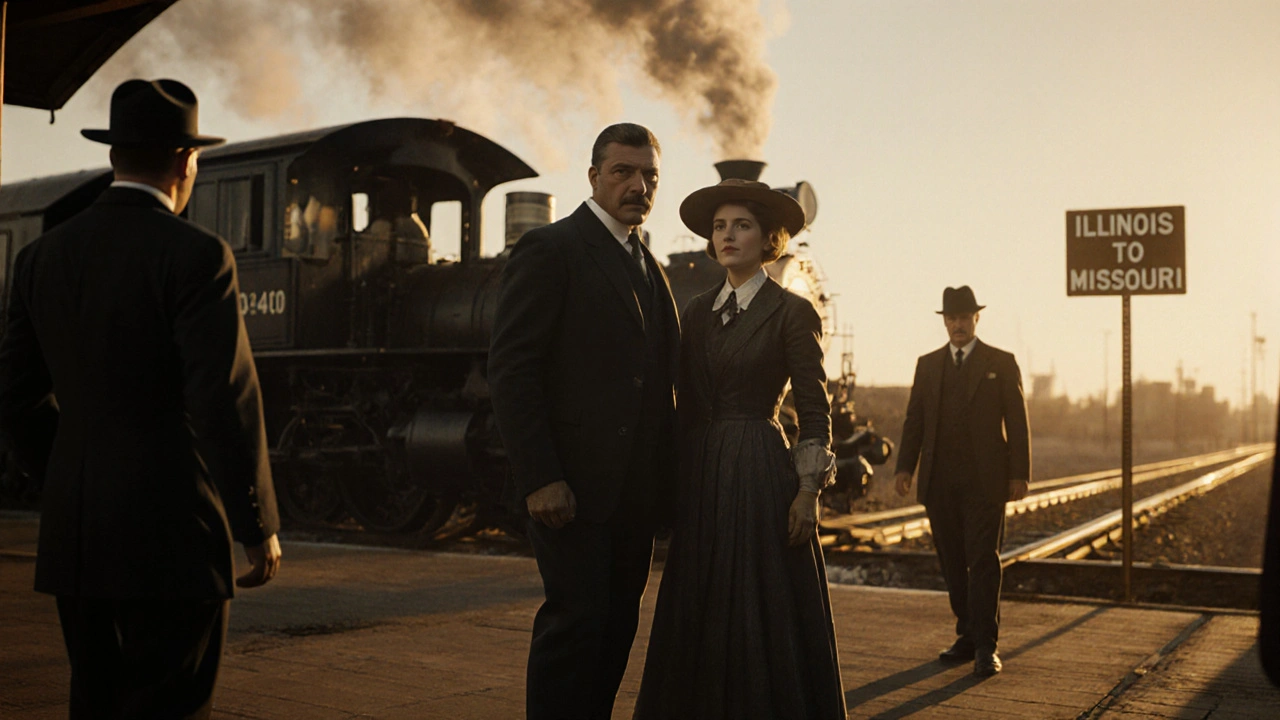
The Mann Act (1910): How a Moral Panic Criminalized Interracial Relationships and Shaped Federal Power
Oct 28 2025 / History & CultureThe Mann Act of 1910 was meant to stop sex trafficking but became a tool to criminalize interracial relationships and consensual sex. Jack Johnson's case exposed its racial bias, and its vague language led to decades of misuse.
VIEW MORE