Masturbation History: How Shame, Medicine, and Culture Shaped Self-Pleasure
When we talk about masturbation, the act of self-stimulation for sexual pleasure. Also known as self-pleasure, it is one of the most common human behaviors—yet also one of the most misunderstood. For centuries, it wasn’t seen as normal. It was labeled a disease, a sin, a sign of moral decay. Doctors in the 1800s claimed it caused blindness, insanity, and even death. Women were told it would ruin their fertility. Men were warned it drained their life force. All of it was nonsense. But the myths stuck—and they still echo today.
The real story of masturbation isn’t about biology. It’s about control. Victorian sexuality, the rigid moral code that governed sex, gender, and the body in 19th-century Europe and America. Also known as Victorian era gender norms, it turned pleasure into something dangerous, especially for women. Female sexuality was erased unless it served reproduction. Orgasms? Only if they happened during intercourse—and even then, they were downplayed. When women complained of nervous exhaustion, doctors didn’t ask about stress or sleep. They diagnosed "female hysteria" and prescribed the steam vibrator, a medical device originally sold to treat hysteria by inducing orgasm. Also known as clockwork vibrator, it was the first mass-produced sex toy, disguised as therapy. Women used these machines in silence, often without knowing they were being given pleasure. The machines didn’t change. The shame did.
It wasn’t until the 1960s and 70s that science began to undo the damage. Researchers like Havelock Ellis and Anne Koedt showed that masturbation was healthy, normal, and even necessary for understanding one’s own body. The orgasm gap between men and women? It’s not about biology—it’s about history. For too long, women were taught to feel guilty for wanting pleasure on their own terms. Today, we’re finally starting to unlearn that. But the legacy of shame lingers—in how we talk about sex, in how we raise kids, in how we silence conversations about what feels good.
What you’ll find here isn’t just a list of articles. It’s a timeline of resistance. From banned erotic poems to the hidden use of vibrators in medical offices, from the erasure of lesbian history to the way modern medicine once treated pleasure like a disease—each post pulls back a layer of the myth. This isn’t about shock value. It’s about truth. And the truth is simple: masturbation has always been part of human life. The only thing that changed was who got to decide if it was okay.
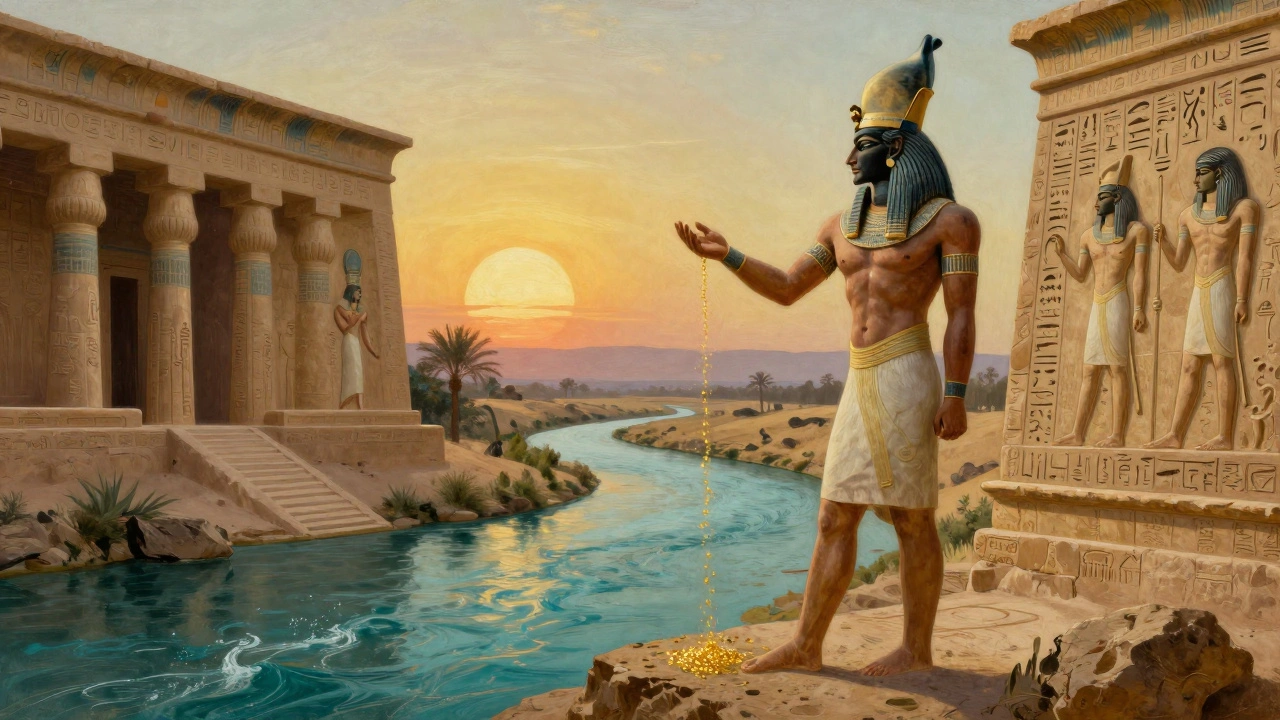
The History of Masturbation: From Creation Myth to Medical Concern
Mar 18 2026 / History & CultureFrom ancient creation myths to Victorian medical horrors, the history of masturbation reveals how society’s fear of the body shaped medicine, morality, and modern health science.
VIEW MORE
From Religious Condemnation to Medical Pathology: The Real History of Onanism
Nov 21 2025 / History & CultureThe history of onanism reveals how a biblical story about inheritance became a medical panic and a moral panic. From Augustine to Kinsey, the shift from sin to pathology to normalcy shows how society controls sexuality through fear.
VIEW MORE