Medical Views on Desire: How Science, Morality, and History Shaped Our Understanding of Sex
When doctors once called medical views on desire, the historical and clinical interpretations of human sexual motivation shaped by medicine, religion, and social norms. Also known as sexuality in medical discourse, it was once treated as a symptom—not a natural part of being human. In the 1800s, desire in women wasn’t seen as normal—it was called female hysteria, a catch-all diagnosis for women who showed any sign of emotional or sexual independence. Doctors used vibrators, baths, and even institutionalization to "cure" it. Men weren’t spared either: desire was framed as a drain on energy, a threat to focus, and sometimes a sign of moral weakness. This wasn’t science—it was control dressed up as medicine.
What changed? Not just new tools, but new questions. Scientists stopped asking "Is this desire sinful?" and started asking "What’s happening in the body?" The rise of endocrinology revealed hormones like testosterone and estrogen weren’t just reproductive signals—they shaped mood, drive, and even sleep. Meanwhile, research into the masturbation myths, false beliefs that linked self-pleasure to insanity, blindness, or death. collapsed under evidence. By the 1950s, Kinsey’s studies showed most people masturbated, and it didn’t cause harm. Still, the old ideas stuck. Even today, clinics see patients who believe their desire is broken because it doesn’t match outdated scripts—like needing to feel lust constantly, or that women shouldn’t want sex as much as men.
Medical views on desire didn’t just evolve—they were fought over. Feminists challenged the idea that women’s pleasure was secondary. LGBTQ+ activists pushed back against pathologizing same-sex attraction. And patients themselves, armed with better information, started demanding more honest conversations. Today, the best medical advice isn’t about suppressing desire—it’s about understanding it. Is your desire low because of stress, medication, or hormones? Is it overwhelming because of anxiety or past trauma? The answers aren’t in old textbooks—they’re in your body, your life, and your experience.
Below, you’ll find real stories from history and science that show how desire was misunderstood, misdiagnosed, and finally reclaimed. From steam-powered vibrators sold as medical devices to the erasure of lesbian desire in medical records, these articles reveal the truth behind the myths. You’ll see how power, not biology, shaped what doctors said—and how people fought back to make desire theirs again.
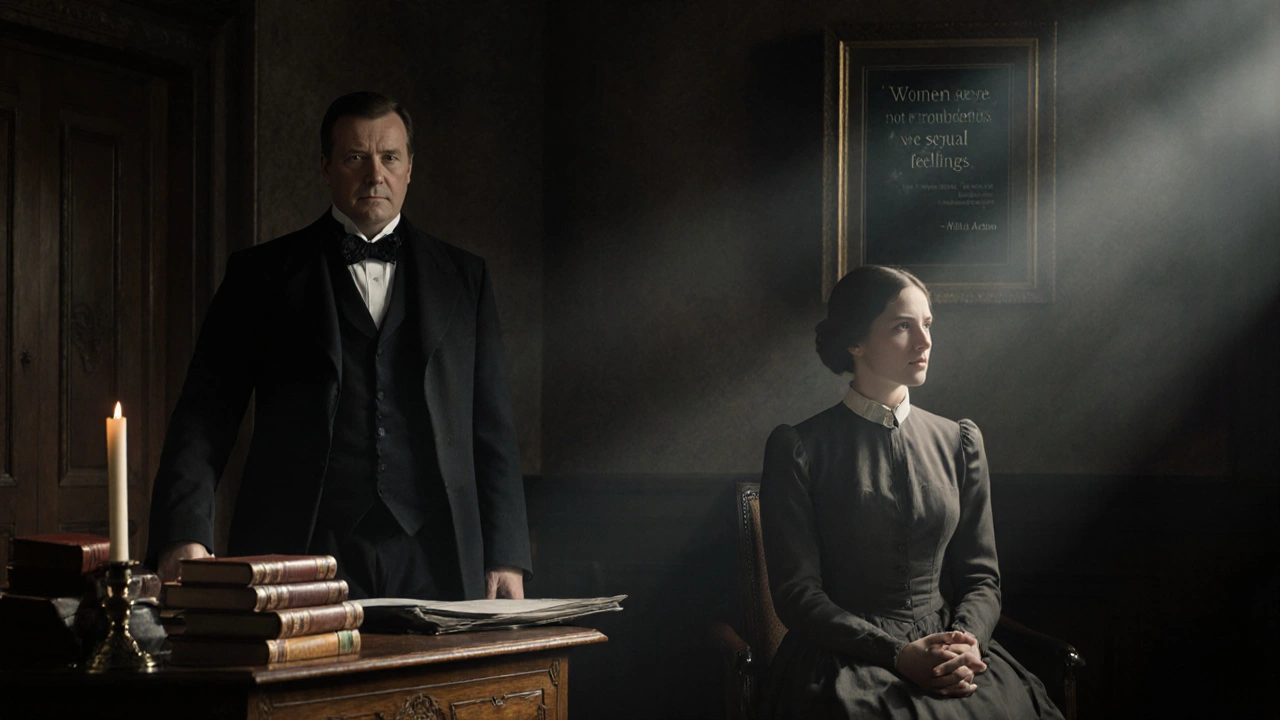
Havelock Ellis and William Acton: How Victorian Medicine Pathologized and Later Humanized Desire
Oct 31 2025 / History & CultureHavelock Ellis and William Acton shaped how Victorian medicine viewed desire-one pathologized it, the other studied it. Their clash laid the groundwork for modern sexology and continues to influence how we understand sexuality today.
VIEW MORE