Medieval Abortion Law: What Was Banned, Who Was Punished, and How It Shaped Reproductive Rights
When we talk about medieval abortion law, the legal and religious rules governing pregnancy termination in Europe between the 5th and 15th centuries. Also known as early church abortion doctrine, it wasn’t just about morality—it was about lineage, property, and control over women’s bodies. Unlike today’s debates centered on autonomy, medieval laws focused on when life began, who had the right to end a pregnancy, and whether the father or the Church held final say.
Church doctrine, the official teachings of the Christian Church during the Middle Ages that shaped legal and social norms around sexuality and reproduction didn’t always ban abortion outright. Early medieval theologians like St. Augustine believed the soul entered the body at quickening—around four months—so abortions before that were seen as less serious. But by the 12th century, the Church tightened its grip. The penitentials, handbooks used by priests to assign punishments for sins, including sexual and reproductive offenses listed fines, fasting, or public penance for women who induced miscarriages, regardless of motive. Men who pressured or paid for abortions faced similar penalties. This wasn’t about protecting life—it was about controlling women’s sexuality and ensuring legitimate heirs.
What’s often ignored is how common abortion was despite the risks. Women used herbs like pennyroyal, rue, and tansy—some toxic, some effective. Midwives, often the only people with medical knowledge, were quietly relied on. Legal records show prosecutions were rare unless the woman was poor, unmarried, or accused of adultery. Nobility? They got away with it. A noblewoman who lost a child before birth might be told it was God’s will. A peasant woman? She might be whipped.
The real legacy of medieval abortion law isn’t in the statutes—it’s in the silence. For centuries, abortion was hidden, whispered about, and erased from official history. But it never disappeared. The same power dynamics that punished women for controlling their bodies then are still at play today—in courtrooms, in politics, in the way we talk about reproductive choices.
What you’ll find below are articles that dig into the forgotten corners of sexual history—the laws, the myths, the resistance. From how medieval marriage contracts tied fertility to wealth, to how Victorian doctors turned female pleasure into a disease, to how modern laws still echo the same old fears. This isn’t just history. It’s the blueprint for today’s battles over who gets to decide.
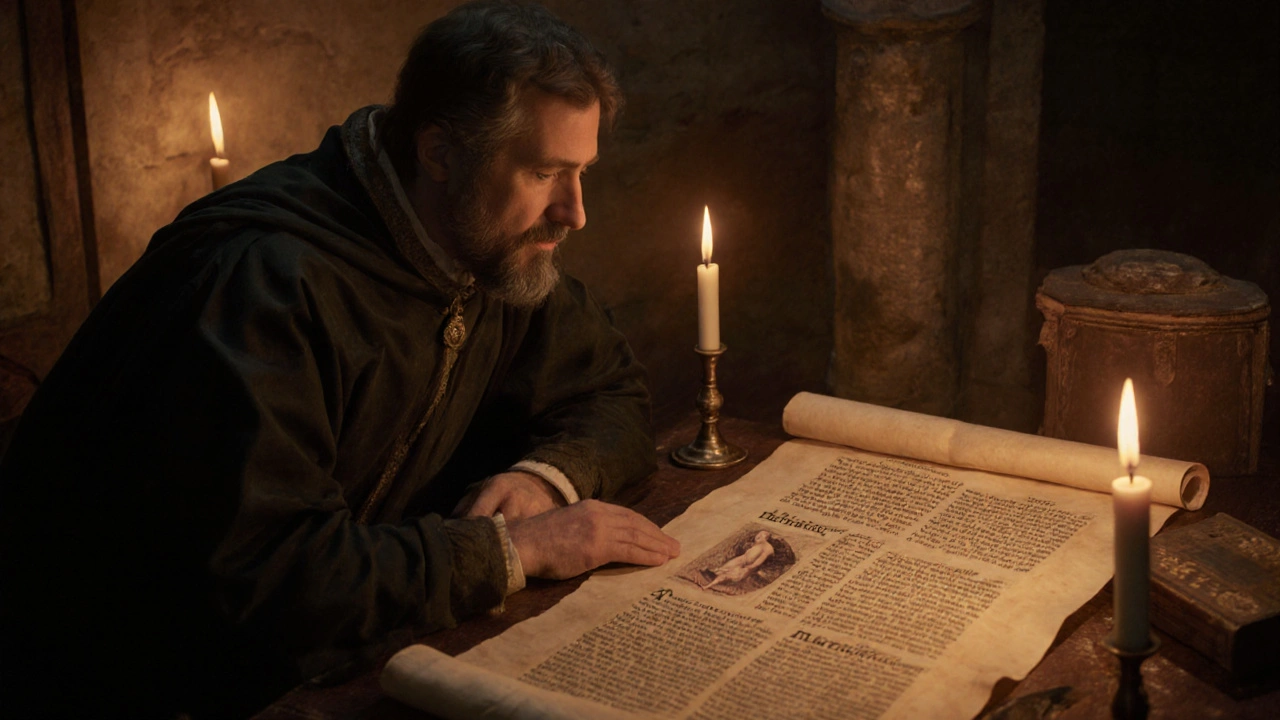
Henry de Bracton and the Real Medieval View on Abortion
Oct 29 2025 / History & CultureHenry de Bracton’s medieval view on abortion wasn’t about banning all abortions-it was about quickening, theology, and protecting male heirs. Modern claims that he supported total bans ignore the full legal context.
VIEW MORE