Medieval Brothels: The Hidden World of Sex, Law, and Survival in the Middle Ages
When you think of medieval brothels, regulated sex work establishments in Europe between the 12th and 15th centuries, often tolerated despite religious condemnation. Also known as stews, they were more than secret dens—they were legal businesses in many cities, licensed by town councils and taxed like any other trade. Contrary to popular myths, these weren’t just underground dens run by criminals. In places like London, Paris, and Southwark, brothels operated openly under city oversight. The Church preached against them, but local governments saw them as necessary evils—ways to control male sexuality, prevent rape, and keep unmarried men from disrupting public order.
Behind the scenes, prostitution history, the long-standing practice of exchanging sex for money across cultures and eras, often shaped by economic need and legal tolerance in medieval times was deeply tied to survival. Many women turned to sex work after losing husbands to war, famine, or plague. Others were daughters of poor families with no dowry, no inheritance, and no options. Some brothels were owned by widows or former sex workers who ran them as family businesses. Meanwhile, medieval law, the patchwork of local statutes, church decrees, and civic ordinances that governed daily life in medieval Europe didn’t ban brothels—it controlled them. Rules dictated where they could be located (usually outside city walls), who could work there (often excluding married women or nuns), and what hours they could operate. Clients had to pay fees, and brothel keepers had to register with authorities. Failure to comply meant fines, public shaming, or worse.
It wasn’t about morality—it was about order. Cities like Norwich and Cologne kept detailed records of brothel licenses, fines, and inspections. In 1390, the mayor of London fined a brothel keeper for letting a client enter after curfew. In 1425, a brothel in Bordeaux was shut down for serving wine to minors. These weren’t rogue operations—they were businesses operating under strict rules. And while the Church called sex work a sin, bishops sometimes accepted donations from brothel owners to fund hospitals or churches. The contradiction wasn’t hypocrisy—it was pragmatism.
What you won’t find in textbooks are the voices of the women who worked there. Their stories survive in court records, tax rolls, and occasional letters—not in sermons or chronicles. They weren’t all victims. Some saved money, bought property, or retired to run taverns. Others were trapped by debt, violence, or lack of alternatives. The medieval brothels weren’t just about sex—they were about power, money, and the quiet ways people survived when society offered them nothing else.
Below, you’ll find articles that dig into the real stories behind these spaces—how they shaped gender roles, how they were policed, and how their legacy still echoes in today’s debates over sex work, legality, and human dignity.
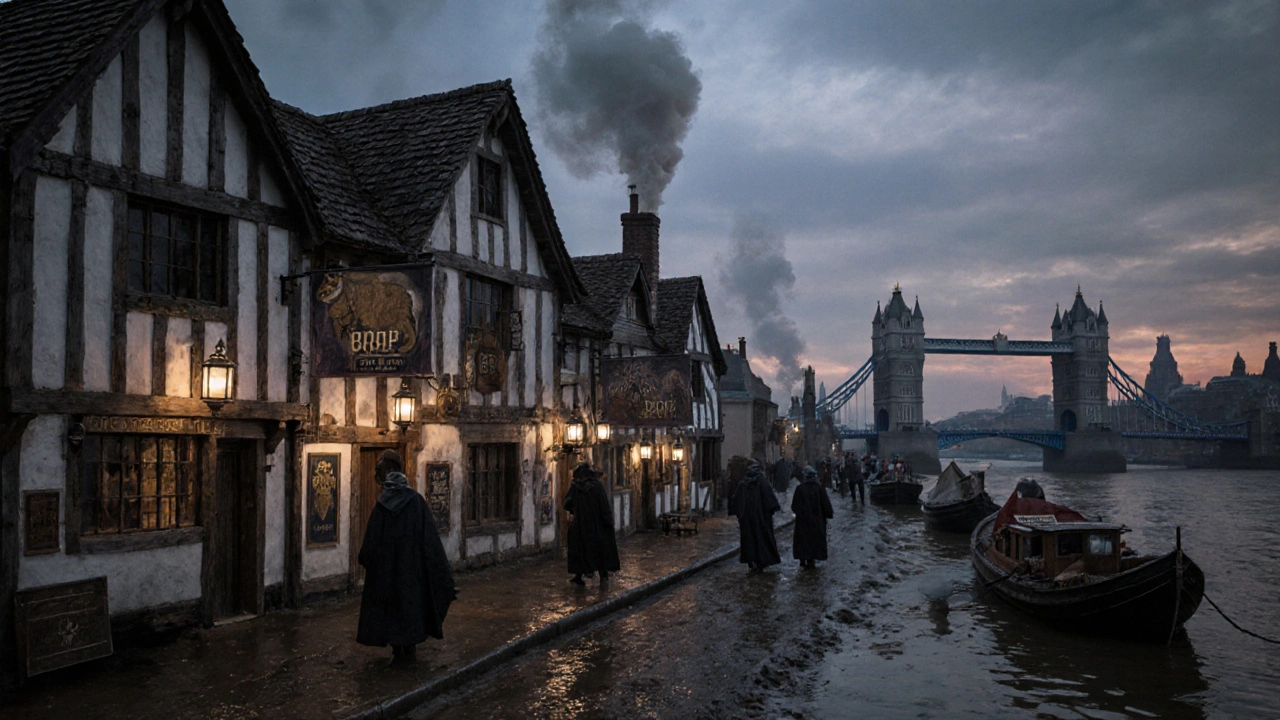
Medieval Brothels Beyond City Walls: How Cities Tolerated Sex Work
Oct 27 2025 / History & CultureMedieval cities didn't ban prostitution-they controlled it. Brothels outside city walls were licensed, taxed, and strategically placed near ports and gates. This system of tolerance lasted for centuries before religious reforms shut it down.
VIEW MORE