Medieval Marriage: Love, Power, and Sex in the Middle Ages
When we think of medieval marriage, a social contract rooted in economics, religion, and control rather than romantic love. Also known as arranged union, it was less about two people choosing each other and more about families securing alliances, land, and heirs. Forget fairy tales—this was a system where a girl as young as twelve could be legally betrothed, and her body became a bargaining chip between nobles. The Church didn’t just bless these unions—it designed them, policed them, and used them to build its own power.
One of the biggest tools the Church had? Controlling sexuality, how physical desire was framed as sinful unless tied to procreation within marriage. Also known as procreative sex, it was the only acceptable form of intimacy, and even then, only between a man and a woman who were legally bound. Women weren’t allowed to refuse sex to their husbands—not legally, not morally. Meanwhile, men could have mistresses, sleep with servants, or visit brothels without losing status. The double standard wasn’t just accepted—it was written into canon law. And if a woman was accused of adultery? She could be publicly shamed, fined, or worse. Her husband? Often walked away with his reputation intact.
The dowry system, a payment from the bride’s family to the groom’s, turning marriage into a financial transaction. Also known as bridal wealth, it determined who got married to whom, and often dictated how much control a woman had in her own home. A rich dowry could buy you a noble husband; a poor one meant a laborer or a monk. Marriage wasn’t just a personal choice—it was a class upgrade or a trap. And if you were a woman without a dowry? Your options were limited: become a nun, work until you dropped, or risk being labeled a prostitute.
Even love, when it showed up, had to sneak in. Courtly love poems were written by knights for noblewomen—always married to someone else. These weren’t affairs of the heart you could act on. They were fantasies, carefully coded, because real emotional bonds outside marriage were dangerous. The Church preached that marriage was sacred, but its rules made it feel like a prison for women and a game for men.
What you’ll find in the posts below isn’t just history—it’s the raw, messy truth behind how power shaped intimacy. From how widows fought to keep their property, to how priests secretly wrote about female desire, to how peasant couples found ways to resist the system—these stories reveal that even in the most controlled times, people still found ways to touch, to want, and to survive.
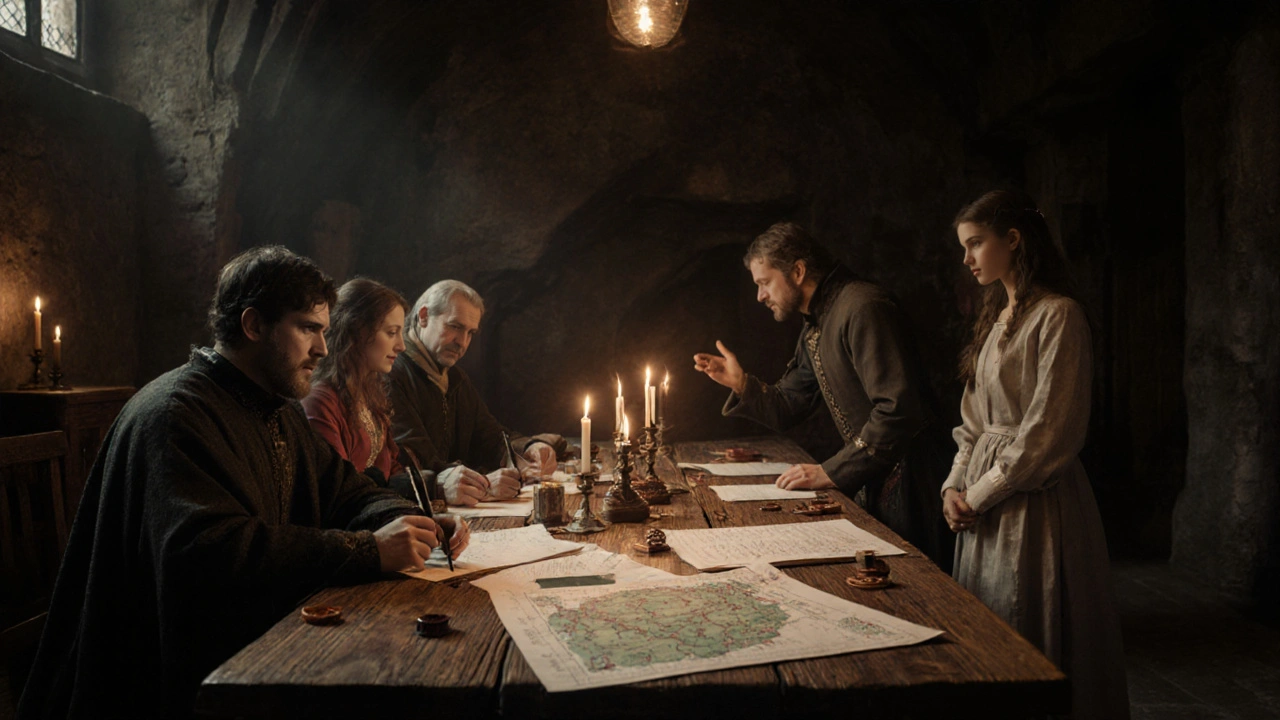
Marriage as Economic Alliance: How Medieval Families Used Unions to Build Wealth and Power
Oct 25 2025 / History & CultureMedieval marriages were economic contracts designed to transfer land, wealth, and power between families. Dowries and dowers ensured financial security, while alliances shaped politics. This system protected both men and women-and its legacy still shapes modern marriage laws.
VIEW MORE