Medieval Tolerance: How Sex, Power, and Religion Shaped Sexual Norms in the Middle Ages
When we talk about medieval tolerance, the limited acceptance of behaviors that deviated from religious or social norms during the Middle Ages. Also known as medieval sexual permissiveness, it wasn't about freedom—it was about who got to decide what was sinful, who got to punish it, and who got to profit from the silence. Most people assume the Middle Ages were a time of total repression, but the truth is messier. Tolerance existed, but only in gaps—between laws and enforcement, between doctrine and daily life, between the clergy’s sermons and the peasants’ whispered secrets.
medieval marriage, a legal and economic contract between families, not a romantic bond. Also known as dowry marriage, it was the backbone of social order. Women weren’t just brides—they were assets. A dowry secured land, a dower protected a widow’s survival, and an alliance between families could mean the difference between peace and war. Sex within marriage wasn’t just allowed—it was a duty, a tool, a transaction. But outside it? That’s where the real rules kicked in. The Church, the dominant moral and legal authority in medieval Europe. Also known as the Catholic Church, it dictated what was natural, what was heretical, and what deserved punishment. Masturbation? A sin. Homosexual acts? A crime. Pre-marital sex? A scandal. But here’s the twist: enforcement was patchy. Rural areas often ignored what the city priests preached. Prostitutes worked openly near monasteries. Bishops had mistresses. And when a man was caught with another man, the punishment often depended on his status, his money, or his connections.
Then there’s bisexual erasure, the historical pattern of ignoring or denying same-sex relationships that didn’t fit binary labels. Also known as sexual invisibility in medieval records, it wasn’t just modern bias—it was medieval survival. People didn’t have the words we use today, so they coded their lives. A woman living with another woman? "Close friends." A nobleman sharing a bed with his squire? "A matter of convenience." Archives were kept by monks who deleted what they didn’t understand. But clues remain—in court records, in poetry, in the way women were accused of witchcraft for having too much power over other women. This isn’t about modern identity—it’s about how power silences what it can’t control. And that’s the thread running through every post here: medieval tolerance wasn’t kindness. It was strategy. It was silence. It was the space between what was written and what was lived.
What you’ll find below aren’t just historical facts—they’re the hidden stories of people who loved, cheated, survived, and resisted in a world that claimed to know their souls. From the economic logic of marriage to the coded language of same-sex desire, from the medical myths about female pleasure to the way power turned sin into profit—you’ll see how the past isn’t gone. It’s still shaping how we talk about sex, shame, and who gets to be seen.
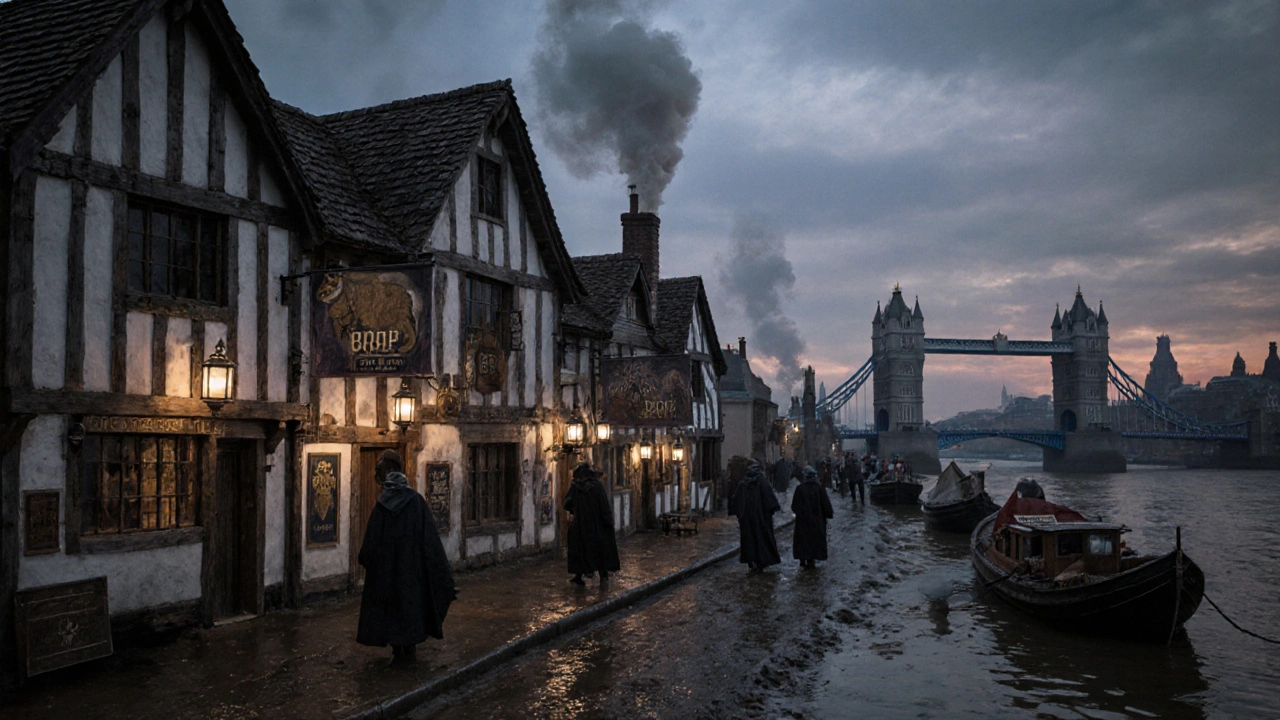
Medieval Brothels Beyond City Walls: How Cities Tolerated Sex Work
Oct 27 2025 / History & CultureMedieval cities didn't ban prostitution-they controlled it. Brothels outside city walls were licensed, taxed, and strategically placed near ports and gates. This system of tolerance lasted for centuries before religious reforms shut it down.
VIEW MORE