Men's Depression: How History, Silence, and Gender Roles Shape Male Mental Health
When we talk about men's depression, a hidden crisis shaped by cultural expectations, biological factors, and systemic silence. Also known as male depression, it doesn’t always look like sadness—it shows up as anger, isolation, substance use, or just complete withdrawal. And because society still tells men to "tough it out," millions suffer without ever saying they’re hurting. This isn’t just a personal struggle. It’s a legacy of how gender roles were built over centuries.
Think back to the Victorian separate spheres ideology, a system that locked men into being providers and protectors while women were confined to the home. Also known as public man, this idea didn’t just shape jobs or family life—it made emotional openness a weakness. Men weren’t supposed to cry, ask for help, or admit fear. That pressure didn’t vanish with corsets and top hats. It evolved into today’s silent epidemic: men are four times more likely to die by suicide than women, yet half of them won’t talk to a doctor about their feelings. Meanwhile, emotional suppression, the learned habit of burying pain to avoid shame or judgment. Also known as stoicism, it’s been passed down like a family heirloom—from fathers to sons, from schools to sports teams, from workplaces to war zones.
And it’s not just about upbringing. Medical history treated male emotional distress as moral failure, not illness. Victorian doctors called it "nervous exhaustion" or "brain fatigue," but rarely linked it to trauma or loss. Even today, mental health tools are often designed for how women express pain—through talking, journaling, or sharing. Men get told to "go for a run" or "fix it," not to sit with their feelings. The result? Depression in men is underdiagnosed, misunderstood, and often mistaken for laziness or arrogance. But the posts here don’t just point out the problem. They show how these patterns connect to deeper forces: how gender socialization, the way families and culture teach boys to hide vulnerability from infancy. Also known as boyhood conditioning, it sets the stage for lifelong silence. How sexual shame, the fear that admitting emotional need makes you less of a man. Also known as toxic masculinity, it keeps men from seeking connection—even when they’re starving for it. And how legal, medical, and social systems still treat male mental health as a secondary concern.
What you’ll find below isn’t just history. It’s the unspoken truth behind why so many men break quietly. You’ll read about how the same forces that silenced women’s pleasure, erased bisexual identities, and criminalized gay bars also made it dangerous for men to say, "I’m not okay." These articles don’t offer quick fixes. They offer clarity. And sometimes, that’s the first step toward healing.
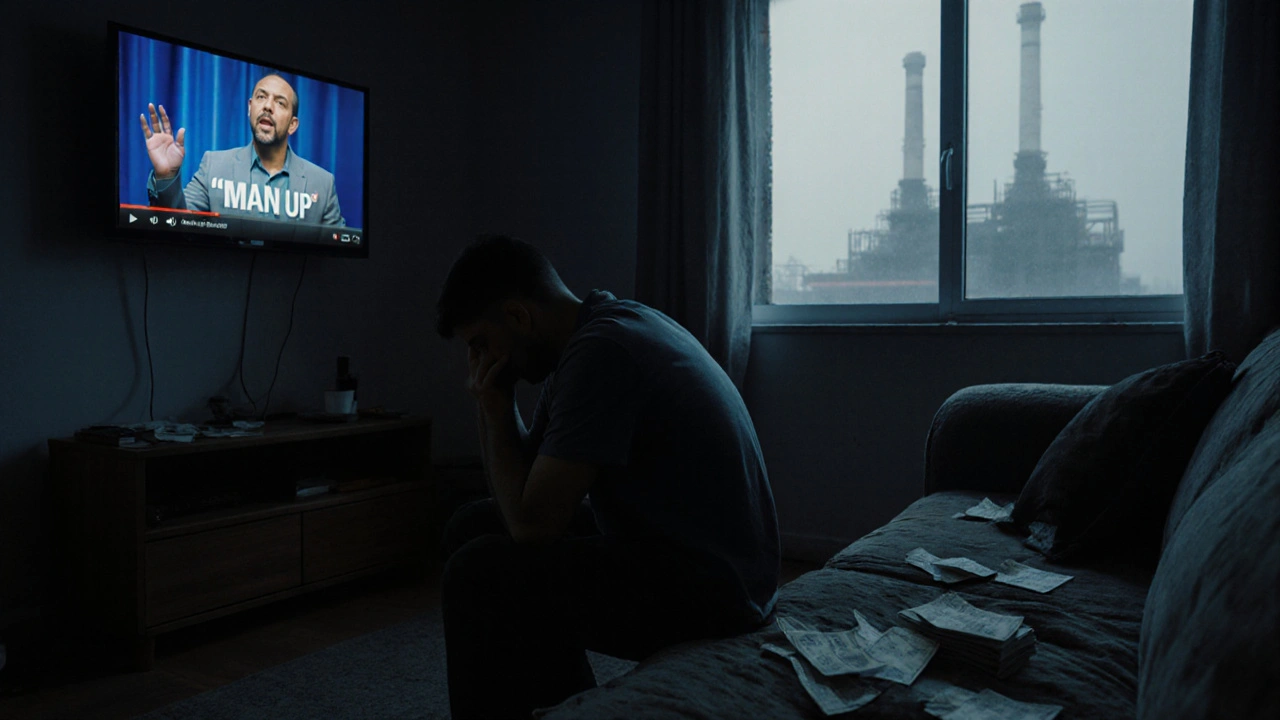
Masculinity in Crisis: How War, Depression, and Economic Shifts Are Reshaping Male Identity in America
Oct 23 2025 / History & CultureAmerican men are facing a silent crisis fueled by economic decline, social isolation, and outdated ideas of manhood. Suicide rates are soaring, friendships are vanishing, and young boys are falling behind. Here’s what’s really happening-and how real change is already taking root.
VIEW MORE