Meretrices: The Forgotten Women of Ancient Sex Work and Their Legacy
When we talk about meretrices, the officially recognized female sex workers of ancient Rome who operated outside the stigma of slavery. Also known as publicae, they were legally registered, taxed, and sometimes even owned property—unlike enslaved prostitutes, they had a defined social space, however narrow. These women weren’t hidden in shadows. They were part of the city’s economy, appearing in legal records, inscriptions, and even satirical poetry. Their existence challenges the myth that sex work is a modern problem—it’s as old as cities themselves.
The Roman brothel, a regulated business often marked by phallic symbols and located near baths or ports was where many meretrices worked, but not all. Some operated independently from rented rooms, advertised through graffiti, or served elite clients in private villas. Their clients ranged from soldiers and merchants to senators who paid in cash or favors. Unlike later Christian eras that labeled them as sinners, Romans saw them as a necessary part of urban life—regulated, but not morally condemned. This distinction matters: prostitution history, the long arc of how societies control, profit from, and punish sexual labor didn’t begin with Victorian shame. It started with taxes, tariffs, and temple rites.
What we know about meretrices comes from fragments: tombstones that call them "benevolent," legal codes that demand they wear distinctive clothing, and poems that mock their clients. But behind those fragments are real women—mothers, entrepreneurs, survivors—who navigated a world that gave them little power but demanded their labor. Their stories echo in modern debates about decriminalization, safety, and dignity. The female sexuality, how women’s desire, autonomy, and economic roles have been shaped by law and culture across centuries of ancient Rome didn’t vanish—it evolved. And if you want to understand today’s sex workers, you have to start with those who came before.
Below, you’ll find articles that trace how sex work, gender roles, and sexual control have shifted from ancient temples to digital platforms. From Etruscan tomb paintings to Victorian medical myths, these stories reveal one truth: the fight over who controls bodies—and pleasure—has never really ended.
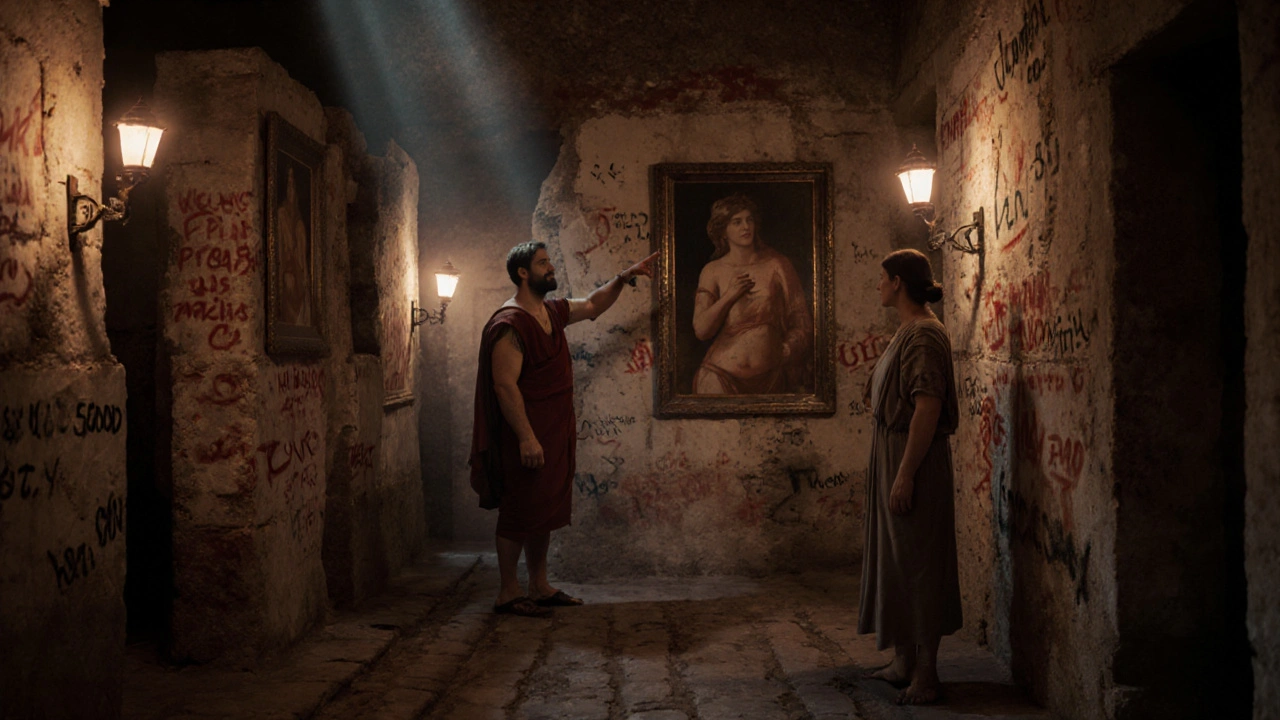
Roman Sex Work Categories: Meretrices, Lupae, and Tabernae Differentiation
Oct 28 2025 / History & CultureRoman sex work was legal, taxed, and strictly categorized. Meretrices were registered workers with limited rights, lupae were unregistered street workers with no protection, and tabernae were the brothels where it all happened. This system reflected Rome’s complex views on gender, class, and power.
VIEW MORE