Oldest Erotic Art: Ancient Origins and Cultural Meaning
When we think of the oldest erotic art, early visual expressions of human sexuality used in ritual, burial, or sacred spaces. Also known as ancient erotic art, it wasn’t created for shock or profit—it was part of how people understood life, death, and the gods. These images weren’t hidden away. They were carved into tombs, painted on walls, and etched into temple stones, meant to be seen, felt, and understood by the living and the dead.
Take the Etruscan funerary art, sexually explicit scenes found in ancient Italian tombs from 700–200 BCE. Also known as Etruscan tomb paintings, these weren’t decorations—they were spiritual guides. The Etruscans believed pleasure was sacred, and sexual acts in burial chambers helped the soul transition into the afterlife. Meanwhile, across the world in India, the Khajuraho temples, 10th-century Hindu temples covered in intricate carvings of couples in intimate poses. Also known as medieval Indian erotic sculpture, these weren’t random. They reflected tantric beliefs where sex was a path to enlightenment, not a sin. These aren’t outliers—they’re proof that ancient societies saw sexuality as deeply woven into spirituality, not separate from it.
What’s missing from modern views is how these images were never about pornography. They were about connection—to the body, to death, to the divine. The sexual symbolism, the use of erotic imagery to represent cosmic forces, fertility, or spiritual awakening. Also known as erotic iconography, it showed up in Egypt, Mesopotamia, and Minoan Crete, always tied to larger beliefs about existence. In ancient Egypt, pharaohs were linked to gods through sexual imagery. In Mesopotamia, temple prostitutes performed rites to honor fertility deities. Even in China, early Han Dynasty artifacts show couples in embrace, not as titillation, but as symbols of harmony and balance. These cultures didn’t shame desire. They honored it as part of the natural order.
Today, we often assume ancient people were repressed. But the truth is, they were more open—just in ways we’ve forgotten. The oldest erotic art reminds us that sex wasn’t always hidden behind doors or labeled as taboo. It was carved into stone, painted on walls, and passed down as sacred knowledge. What you’ll find in the posts below are deep dives into these forgotten worlds: how Etruscan tombs used sex to guide souls, how Tantra was never just about sex, and why Victorian doctors tried to erase what ancient civilizations held sacred. This isn’t just history. It’s a mirror.
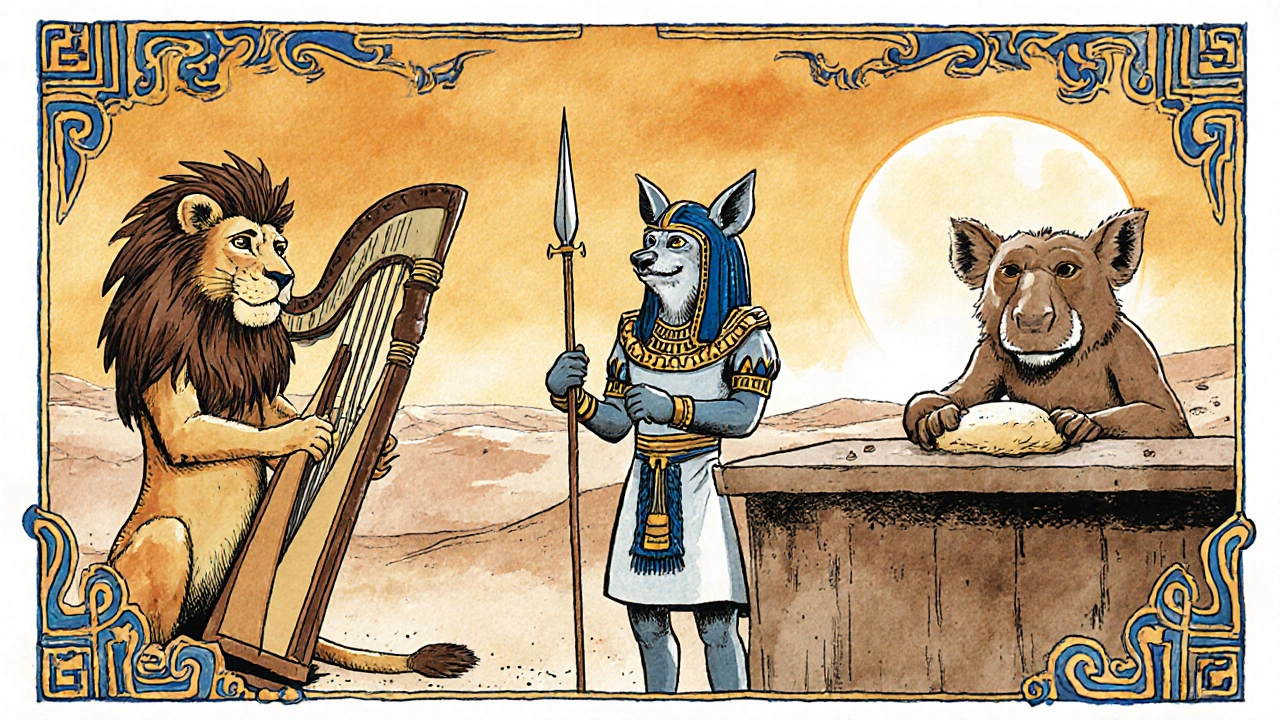
Egyptian Erotic Papyri: Comic Sex Scenes and Sacred Satire
Oct 31 2025 / History & CultureThe Turin Erotic Papyrus, created around 1150 BCE, is the oldest known explicit sexual artwork in human history. Far from being pornographic, it's a satirical comedy that reveals ancient Egyptians' open, humorous, and complex relationship with sex.
VIEW MORE