Ovid Ars Amatoria: Ancient Sex Advice and the Roots of Modern Erotica
When Ovid Ars Amatoria, a first-century Roman guide to seduction and love written by the poet Ovid. Also known as The Art of Love, it was once banned, then rediscovered as a revolutionary manual on desire, power, and manipulation. Ovid didn’t write about romance—he wrote about strategy. He told men how to pick up women in the Forum, how to win over married women, and how to keep them interested. He told women how to flirt, how to play hard to get, and how to outsmart jealous husbands. This wasn’t poetry for the gods—it was street-level advice for real people, written in sharp, witty Latin that still feels modern today.
What made Ovid dangerous wasn’t just the content—it was the tone. He treated love like a game with rules, not a divine mystery. That clashed hard with Augustus’s moral reforms, which tried to force Romans back into traditional family values. Ovid’s work mocked those rules. He didn’t condemn adultery—he explained how to do it well. His writing influenced centuries of erotic literature, from Renaissance sonnets to modern dating blogs. The idea that love can be learned, practiced, and perfected? That started here. And it’s not just about sex. Roman love poetry, a genre that blended personal desire with political satire became a mirror for social control. Meanwhile, ancient Roman sexuality, a system where status, gender, and power dictated who could desire whom shaped how later cultures viewed desire as something to be managed, not just felt.
Think about it: today’s dating apps, pickup artist forums, and even TikTok relationship hacks all echo Ovid’s playbook. He knew that attraction isn’t just chemistry—it’s timing, presentation, and knowing when to pull back. He understood that shame and desire live side by side. That’s why his work survived: not because it was pure romance, but because it was honest. It didn’t pretend love was noble. It showed how messy, clever, and human it really is.
Below, you’ll find articles that trace how Ovid’s ideas—about power, performance, and pleasure—echoed through history. From Victorian doctors labeling desire as illness, to feminist scholars reclaiming female agency, to the hidden eroticism in Etruscan tombs and Elizabethan poems, the legacy of Ars Amatoria never really went away. It just changed clothes.
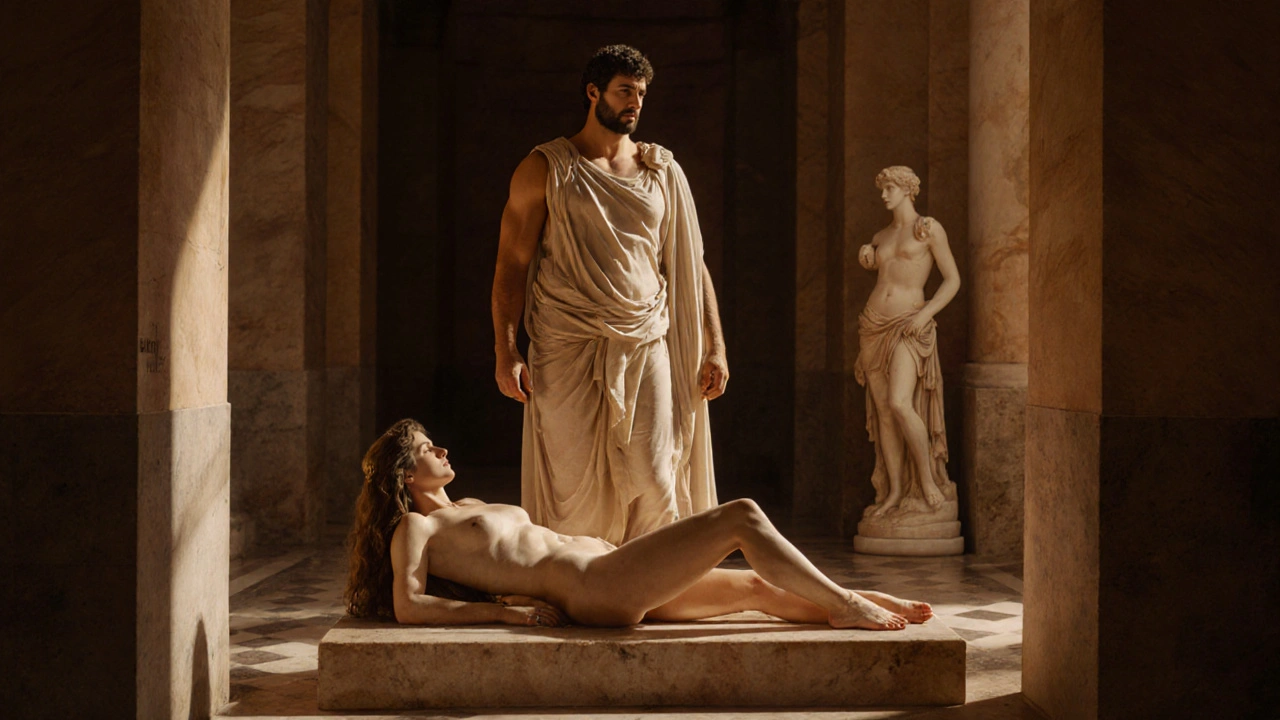
Sexual Positions and Technique in Roman Texts: Sources and Meanings
Nov 12 2025 / History & CultureAncient Roman sexual practices were governed by power, not pleasure. Texts and art reveal strict roles: men dominated, women submitted, and slaves had no rights. Positions, oral sex, and even female agency were shaped by hierarchy-not morality.
VIEW MORE