Pompeii Erotic Art: Ancient Sex, Sacred Symbols, and Hidden Stories
When you think of Pompeii erotic art, explicit wall paintings and carvings from the ancient Roman city buried by Mount Vesuvius in 79 AD. Also known as Roman erotic frescoes, it reveals a society where sex wasn’t hidden—it was woven into religion, home life, and even protection rituals. These weren’t just decorations for wealthy homes. They were talismans, prayers, and maps of desire—meant to bring luck, fertility, or ward off evil. Unlike today’s porn, which often isolates pleasure, Pompeii’s art tied sex to the divine, the domestic, and the afterlife.
Look closer, and you’ll see connections to other ancient cultures. The Etruscan funerary art, sexual scenes painted in tombs to guide souls into the afterlife didn’t shock—they comforted. Similarly, the Roman frescoes, vivid wall paintings found in homes, bathhouses, and temples across Pompeii and Herculaneum showed gods having sex, servants in intimate moments, and phallic symbols above doorways—not to shock, but to invite prosperity. These weren’t outliers. They were normal. And they weren’t just about lust. A painted satyr with a giant phallus wasn’t crude—it was a symbol of protection, like a modern doorstop. A couple in a bedroom scene? Likely a fertility blessing for the household. The art didn’t separate sex from life—it showed how deeply they were fused.
What makes Pompeii’s erotic art so powerful isn’t just what’s shown, but what’s missing. There’s no shame. No guilt. No moral panic. Women aren’t passive. Men aren’t always dominant. Sex is playful, messy, sometimes funny. It’s part of the same world as the kitchen, the garden, the shrine. This isn’t fantasy. It’s a snapshot of how a whole culture understood the body, pleasure, and death—all in one breath. You won’t find this kind of openness in Victorian drawings, medieval manuscripts, or even modern ads. And that’s why these images still matter. They remind us that sexuality doesn’t have to be hidden to be sacred.
Below, you’ll find articles that dig into the same ground—how ancient societies used sex to explain power, death, and identity. From Etruscan tomb paintings to Victorian myths about masturbation, these stories show how deeply culture shapes what we think about pleasure. Some of it shocks. Some of it comforts. All of it changes how you see the past—and maybe, your own life.
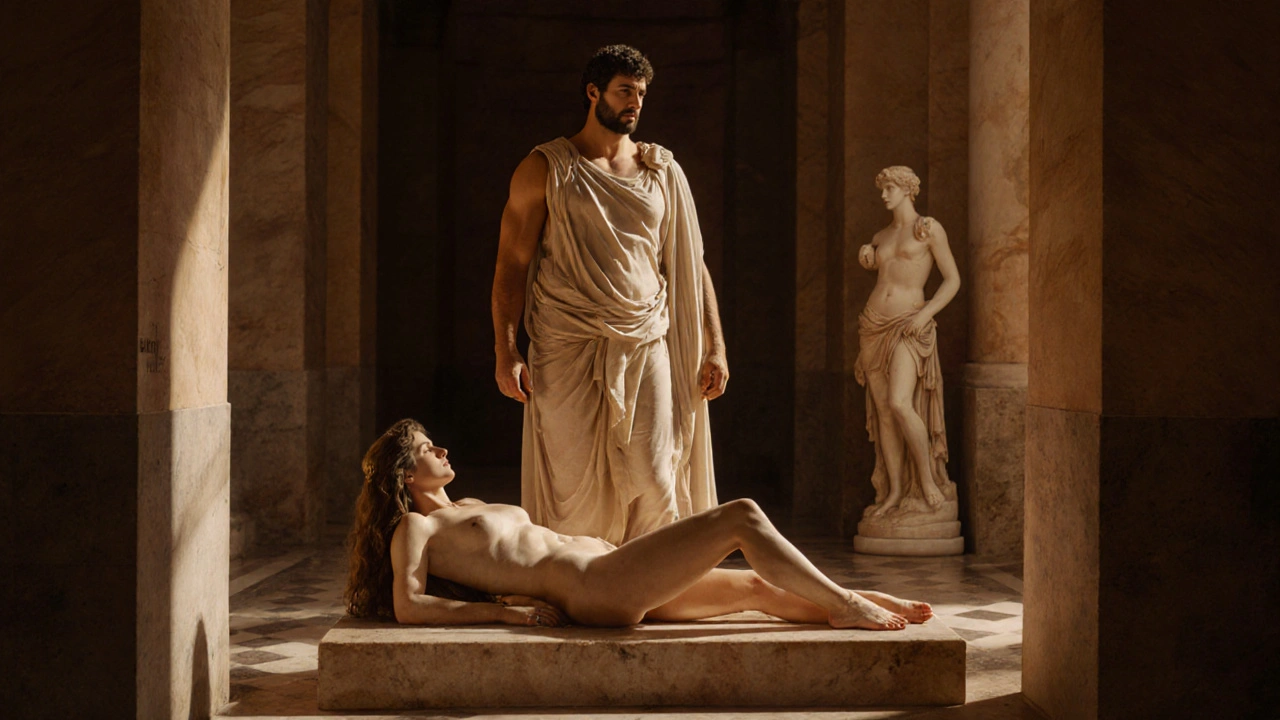
Sexual Positions and Technique in Roman Texts: Sources and Meanings
Nov 12 2025 / History & CultureAncient Roman sexual practices were governed by power, not pleasure. Texts and art reveal strict roles: men dominated, women submitted, and slaves had no rights. Positions, oral sex, and even female agency were shaped by hierarchy-not morality.
VIEW MORE